News & Insights
Tech, AI, science & Apple news curated by Jerry Cards. Unlocking US digital content worldwide since 2009.
Jul 1, 2026, 9:15 AM ETTech
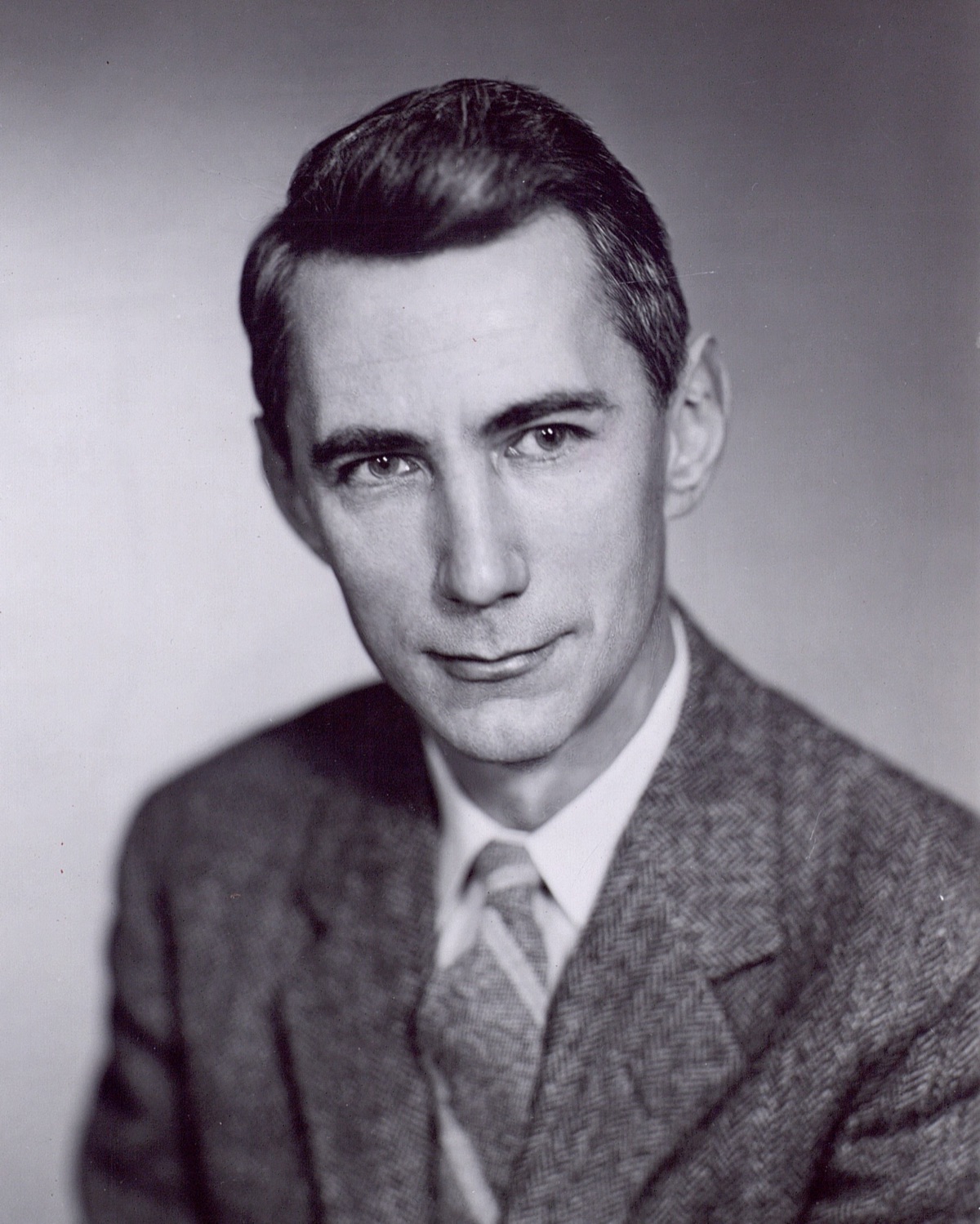
In July 1948, a 32-year-old Bell Labs engineer named Claude Shannon published a paper with a modest title - A Mathematical Theory of Communication - and quietly founded the field of information theory. In a few dozen pages he gave the world the bit as the universal unit of information, a formula (entropy) for measuring how much information a message carries, and the astonishing channel-capacity theorem: that any noisy channel has a speed limit below which you can transmit with virtually zero errors, if you encode cleverly enough. That single idea underpins nearly everything digital - data compression (ZIP, JPEG, MP3, streaming video), error-correcting codes (CDs, QR codes, Wi-Fi, 5G, SSDs, deep-space probes), and even the cross-entropy loss used to train today's AI. This is the story of what Shannon wrote, why it stunned his peers, and how a juggling, unicycle-riding tinkerer built the world we now live in.
Read more →
Jul 1, 2026, 5:25 AM ETHealth
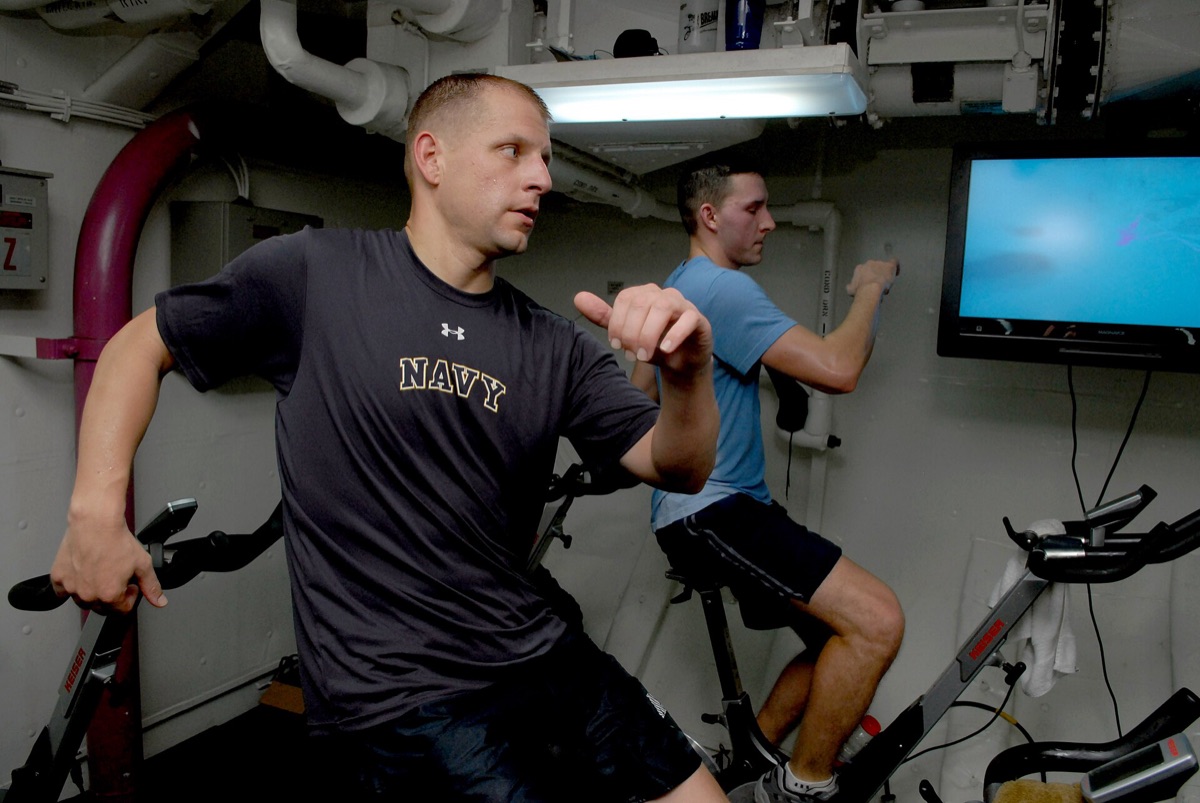
A 6-month University of the Sunshine Coast study of more than 120 healthy older adults (average age 72) compared three exercise intensities - high-intensity interval training (HIIT), moderate, and low - done three times a week in the gym. The headline result is quietly powerful: every intensity trimmed a modest amount of body fat, but only the HIIT group held on to their lean muscle. Moderate cardio cut fat too, yet came with a small dip in muscle; HIIT delivered the biggest drop in overall body-fat percentage while protecting the muscle that keeps us strong, steady, and metabolically healthy as we age. The likely reason: harder efforts put more stress on muscle, signaling the body to keep it. Published in Maturitas (DOI 10.1016/j.maturitas.2025.108763). Inside: what the three groups did, why preserving muscle matters so much after 60, the mechanism, what HIIT safely looks like for older adults, and the honest limits of the study.
Read more →
Jul 1, 2026, 12:17 AM ETTech
After years of watching Samsung, Google and OnePlus define the folding phone, Apple is reportedly about to join them. A wave of supply-chain reports in late June 2026 (led by Korea's The Elec, with coverage from AppleInsider and MacRumors) says Samsung Display has won Apple's approval to mass-produce the foldable OLED panel - clearing production yields above 80% - and that the hinge, long the main source of delay talk, is now largely resolved. Mass production is reported to begin in late July, with Foxconn assembling the first units, keeping the device on track for a September debut alongside the iPhone 18 Pro (per Bloomberg's Mark Gurman). Here is everything credible sources expect: a book-style design with a roughly 7.8-inch inner screen, a roughly 4.5mm-thin unfolded body, Touch ID in the side button, the biggest battery ever in an iPhone, and a price around 2,000 US dollars or more (analyst Ming-Chi Kuo) - plus an honest note on what is still unconfirmed. Everything here is reported or expected, not announced.
Read more →
Jun 30, 2026, 1:17 PM ETScience
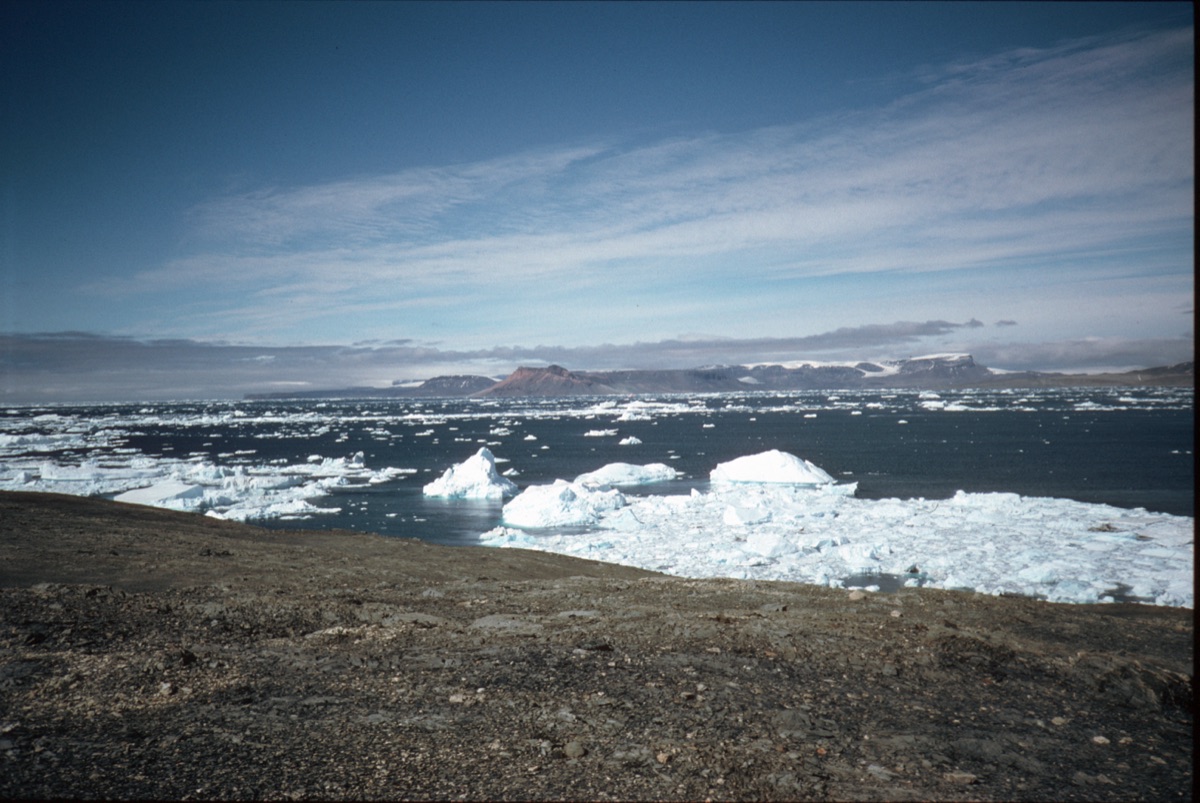
A single fossil tail bone, picked up on a British Antarctic Survey expedition to James Ross Island on 9 December 1985 and filed away as a 'vertebra of large reptile,' has finally been identified after 40 years in a museum drawer. Scientists confirm it belonged to a titanosaur - a long-necked, plant-eating sauropod - that lived about 82 million years ago, making it the first dinosaur bone ever collected from Antarctica and only the second sauropod fossil known from the entire continent. Back then the southern continent was no frozen desert but a lush temperate forest. Published June 2026 in Acta Palaeontologica Polonica by the British Antarctic Survey and the Natural History Museum, London. Inside: the drawer story, what the bone reveals about a warm, forested Antarctica, how a land animal ended up in marine rock, and what it tells us about how dinosaurs spread across the lost supercontinent of Gondwana.
Read more →
Jun 30, 2026, 5:17 AM ETScience
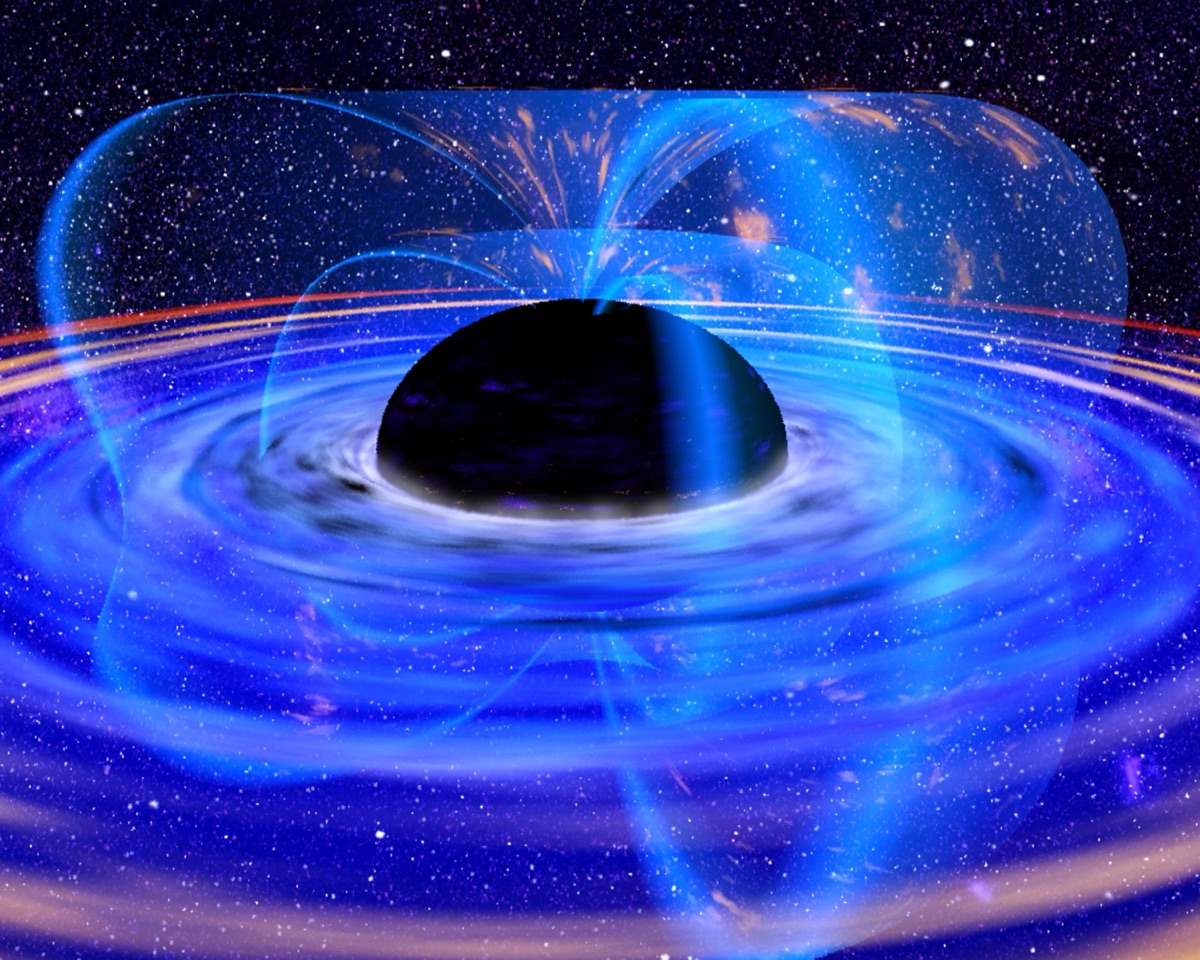
For decades the textbook ending for a heavy collapsing star has been a black hole: a singularity of infinite density wrapped in an event horizon. A new paper from Goethe University Frankfurt - by Master's student Daniel Jampolski and Event Horizon Telescope physicist Luciano Rezzolla - offers a different ending. Using only Einstein's general relativity (no exotic add-ons), they found the first dynamical solution showing how a star could collapse into a gravastar instead: as the matter crushes inward, a speck of dark-energy vacuum nucleates at the center with zero size and expands like a miniature Big Bang, slowing naturally near the Schwarzschild radius until it balances the infalling matter in a static equilibrium. The result is an object as massive and compact as a black hole - but with no singularity and no event horizon. Published as a Letter in Physical Review D (DOI 10.1103/c6lw-nx7k, June 11, 2026). The honest caveats: it needs finely tuned, idealized conditions, its long-term stability is unproven, and there is zero observational evidence that real black holes are secretly gravastars - the authors stress black holes remain the simplest, most natural answer. Inside: what a gravastar is, the Mazur-Mottola idea it builds on, exactly how the new mechanism works, and why it matters.
Read more →
Jun 30, 2026, 12:17 AM ETHealth

A USC Stem Cell-led team has found a way to grow a renewable, freezable supply of engineered immune cells - a step toward cheaper, off-the-shelf cancer cell therapy. Reporting in Cell (June 19, 2026), first author Shi Yue and senior author Qi-Long Ying, with Stanford's Ravi Majeti, showed that granulocyte-monocyte progenitors (GMPs) - committed blood cells that give rise to macrophages - can be coaxed to self-renew long-term in the lab, a property long thought to belong only to stem cells. The team armed the GMPs with a chimeric antigen receptor (CAR) to recognize tumors plus an extra signal that rallies the body's own T cells. In mice, the engineered cells slowed both blood cancers and solid tumors, worked better with both upgrades together, and - in a separate inherited immune disorder - restored infection-fighting ability. Because the cells engraft in the bone marrow and keep replenishing, and because the design tolerates donor-recipient mismatch, they point toward 'made once, given to many' therapies rather than today's bespoke CAR-T. The work is still preclinical.
Read more →
Jun 29, 2026, 1:17 PM ETScience
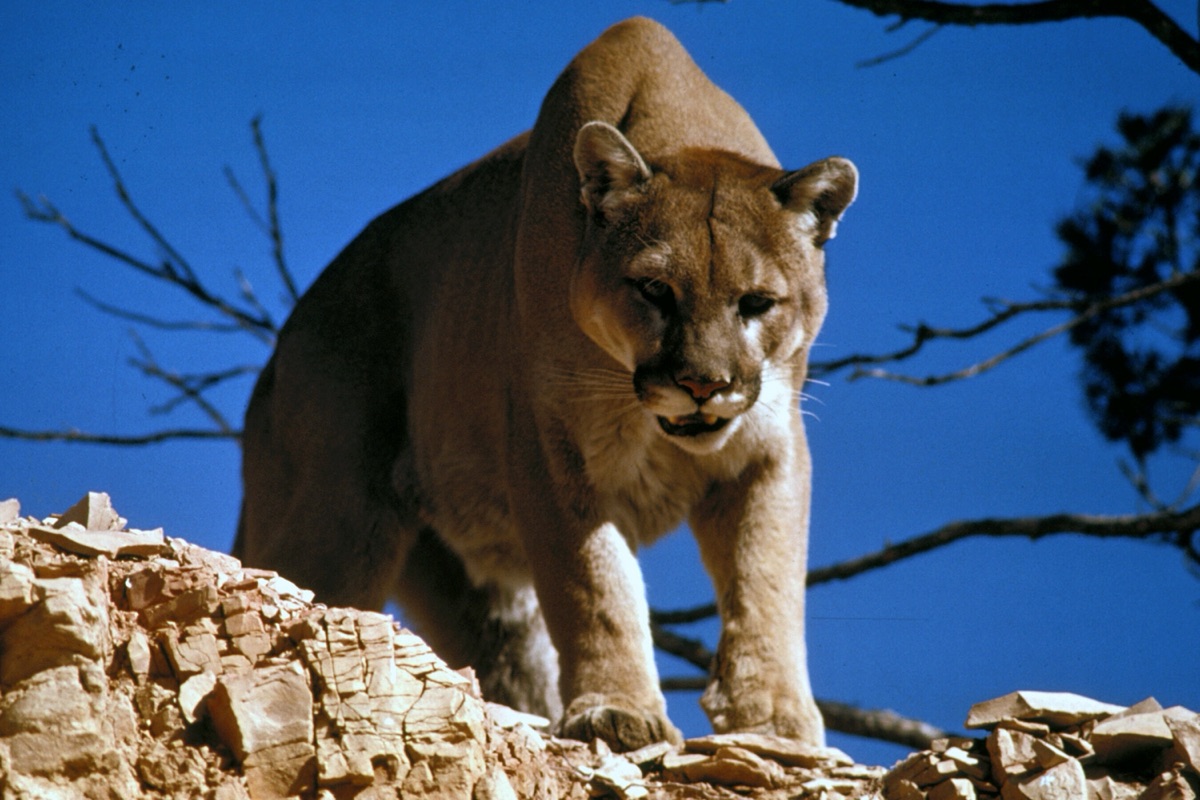
For decades, the textbook example of a trophic cascade - a top predator reshaping an entire ecosystem - was the gray wolf reintroduced to vast, remote Yellowstone. A new Stanford study in Ecology and Evolution suggests you do not need a wilderness. At Jasper Ridge, a 1,190-acre preserve wedged between Silicon Valley suburbs, mountain lion activity rose over a nine-year window of camera-trap monitoring. As the pumas grew more present, black-tailed deer eased their activity, coyotes and bobcats pulled back, prey and mid-size predators shifted away from the hours pumas hunt, and woody plants - young oaks among them - grew denser. The catch, which the authors lead with: the signal is real but preliminary, and the effects on foxes, rabbits and plants are still provisional. The deeper point is hopeful - apex predators can still do their ecological job inside small, human-dominated landscapes, as long as those patches stay connected to big wild country.
Read more →
Jun 29, 2026, 5:17 AM ETTech
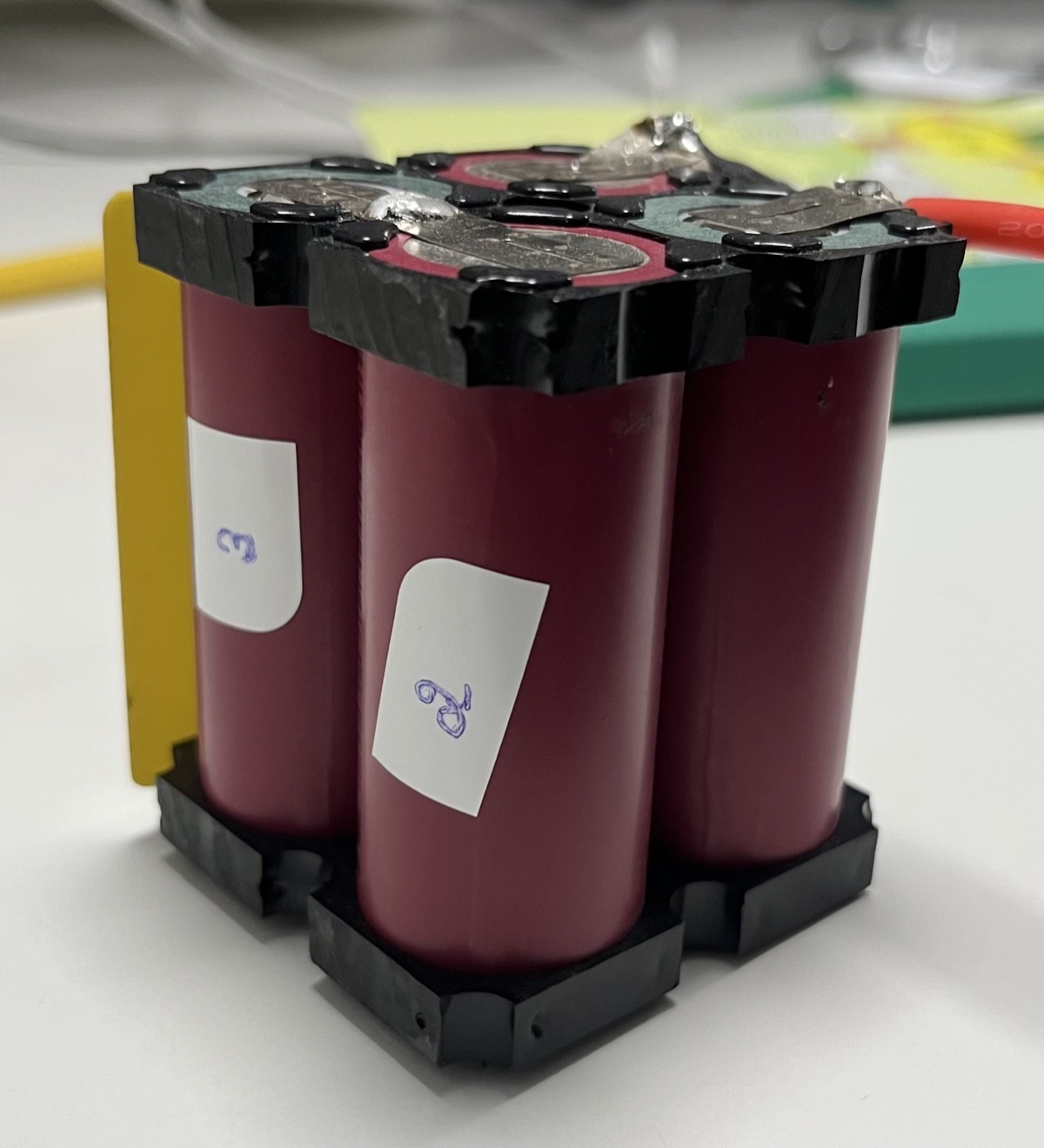
Engineers at Germany's RWTH Aachen University took apart a commercial sodium-ion battery from the Chinese maker Hina and ran it through the same lab gauntlet they use on the best lithium cells. The verdict, published in Cell Press' Cell Reports Physical Science: it matches Tesla-class manufacturing quality. Across 120 cells, internal resistance varied by just 5.3% - a sign of tightly controlled mass production - and the cell uses the same tabless, double-aluminum current-collector design Tesla pioneered with its 4680 cell, the first commercial sodium-ion battery to do so. It rivals top lithium cells on consistency and power, while sodium is hundreds of times more abundant than lithium, needs no cobalt or nickel, and can use cheap aluminum on both electrodes. The honest limits: it still trails lithium on energy density and on cold-weather charging. With CATL's Naxtra cells heading for mass production and the first sodium-powered passenger EV already on the road, the cheap, clean battery is quietly growing up.
Read more →
Jun 29, 2026, 12:17 AM ETScience
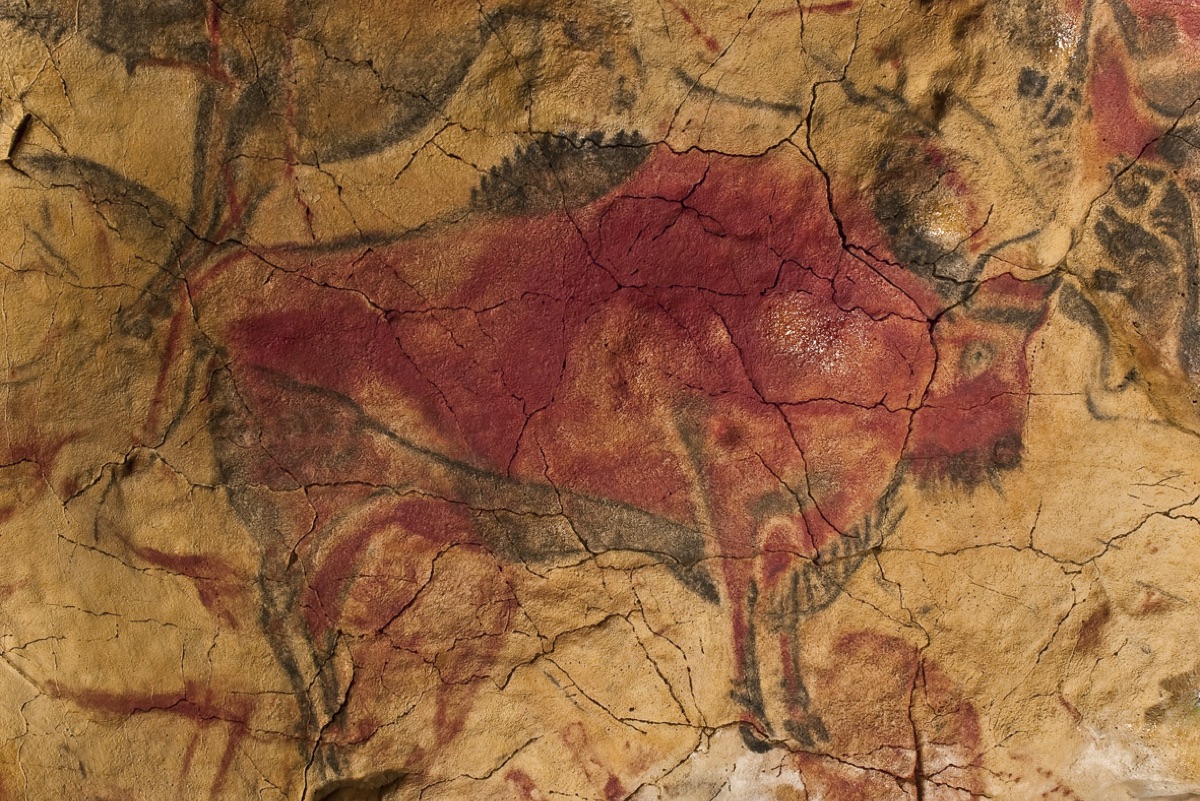
In a world first, researchers have pulled authentic ancient human DNA directly off the walls of decorated caves - no bones required. A team from the Max Planck Institute for Evolutionary Anthropology, working within the Spain-and-Portugal-led First Art project, sampled 54 spots across 24 rock-art panels in 11 caves on the Iberian Peninsula - including the famous painted ceilings of Altamira (Spain) and Escoural (Portugal). Five samples yielded genuine ancient human DNA at least 2,000 years old, and likely far older; two carried no animal DNA at all, pointing to DNA left directly by people - through saliva or breath - as they blew and rubbed pigment onto the stone. Enough nuclear DNA survived in two unpigmented samples from Covaron cave to place those individuals within the Western hunter-gatherer lineage of ancient Iberia, and the five traces split three female, one male, one undetermined. Published in Nature Communications, the work reframes cave walls themselves as genetic archives of who stood there - readable without ever disturbing a skeleton or a single brushstroke.
Read more →
Jun 28, 2026, 5:17 AM ETScience
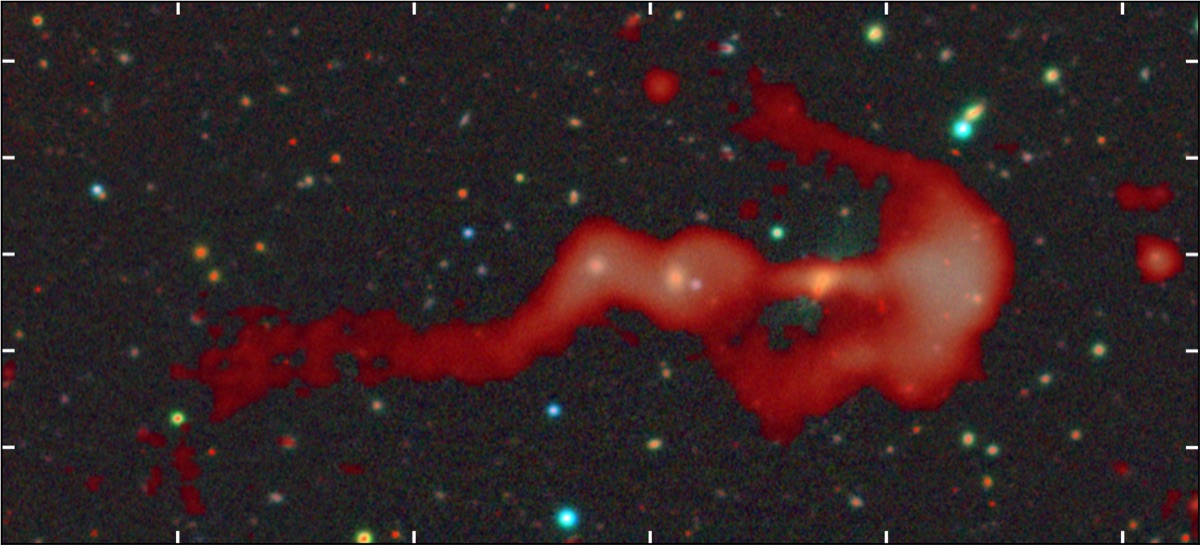
An astronomer of 25 years says he has never seen anything like it - and the person who found it was not at a great observatory, but a volunteer reviewing telescope images from a remote village in the Himalayas. Citizen scientist Pranim Limbo, working through India's RAD@home Astronomy Collaboratory, flagged a strange object in LOFAR radio-survey data that the team has named RAD-BAARG, the 'Bow-And-Arrow Radio Galaxy.' It is a galaxy whose supermassive black hole fires jets of plasma into space while the galaxy itself falls supersonically into a galaxy cluster - piling up the thin, hot gas between galaxies into a curved bow shock about 560 kiloparsecs (1.8 million light-years) across, lit up by the radio plasma. Bow shocks around infalling galaxies have been predicted for decades but are almost never seen directly because the gas is so faint. Here is what RAD-BAARG is, the physics of its cosmic sonic boom, how a citizen scientist found it, and what astronomers still want to confirm.
Read more →
Jun 28, 2026, 12:14 AM ETScience
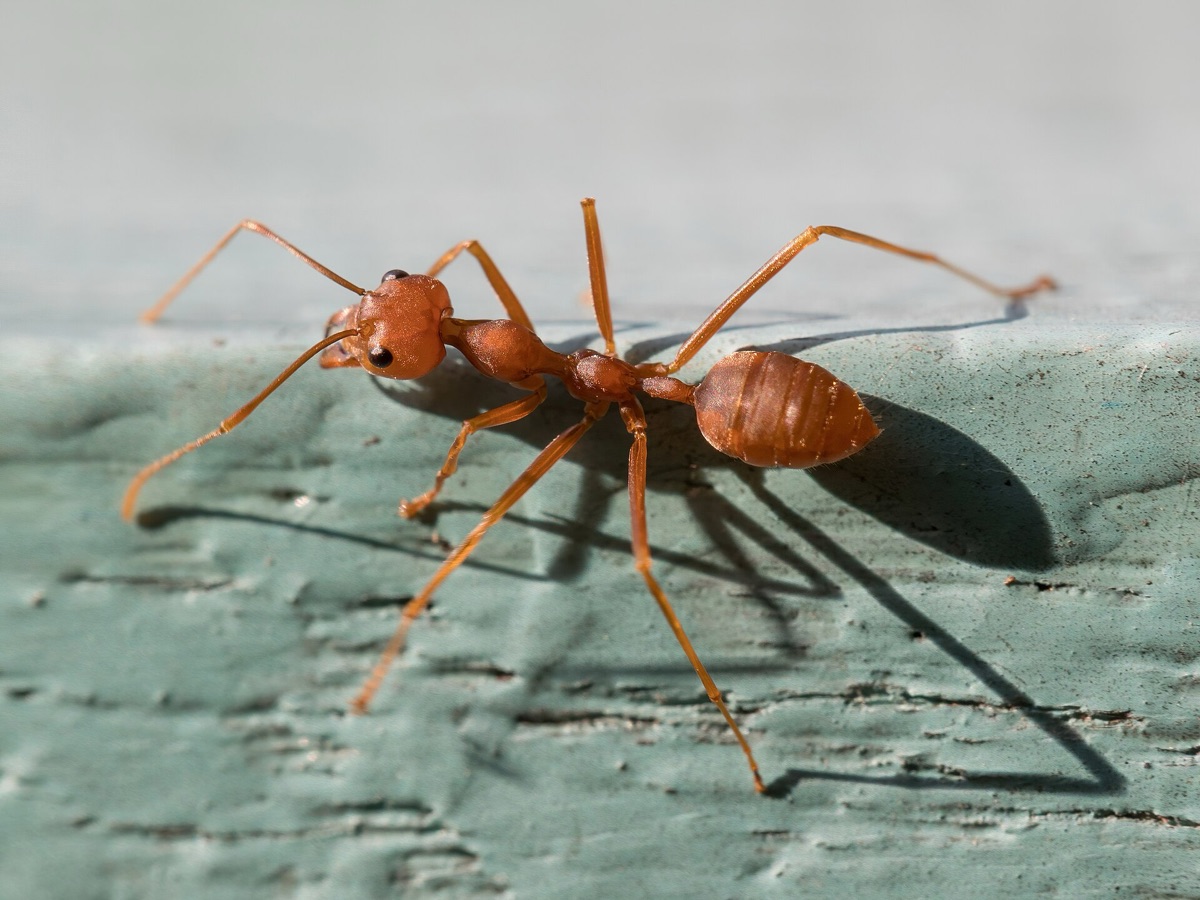
In the rainforests of northern Queensland, scientists have described a tiny new spider that does something no other spider is known to do: it builds a spring-loaded silk catapult and uses it to hunt a single species of prey. The as-yet-unnamed spider (genus Propostira) spends up to four hours spinning a cone of 15 to 60 silk tension lines near the ground, loading it like a drawn bow. When a green tree ant touches it, the snare fires in about 42 milliseconds, ripping the ant off the surface and flinging it some 28 to 30 centimeters up into the web - at an acceleration topping 1,300 meters per second squared, more than 130 times the force of gravity. Its peak power output dwarfs what muscle can produce and beats every spring-actuated spider web ever measured, including the famous slingshot spider. Researchers call its one-prey focus the ultimate specialization.
Read more →
Jun 27, 2026, 1:15 PM ETScience
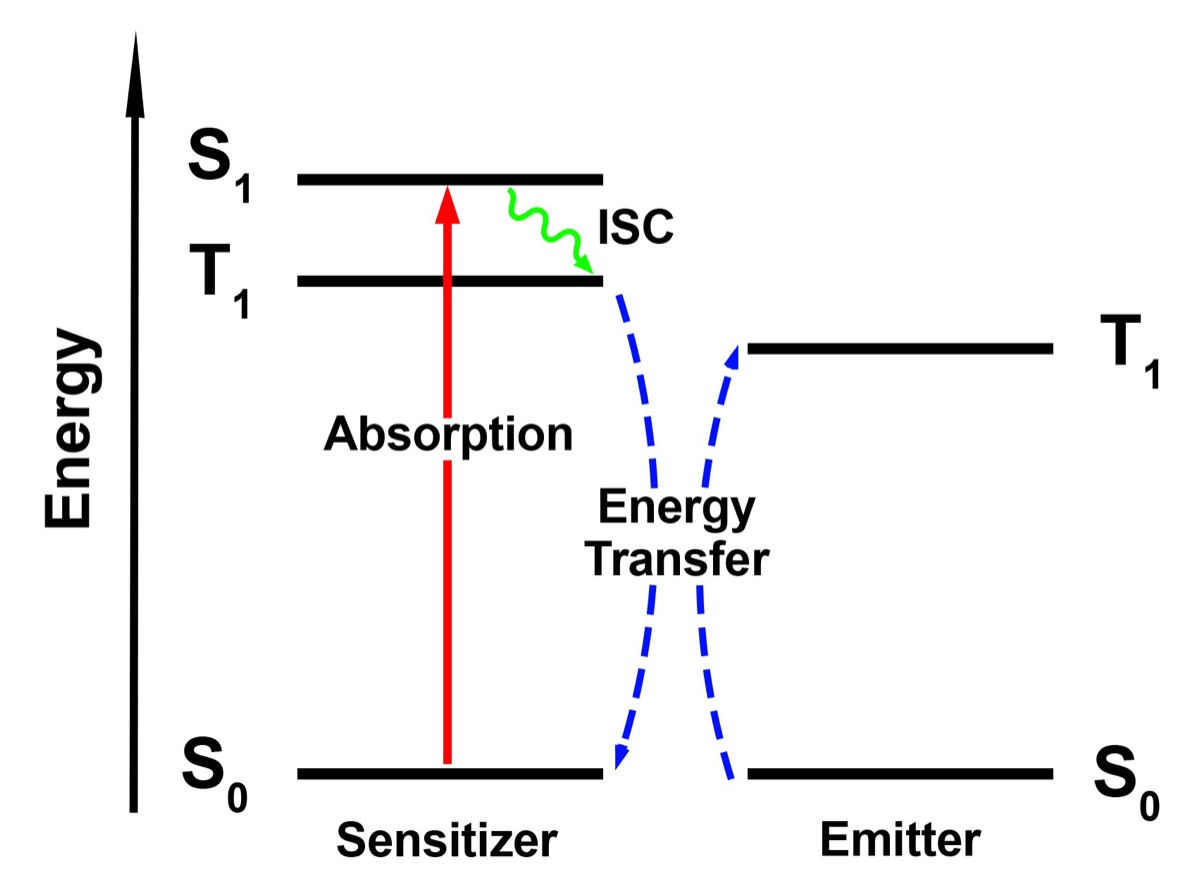
Chemists at Kyushu University have built a solid material that upgrades ordinary, low-energy visible sunlight into higher-energy ultraviolet (UV) light - no lasers or special lamps required. It works by fusing the energy of two visible-light photons into one UV photon, a trick called triplet-triplet annihilation upconversion that had long worked well in liquids but kept fizzling out in solids. The team's fix was elegant: hang small alkyl chains off the molecule (dihydroindenoindenedene, DHI) so neighboring molecules sit at exactly the right distance - close enough to pass energy, far enough not to quench it. The result is a solid-state fluorescence quantum yield above 60% and a 1.9% visible-to-UV conversion efficiency that runs at plain sunlight intensity, where most solid materials fail outright. Published in Nature Communications on June 23, 2026, it caps 14 years of work - and landed as a retirement gift for the field's pioneer.
Read more →

 العربية
 Español
 中文
中文 Deutsch
 Français
 Português