News & Insights
Tech, AI, science & Apple news curated by Jerry Cards. Unlocking US digital content worldwide since 2009.
Jul 7, 2026, 5:14 AM ETApple
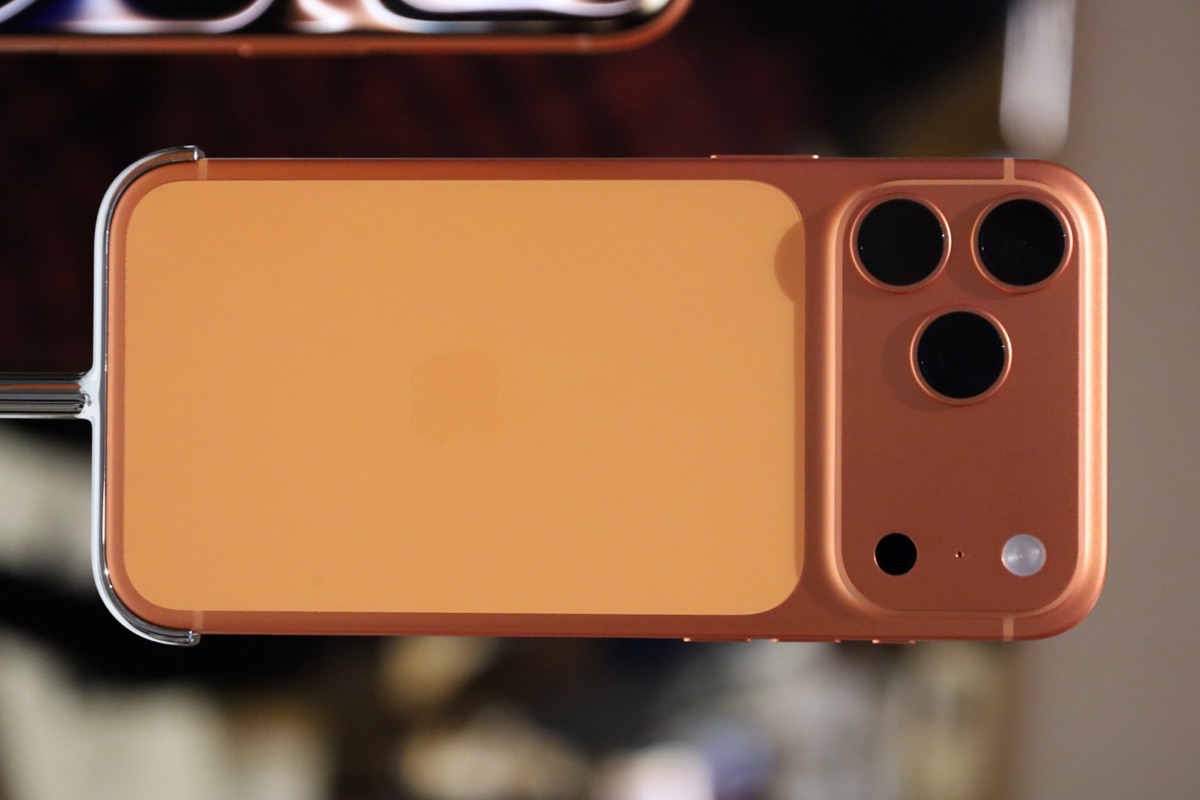
On July 4, 2026, the United States buried America's Time Capsule at Independence National Historical Park in Philadelphia, not to be reopened until 2276 - the nation's 500th birthday. Chosen to represent the cutting edge of American technology in 2026: a Cosmic Orange iPhone 17 Pro Max, included through America250's America Innovates initiative and loaded with digital artifacts in its Notes app as a window into everyday life today. The device sits inside a 900-pound precision-milled stainless steel cylinder sealed with a soft indium gasket and shielded by an 1,100-pound bell jar - engineered with NIST and Library of Congress preservation scientists to survive two and a half centuries underground. Here is the full story: why an iPhone was picked as the emblem of the era, what else made the cut (a DNA data archive, Old Abe's feather, Wright brothers fabric, and an AI note from Anthropic's Claude), and how you build a box meant to outlast 10 generations.
Read more →
Jul 7, 2026, 12:29 AM ETScience
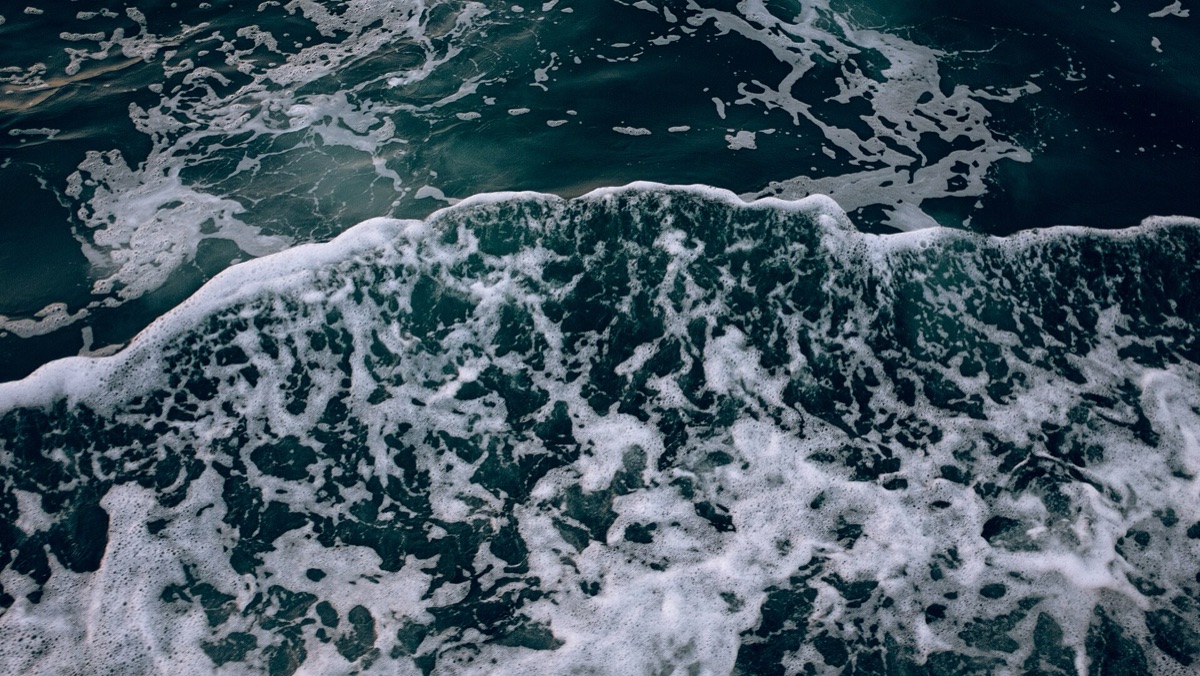
Most desalination has a dirty secret: for every drop of fresh water it makes, it spits a gush of super-salty, chemical-laden brine back into the sea, where it can suffocate marine life. Physicists at the University of Rochester have built a solar device that skips the brine entirely. Their panel is a sheet of laser-etched black metal that soaks up nearly all the sunlight that hits it and wicks a paper-thin film of seawater across its surface. The water evaporates as clean vapor; the leftover salts are shepherded off to the edges - using the same coffee-ring effect that leaves a stain when a coffee drop dries - and collected as dry solids rather than toxic liquid. The team ran it on real water from the Pacific, Atlantic and Indian Oceans, capturing essentially all the salt as solids with no chemical additives - so-called zero liquid discharge. In a companion study, the same panels, seeded with tiny hydrogen-titanate particles, pulled about half of the lithium out of Great Salt Lake brine - turning a waste stream into a source of the metal that powers batteries. It is early, lab-scale work, but it points at cheap, sunlight-powered fresh water for a world where 2.2 billion people still lack safely managed drinking water. (Light: Science & Applications and Journal of Materials Chemistry A, May 2026.)
Read more →
Jul 6, 2026, 1:18 PM ETScience
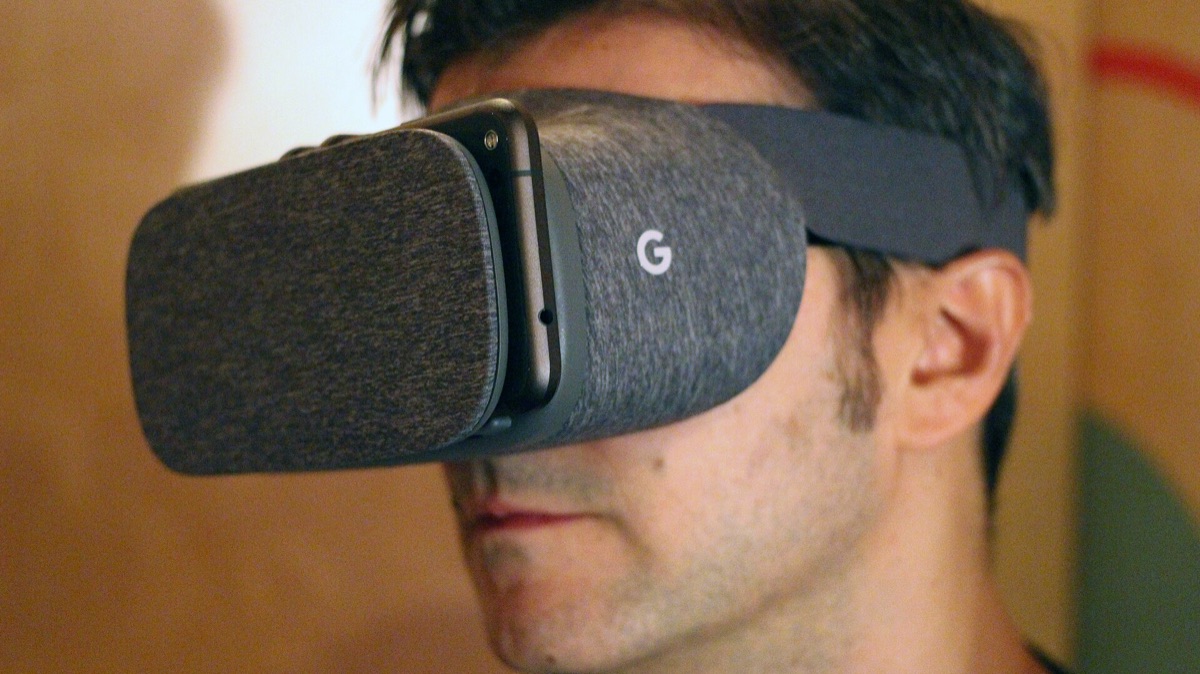
In a Beijing lab, 25 volunteers spent a week learning to fly in virtual reality - looking into a virtual mirror to see themselves as bird-like figures with big feathered wings where their arms should be, then flapping to stay aloft, steering through floating rings, and swatting falling balls out of the air. When researchers scanned their brains before and after, the body-part detectors in the visual cortex had rewired: they responded more strongly to images of wings, and their activity pattern for wings had shifted to look more like the pattern for human arms - with tighter links to the movement and touch systems. It is vivid evidence that the brain's inner map of the body is far more flexible than assumed - flexible enough to begin folding in a limb no human has ever had. The honest catch: the wings did not fully become arms, and nobody gained a working new body part. But the same plasticity, the team argues, could one day help people embody advanced prosthetics and robotic limbs. (Cell Reports, May 2026.)
Read more →
Jul 6, 2026, 9:16 AM ETScience
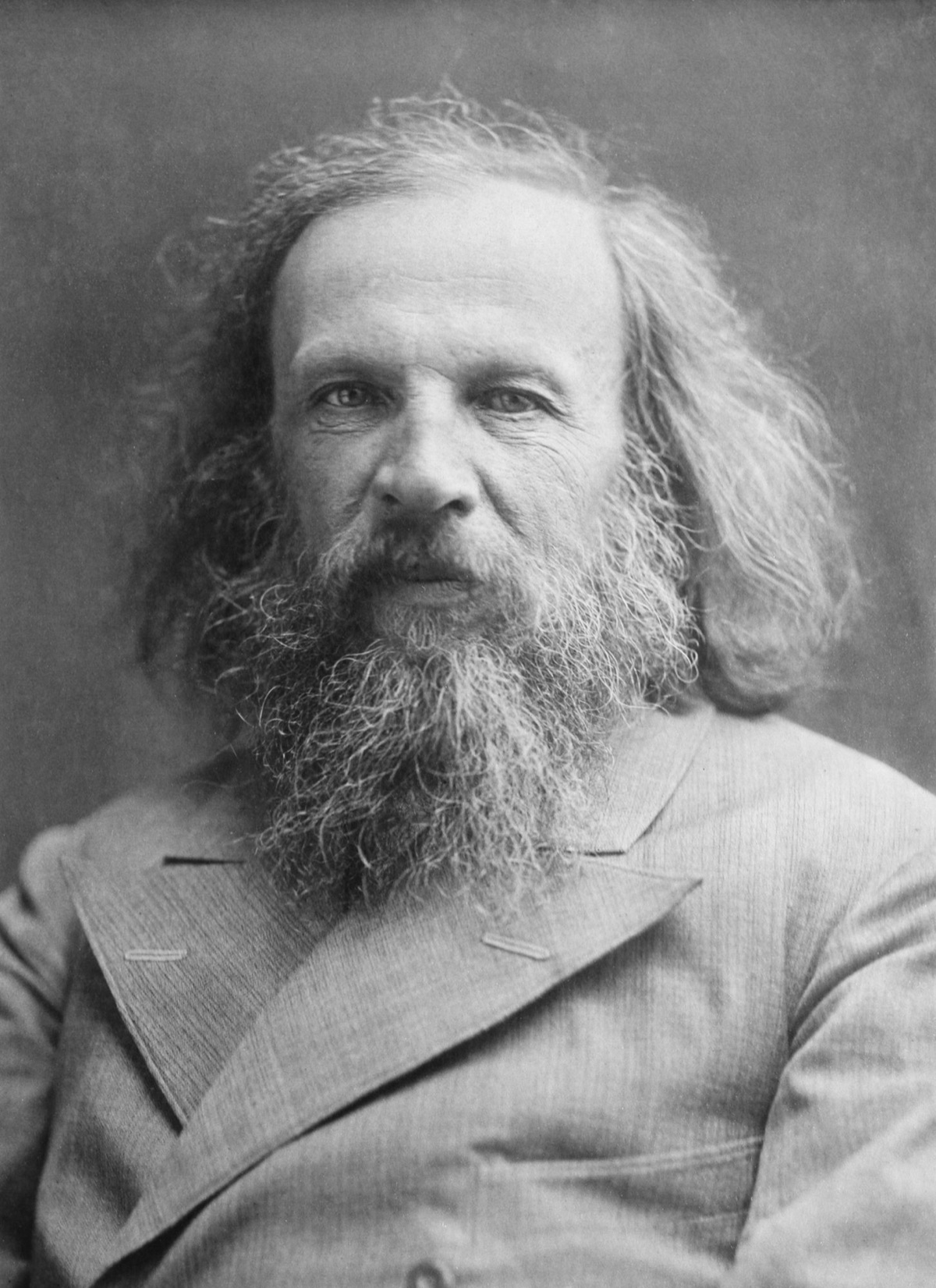
In 1869 a Russian chemist named Dmitri Mendeleev laid out the 63 known chemical elements on a single sheet, ordered by atomic weight - and noticed their properties repeated in a regular rhythm. That was the periodic law. But the genius stroke was what he did with the gaps: rather than force the pattern, he left blank squares for elements that had never been observed, and boldly predicted their weights, densities and chemistry. Within 17 years all three of his headline predictions came true - gallium (1875), scandium (1879) and germanium (1886) - with properties astonishingly close to the numbers he had written down. Chemistry stopped being a catalogue of substances and became a science that could predict. This is a tribute to the most famous chart in science: how it was built, the elements it foretold, how the noble gases and atomic number later slotted perfectly into place, and why it still hangs on every classroom wall.
Read more →
Jul 6, 2026, 5:15 AM ETScience
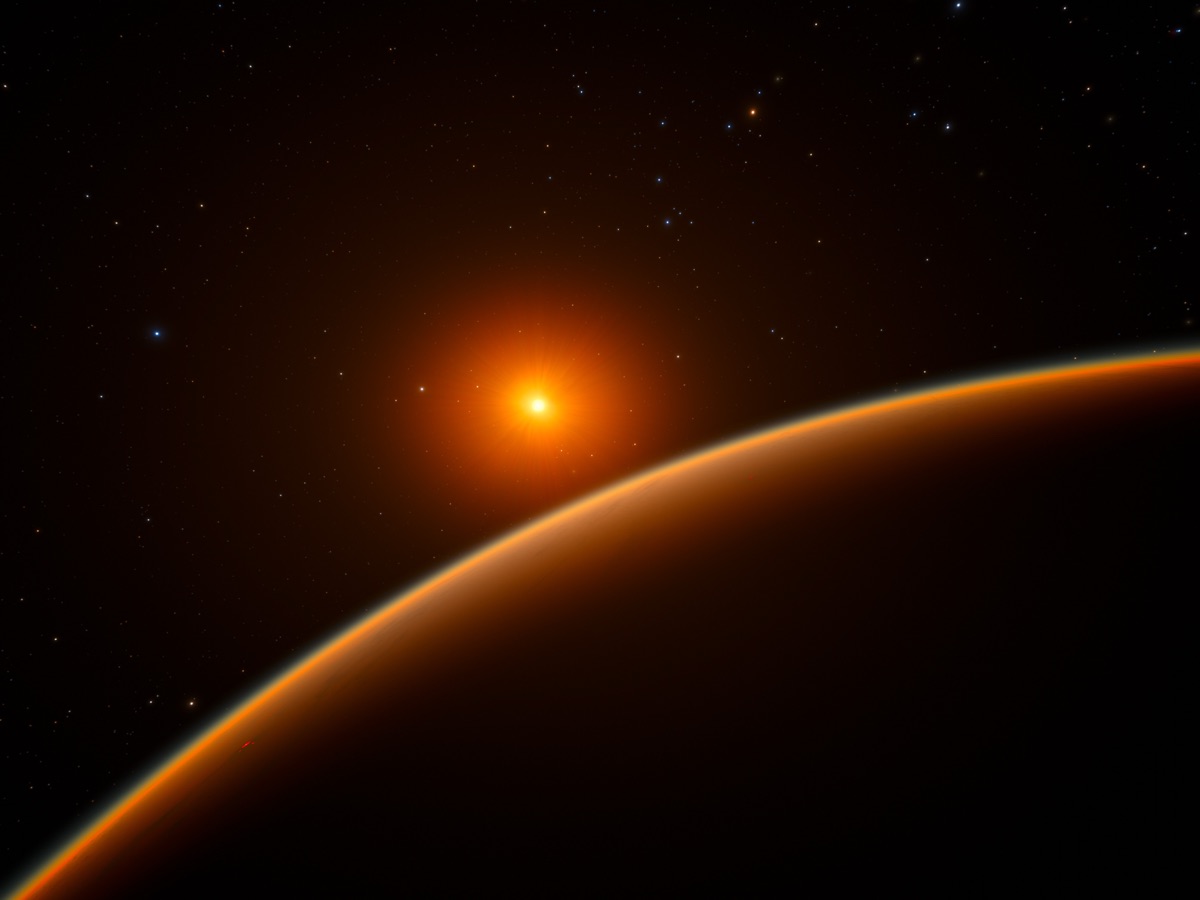
Astronomers have sharpened the portrait of GJ 3378 b (Gliese 3378 b), a super-Earth orbiting a small red dwarf star only about 25 light-years away in the constellation Camelopardalis. Fresh radial-velocity data from the Habitable-zone Planet Finder and the NEID spectrometer revised the planet down from roughly 5 Earth masses to about 2.3, tightened its orbit to 21.45 days, and placed it more squarely inside its star's habitable zone - where it soaks up about 90% of the starlight Earth receives from the Sun. Lead author Paul Robertson (UC Irvine) calls it a next-door neighbor on galactic scales. The big open question, honestly stated: no one yet knows whether it holds onto an atmosphere - and without one, there is no liquid water. Published in The Astrophysical Journal (DOI 10.3847/1538-4357/ae732b).
Read more →
Jul 6, 2026, 12:20 AM ETTech

Global startups raised a record $510 billion in the first half of 2026 - more than the $440 billion invested in all of 2025, and the largest half-year for startup investment ever recorded, according to Crunchbase (July 2, 2026). Investors poured $305 billion into companies in Q1 (the biggest quarter on record) and $205 billion in Q2 (the second biggest). The engine is unmistakable: AI drew about 80% of all venture dollars in Q1 and more than 70% in Q2, up from roughly half a year earlier. Two companies alone - OpenAI and Anthropic - accounted for $217 billion, or 43% of every startup dollar. And the money is flowing back out too: the strongest exit market since the 2021 boom, headlined by SpaceX's record $75 billion IPO and its $60 billion deal for Cursor-maker Anysphere. Here are the numbers, why it is happening, and the one honest question underneath the record.
Read more →
Jul 5, 2026, 1:17 PM ETScience
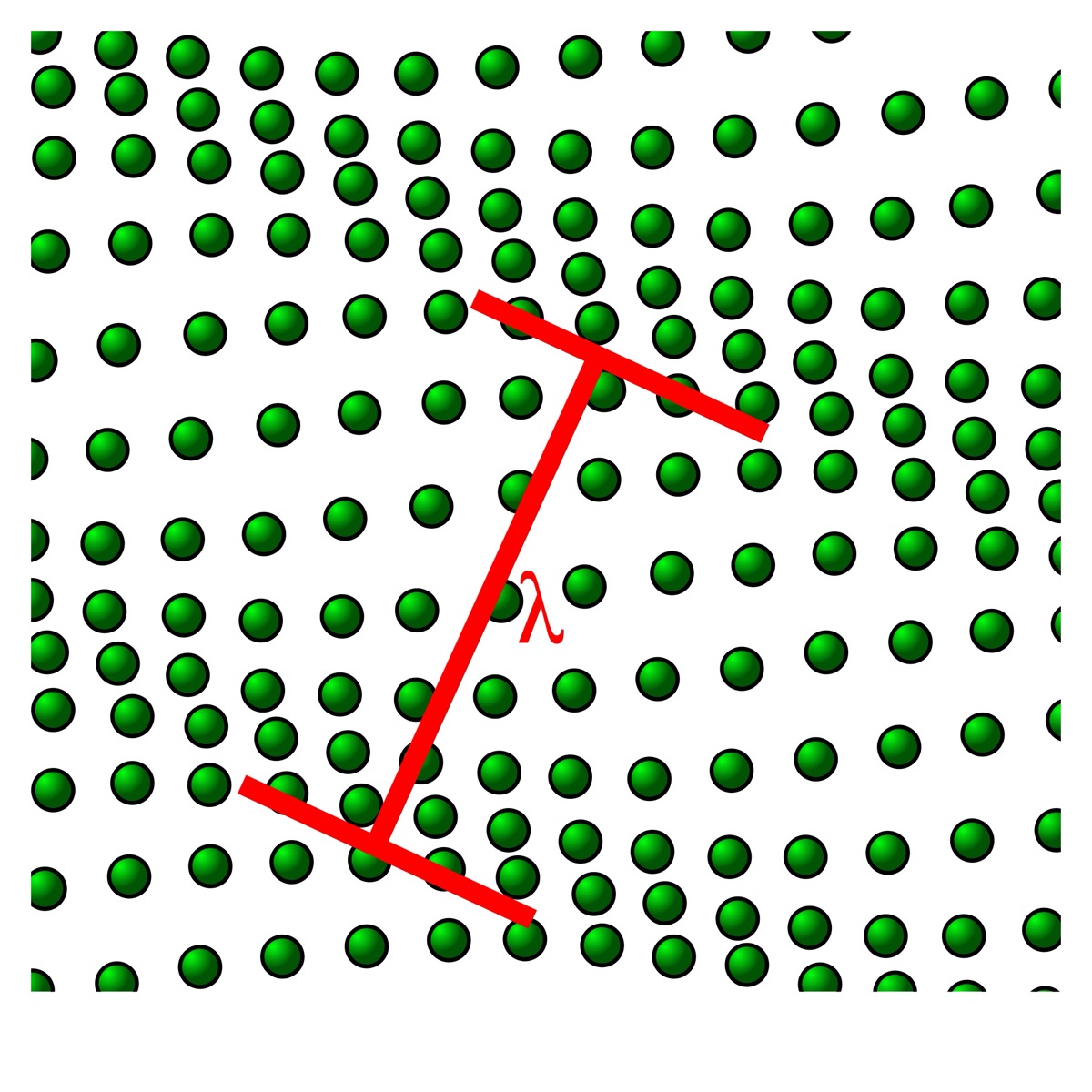
Physicists at McGill University (with the National Research Council of Canada and Princeton) built a chip-scale device that generates precise, controllable bursts of phonons - the quantum particles of sound - by driving electrons through an ultra-pure two-dimensional crystal faster than the speed of sound inside it. Operating near absolute zero (10 millikelvin to 3.9 kelvin), these 'supersonic' electrons shed their extra energy as clean packets of sound-like vibration instead of waste heat. It matters because sound reaches where light and radio can't - deep ocean, solid metal, living tissue - so controllable quantum sound points toward phonon lasers, new underwater and through-barrier communication, sharper medical imaging, and ultra-sensitive sensors. Published in Physical Review Letters. Full breakdown: how it works, why supersonic electrons are the trick, what it could unlock, and the honest road ahead.
Read more →
Jul 5, 2026, 9:14 AM ETScience
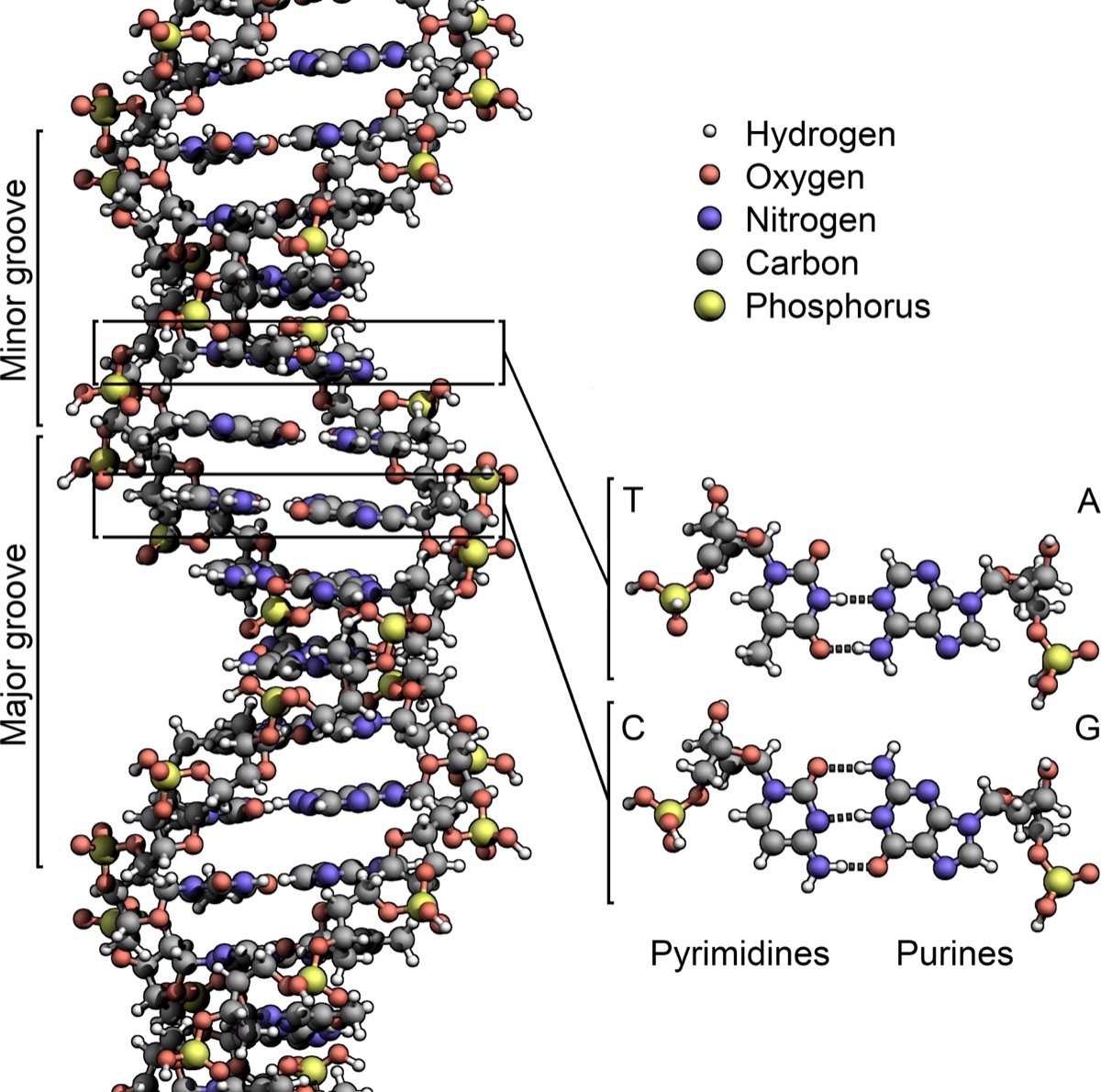
On April 25, 1953, a paper barely a page long appeared in Nature and quietly changed everything we know about living things. In it, James Watson and Francis Crick proposed that DNA - the molecule that carries heredity - is a double helix: two intertwined strands, like a twisted ladder, whose rungs are pairs of chemical letters (A with T, G with C). The genius was in the pairing. Because each base only fits its partner, each strand is a perfect template for the other - so the molecule can unzip and copy itself. Watson and Crick ended with one of the most understated sentences in science: it had not escaped their notice that this pairing suggested a copying mechanism for the genetic material. It was the birth of molecular biology. The model rested on the X-ray work of Rosalind Franklin and Maurice Wilkins and the base-ratio rules of Erwin Chargaff, and it opened the road to genome sequencing, PCR, CRISPR gene editing, and mRNA vaccines. This is a tribute to the page that showed us how life is written down.
Read more →
Jul 5, 2026, 5:18 AM ETHealth
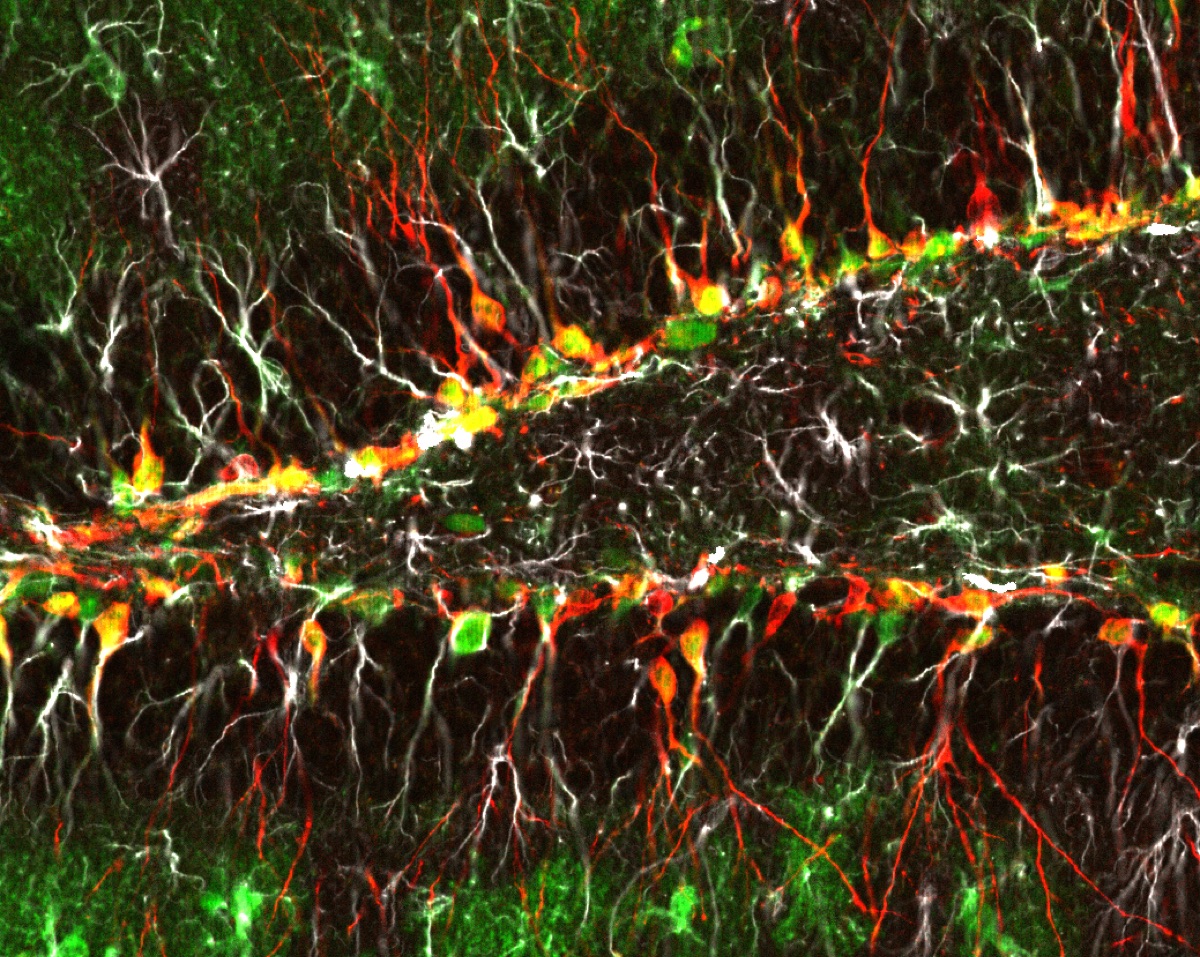
For decades scientists argued about whether the adult human brain makes any new neurons at all. Two 2026 studies just delivered a hopeful answer: it does - well into our 80s and 90s. In Cell Stem Cell (April 24, 2026), a Netherlands Institute for Neuroscience team led by Giorgia Tosoni and Evgenia Salta found immature, newborn-style neurons in the aged human hippocampus of every donor group they examined, average age over 80. The twist: in the roughly 30% of people who carry Alzheimer's changes yet never lose their memory, the difference was not how MANY of these young cells there were, but how they BEHAVED - switching on survival programs, dialing down inflammation, and acting, in Salta's words, like fertilizer for a garden that has started falling apart. A companion Nature study from Orly Lazarov's lab found that cognitive superagers make about twice as many new neurons as their peers. Here is what the research really shows, and what it does not.
Read more →
Jul 5, 2026, 12:17 AM ETScience
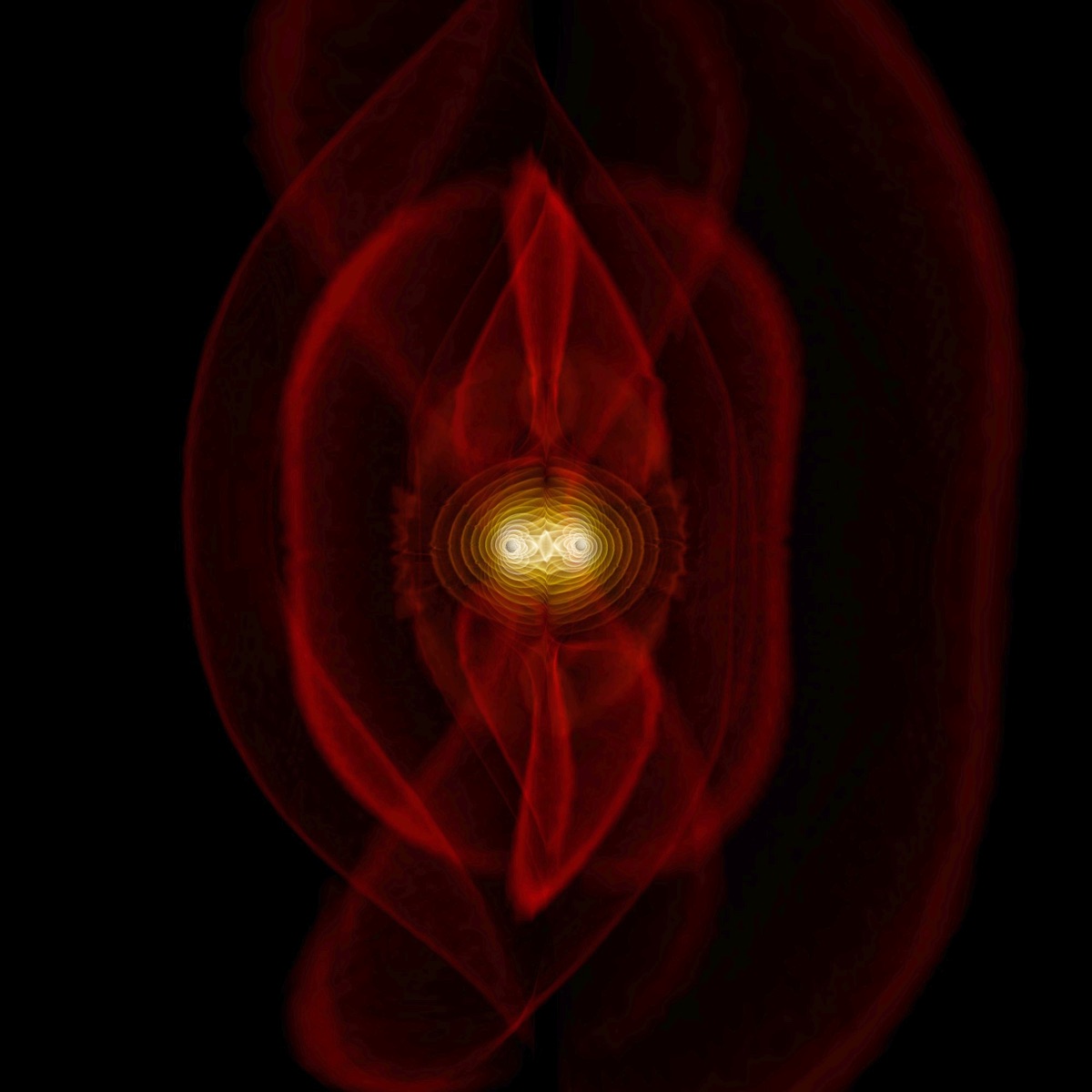
On May 26, 2026, the LIGO-Virgo-KAGRA collaboration published GWTC-5.0, the largest gravitational-wave catalog ever assembled: 161 newly confirmed cosmic collisions recorded in just ten months (April 2024-late January 2025), pushing the running total of detections to 390 since the very first one in 2015. A decade ago, catching a single ripple in spacetime won a Nobel Prize; today the detectors hear three to four every week. The headline event, GW250114, is the clearest signal ever recorded (signal-to-noise ratio 76.9) - two black holes of 34 and 32 solar masses merging about 1.3 billion light-years away. It delivered the most precise test of Einstein's general relativity to date and confirmed Stephen Hawking's 1971 black-hole area theorem: that a black hole's event horizon can never shrink. The catalog also localized one source to a record 6 square degrees of sky and turned up second-generation black holes built from the leftovers of earlier mergers. Full breakdown: the numbers, the record events, how the Hawking test works, and why researchers say gravitational-wave astronomy has officially come of age.
Read more →
Jul 4, 2026, 1:18 PM ETScience
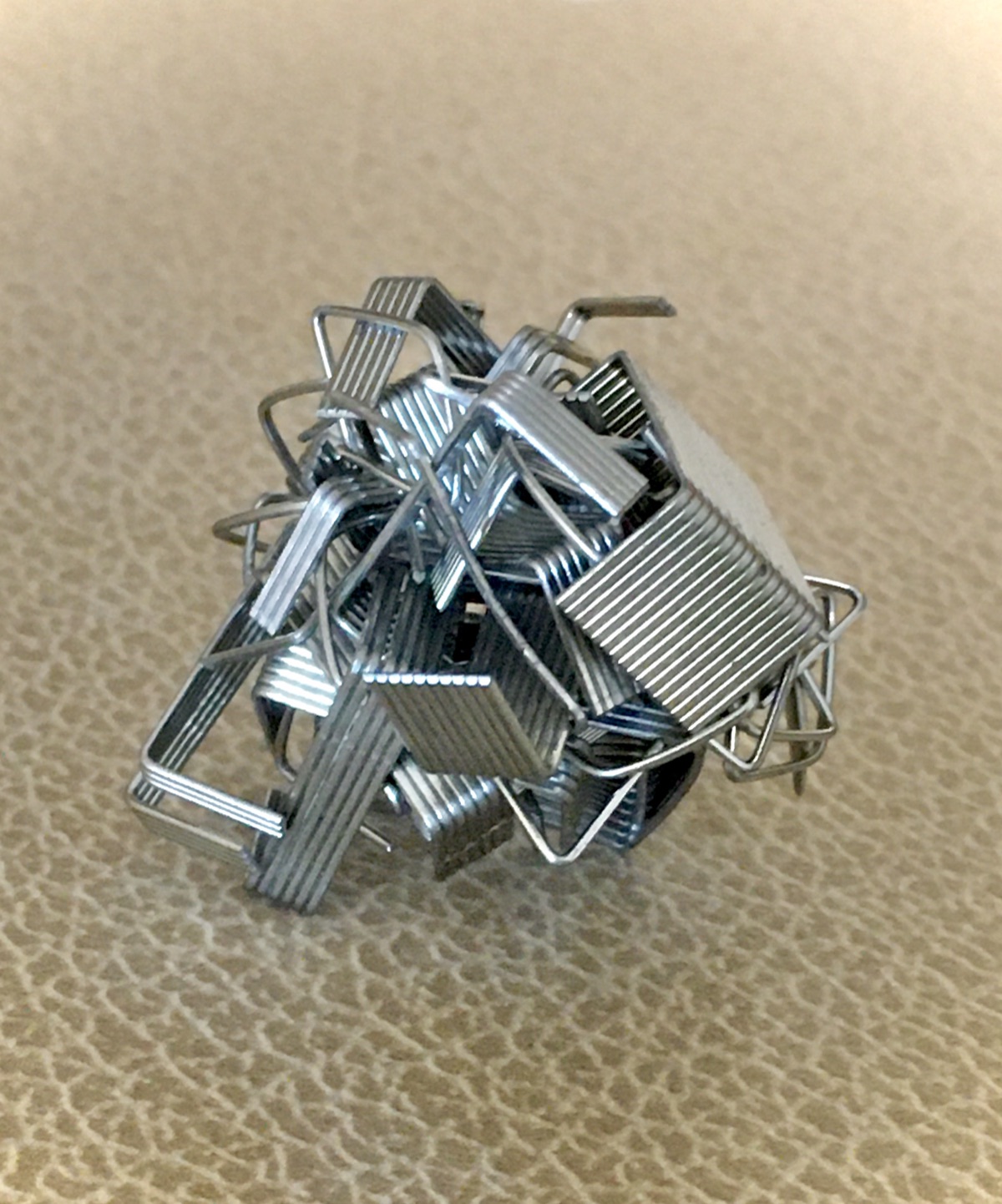
Engineers at the University of Colorado Boulder have built a material out of thousands of tiny staple-shaped particles - little two-legged Us, like the staples in a desk drawer. Loose, they pour like sand; tangled, they grip one another into a cohesive solid held together by nothing but their own geometry. The clever part is control: a gentle vibration nudges the staples to hook together and lock into a rigid, load-bearing solid, while a stronger vibration shakes them back apart into free-flowing grains - assembly and disassembly on demand, with no glue, welds, or fasteners. Strikingly, the tangled state is both strong and tough at once, two properties that are normally a trade-off. The secret is pure shape: an optimal angle between each staple's crown and legs, with the load carried by as few as one to three hidden force chains. It points toward recyclable buildings, reconfigurable structures, and swarm robots. Published in the Journal of Applied Physics (April 2026). Inside: how it works, why strength plus toughness is a big deal, and the honest caveats.
Read more →
Jul 4, 2026, 9:15 AM ETScience
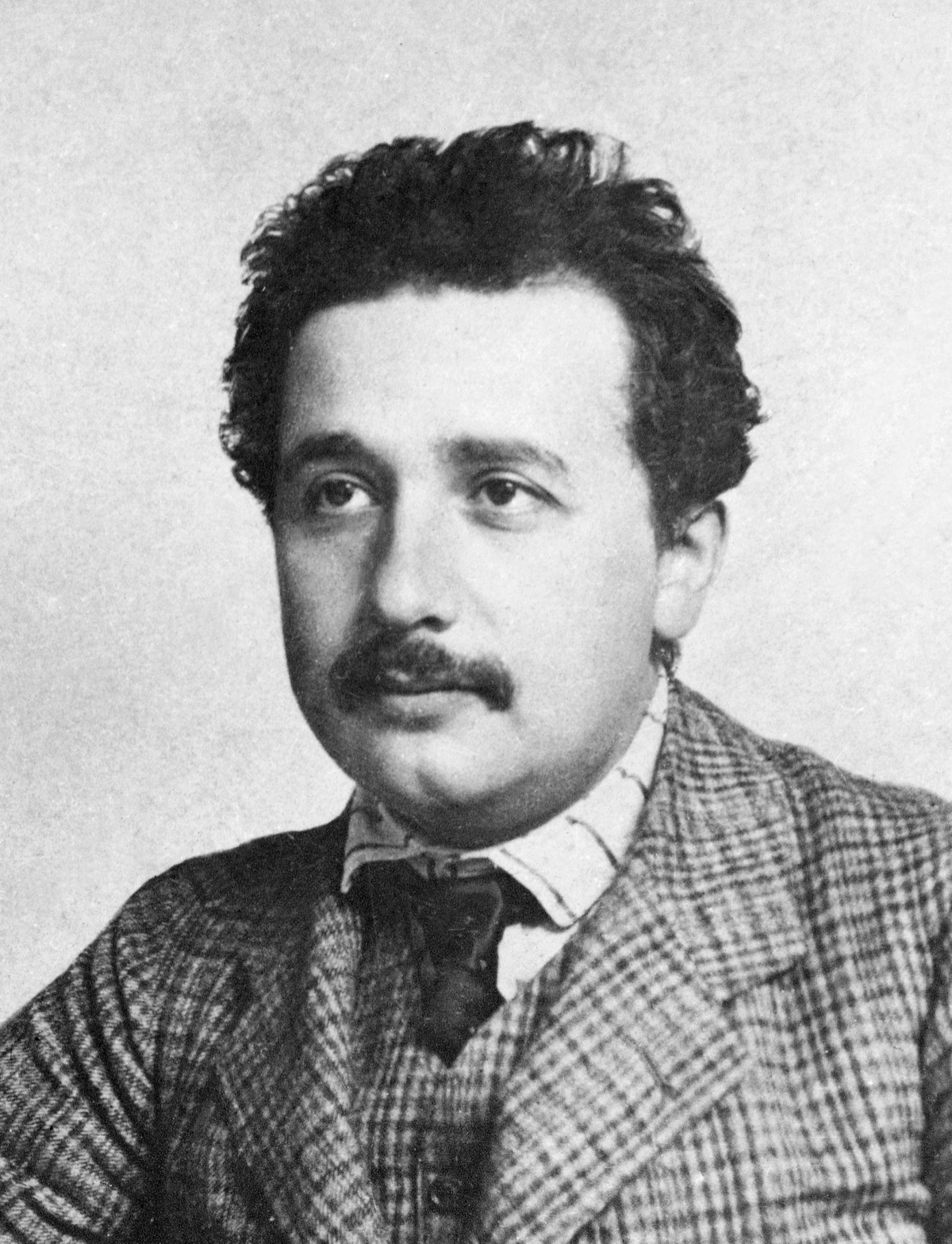
In a single year - 1905 - a 26-year-old clerk at the Swiss Patent Office in Bern published four papers in his spare time, and each one changed physics forever. The first argued that light comes in discrete packets of energy (later named photons), explaining the photoelectric effect and helping launch quantum theory - the paper Einstein himself called very revolutionary, and the one that won him the Nobel Prize. The second explained the jittery Brownian motion of tiny particles as the drumming of unseen molecules, giving science its clearest proof that atoms are real. The third, On the Electrodynamics of Moving Bodies, introduced special relativity and dissolved the idea of absolute space and time. And a short fourth paper drew out its most famous consequence: mass and energy are the same thing, E = mc-squared. That burst of creativity is now called his Annus Mirabilis - his miracle year. This is a tribute to the twelve months that quietly rebuilt our picture of reality, and still power the technology in your pocket.
Read more →

 العربية
 Español
 中文
中文 Deutsch
 Français
 Português