News & Insights
Tech, AI, science & Apple news curated by Jerry Cards. Unlocking US digital content worldwide since 2009.
Jun 23, 2026, 5:15 AM ETTech
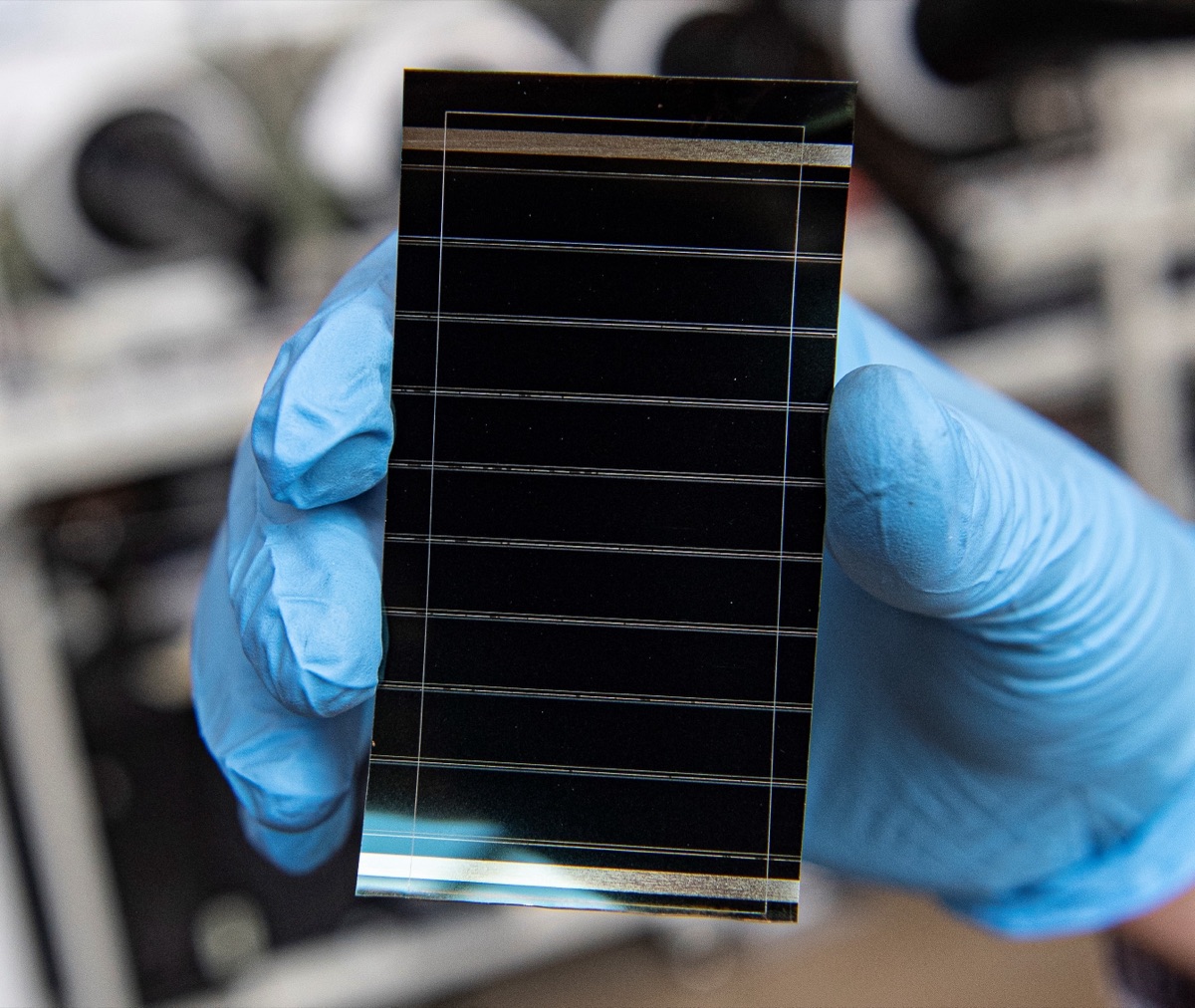
JinkoSolar has certified a perovskite-on-silicon tandem solar cell at 34.82% power-conversion efficiency - the company's 33rd efficiency world record, verified by the Chinese Academy of Sciences' Shanghai Institute of Microsystem and Information Technology, and up from its own 34.76% mark. Plain silicon is bumping against a hard physical ceiling near 29%, so researchers stack a thin perovskite layer on top to harvest the blue light silicon wastes - which is how tandems break past it. The quiet headline here isn't the number; it's the platform. JinkoSolar built this record on N-type TOPCon, the workhorse cell architecture most of today's solar factory lines are already designed around - meaning the efficiency gains land on infrastructure that exists at scale, not an exotic lab process. Inside: how a tandem cell works, why TOPCon matters, the honest caveats (these are still lab cells, perovskite durability is the open question), and where the 34-35% efficiency race stands.
Read more →
Jun 23, 2026, 12:15 AM ETScience
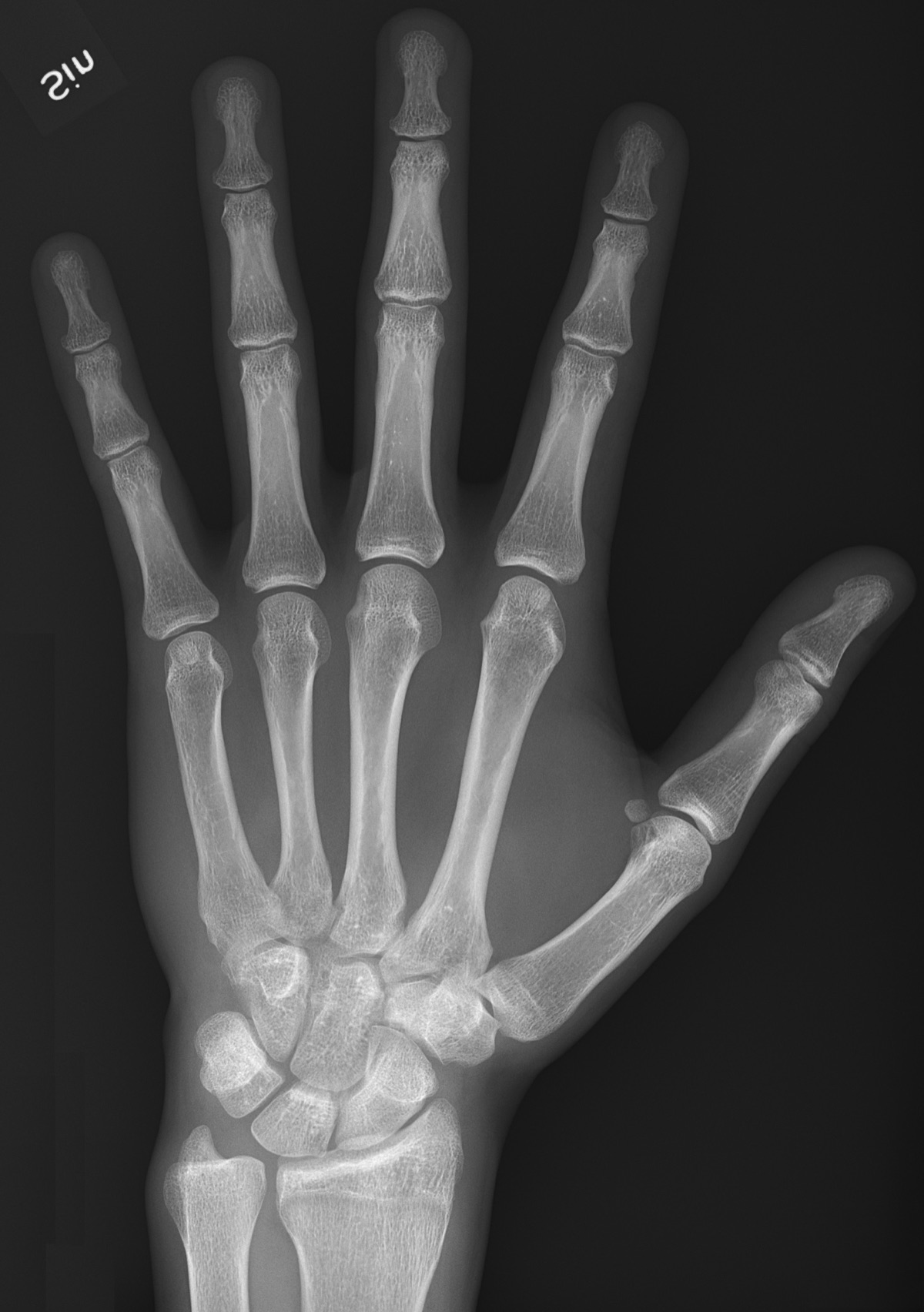
For two centuries biology has treated complex-tissue regeneration as a power mammals simply lost - the talent of salamanders and axolotls, not of us. A new Texas A&M study in Nature Communications challenges that. By delivering two well-known growth signals in sequence - FGF2 first, then BMP2 a few days later - researchers prompted adult mice to regrow, from an already-healed amputation site, the structures that injury normally destroys: phalangeal and sesamoid bone, a working synovial joint, articular cartilage, tendon and ligament. The cells doing the rebuilding were already there - no transplanted stem cells required - which is why the team frames mammalian regeneration as dormant rather than absent. The regrown parts were not perfect replicas, and this is mouse-stage science, but it reframes a foundational assumption of regenerative medicine. Inside: exactly what regrew, how the two-step switch works, why no stem-cell transplant was needed, and the honest caveats.
Read more →
Jun 22, 2026, 1:18 PM ETScience
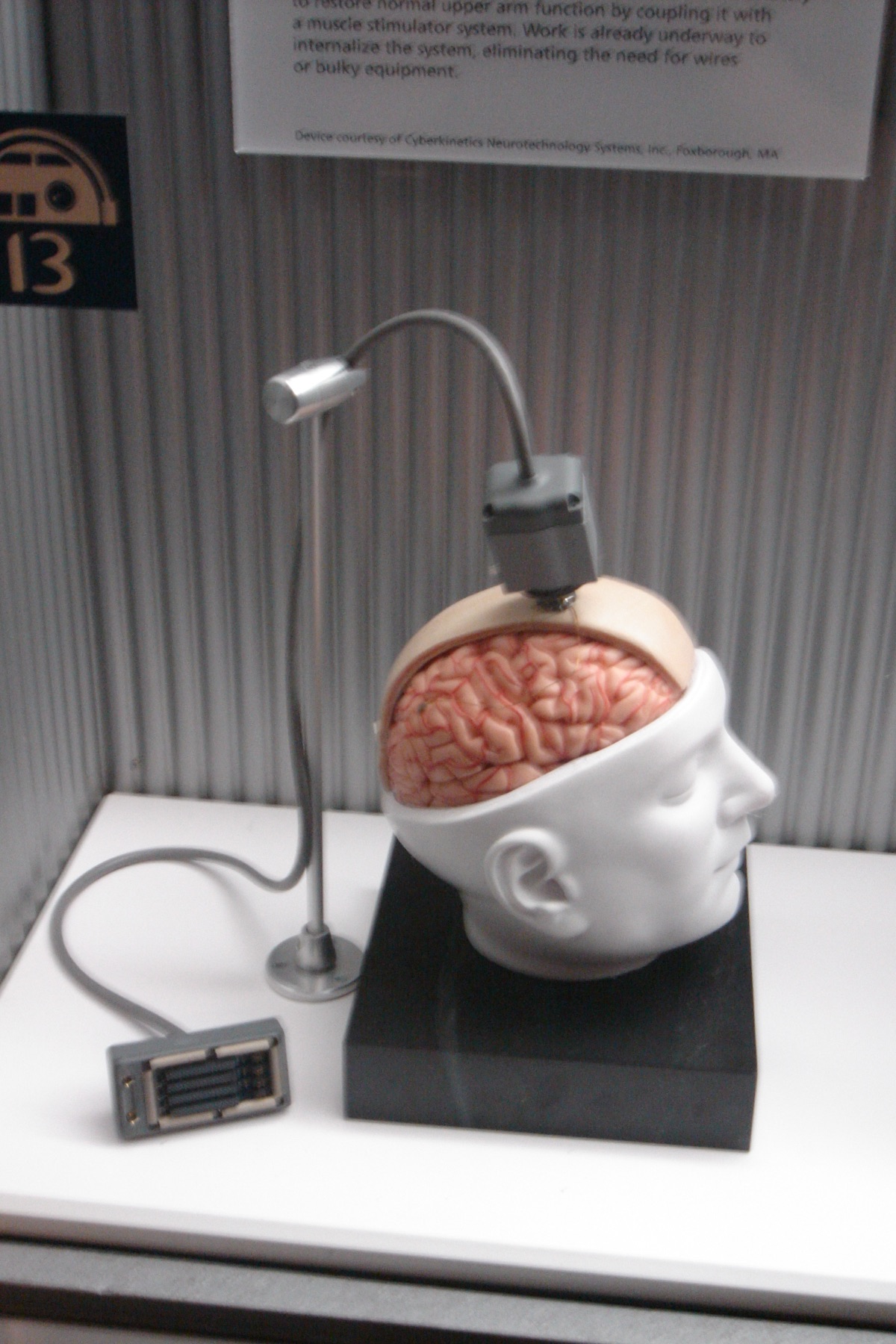
On June 15, 2026, researchers reported in Nature Medicine that a man with ALS used an implanted brain-computer interface independently - at home, with no researcher present - for nearly two years. Casey Harrell, 47, a participant in the BrainGate2 clinical trial, turned his attempts to speak into text at 99% accuracy from a 125,000-word vocabulary and at 56 words per minute, and also controlled a computer cursor to run his entire digital life - email, the web, and his work. Over the period he logged more than 3,800 hours of near-daily use, producing 183,000+ sentences and roughly 2 million words. The leap from the team's earlier 97%-accurate system is independence and reliability: the device now runs itself, day after day - the point at which a brain-computer interface moved from lab demo to dependable, everyday assistive technology. Full breakdown: the numbers, how the 256-electrode implant works, the researchers behind it, and what comes next.
Read more →
Jun 22, 2026, 12:14 AM ETHealth
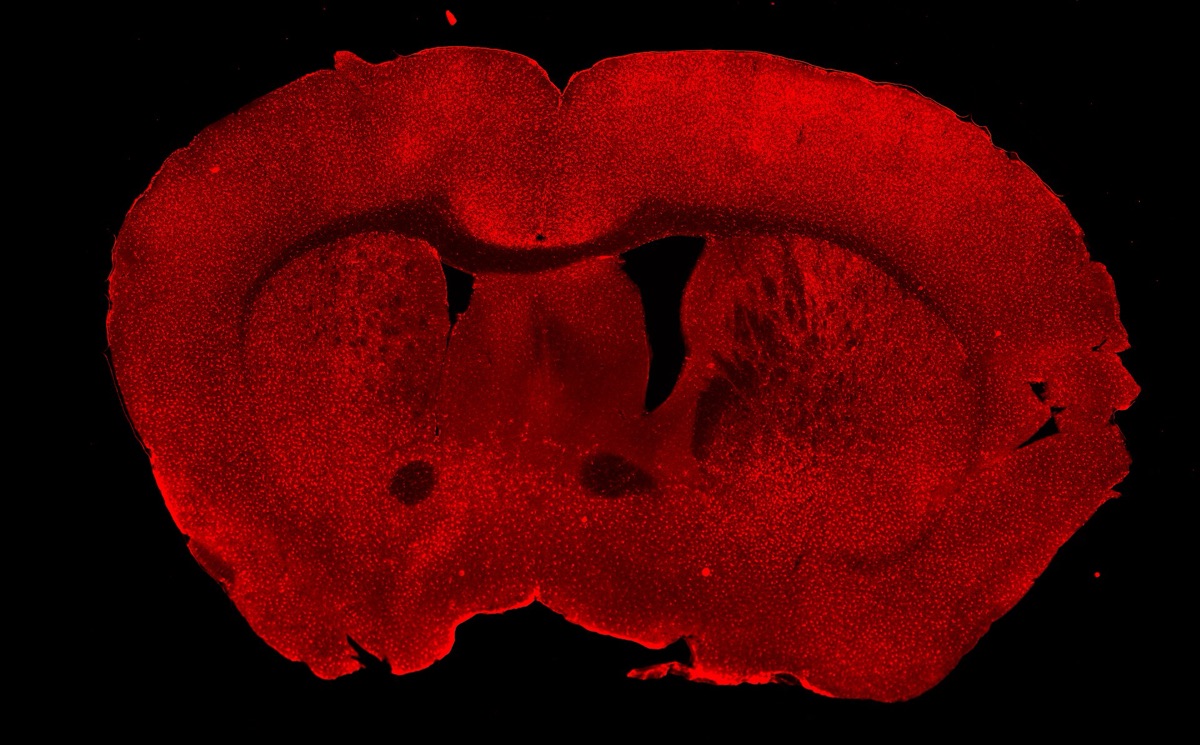
A team in Spain and Switzerland has shown it may be possible to fight Alzheimer's not just by attacking plaques, but by repairing the brain's own cleanup crew. Reporting in Cell Death & Disease (June 2026), they found that a natural molecule called OLE (N-oleoyl-leucine) - a product of the Alzheimer's-linked gene PM20D1 - rewires microglia, the brain's resident immune cells, back into a protective state. Treated microglia swarm toward beta-amyloid plaques, wall them off from neurons, and help clear them, while improving neuron survival. In Alzheimer's-model mice, a three-month course improved memory and reduced plaque burden; in roundworms it cut toxic protein aggregates and restored mobility. It is early-stage work - worms, cells, and mice, not yet humans - but a hopeful new angle on a disease that affects tens of millions.
Read more →
Jun 21, 2026, 12:20 AM ETHealth
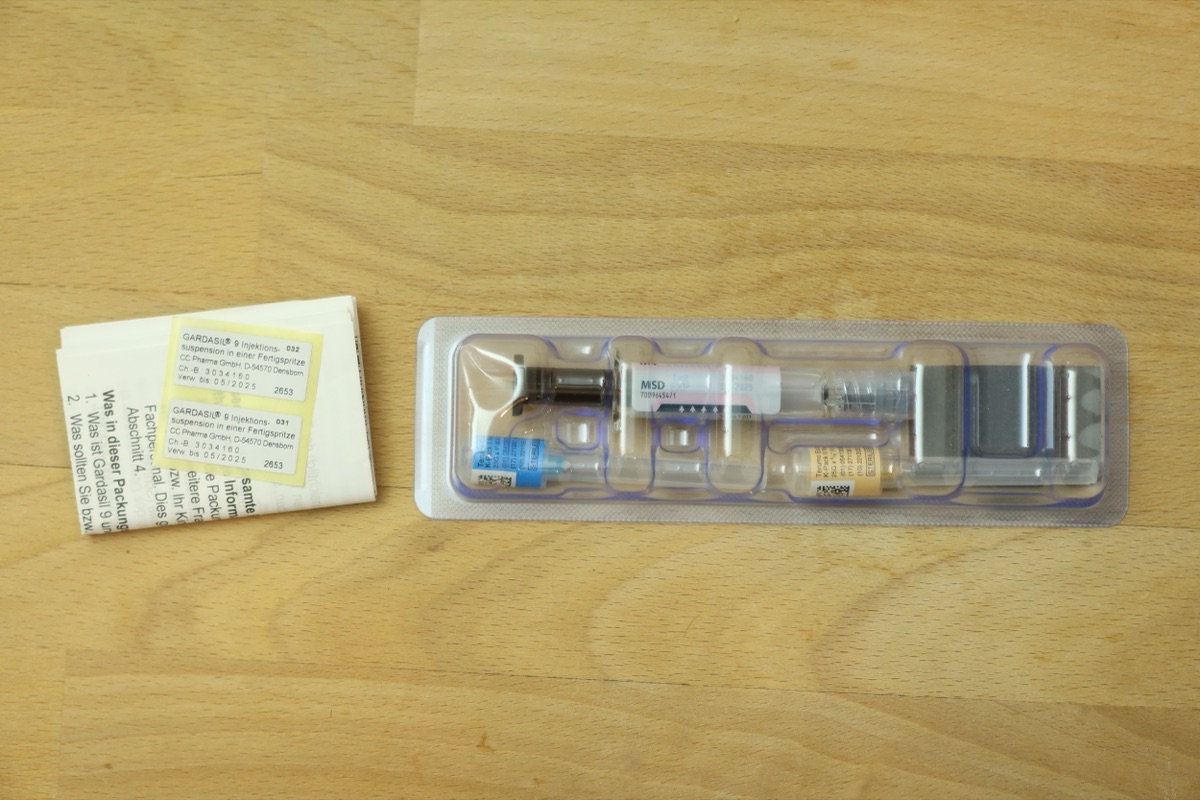
A landmark study published in The Lancet on June 18, 2026, has shown for the first time that the HPV vaccine is not just preventing cervical disease - it is preventing deaths. Researchers at Queen Mary University of London, funded by Cancer Research UK, analysed England's population mortality data from 2001 to 2024 and found that not a single woman aged 20 to 24 died of cervical cancer between 2020 and 2024 - the first time that has ever happened. Without the vaccine, about 23 deaths would have been expected in that group. Across all ages, the programme has already prevented an estimated 200 cervical cancer deaths in England, a number set to climb as the first vaccinated generation - now roughly 90% covered - grows older. Cervical cancer is caused almost entirely by HPV, a common virus, which makes it one of the very few cancers that can be prevented with a vaccine. Full breakdown: the exact numbers, how England's school programme works, why this is a world-leading proof point, and how the WHO's goal of eliminating cervical cancer altogether is now within reach.
Read more →
Jun 20, 2026, 2:28 PM ETTech
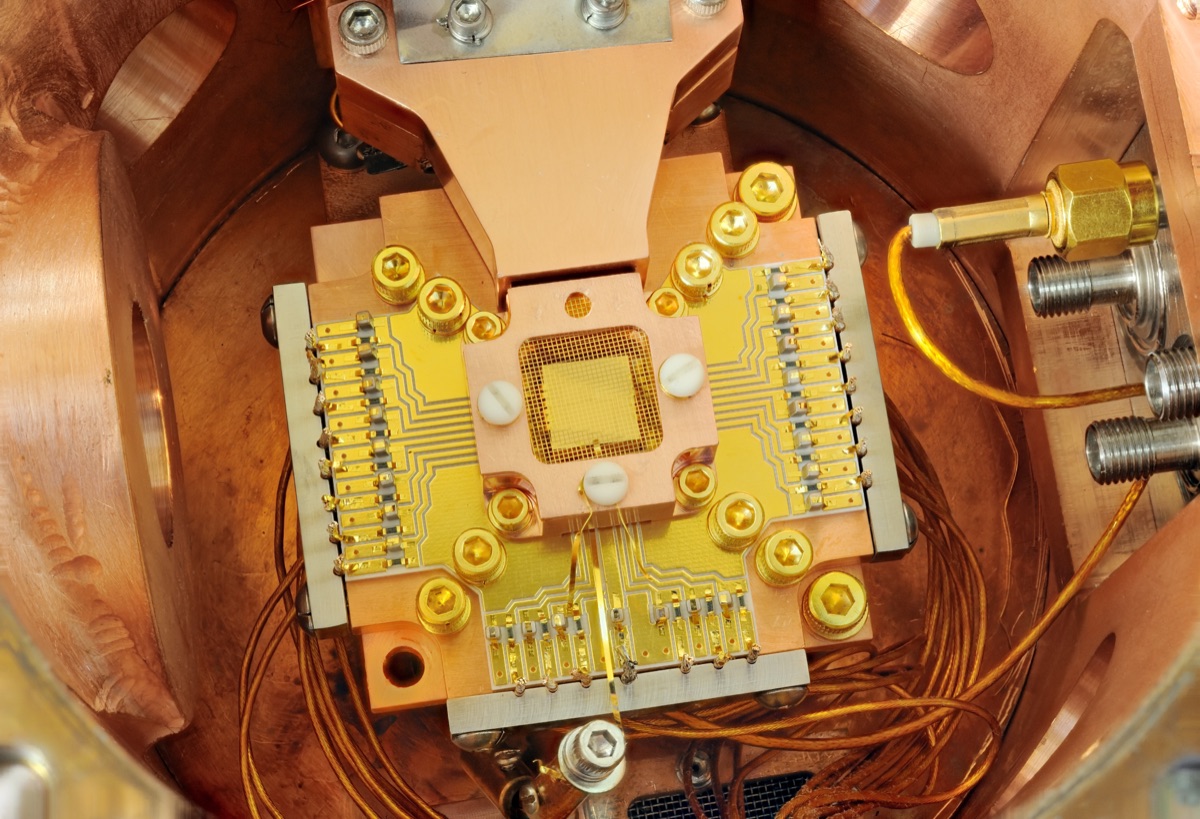
Quantinuum's new trapped-ion quantum computer, Helios, has been detailed in a peer-reviewed paper in Nature (June 17-18, 2026) - and its performance was independently certified by Sandia National Laboratories. The machine runs 98 qubits (up from 56 on its predecessor) with record-class accuracy: 99.9975% on single-qubit operations, 99.921% on two-qubit operations, and 99.967% on readout. Crucially, it offers all-to-all connectivity - any qubit can interact directly with any other - because it physically shuttles individual barium ions around a chip. An outside national lab checking the numbers is the part that matters most: it turns a company benchmark into a trustworthy result, and the combination of high accuracy, full connectivity, and independent validation is exactly what the field needs on the road to fault-tolerant quantum computers.
Read more →
Jun 18, 2026, 6:12 AM ETScience

A Yale-led team has confirmed a third galaxy that appears to contain almost no dark matter - NGC 1052-DF9, about 65 million light-years away in the NGC 1052 group (The Astrophysical Journal, June 16, 2026). Measured with the Keck Cosmic Web Imager and Hubble, DF9 weighs only about 100 million solar masses, the mass of its visible stars alone; a normal galaxy its size should be roughly 100 times heavier, wrapped in a dark-matter halo of about 10 billion solar masses. The twist: DF9 joins DF2 (2018) and DF4 (2019) along the same thin, straight line, part of a string of about ten faint galaxies - a formation never seen before. The leading explanation is a high-speed, bullet-like collision of two larger galaxies that separated the dark matter from the gas, leaving behind a trail of galaxies made of ordinary matter alone. Far from breaking the theory, finding galaxies that lack dark matter is some of the strongest evidence yet that dark matter is a real, physical substance.
Read more →
Jun 18, 2026, 12:18 AM ETScience
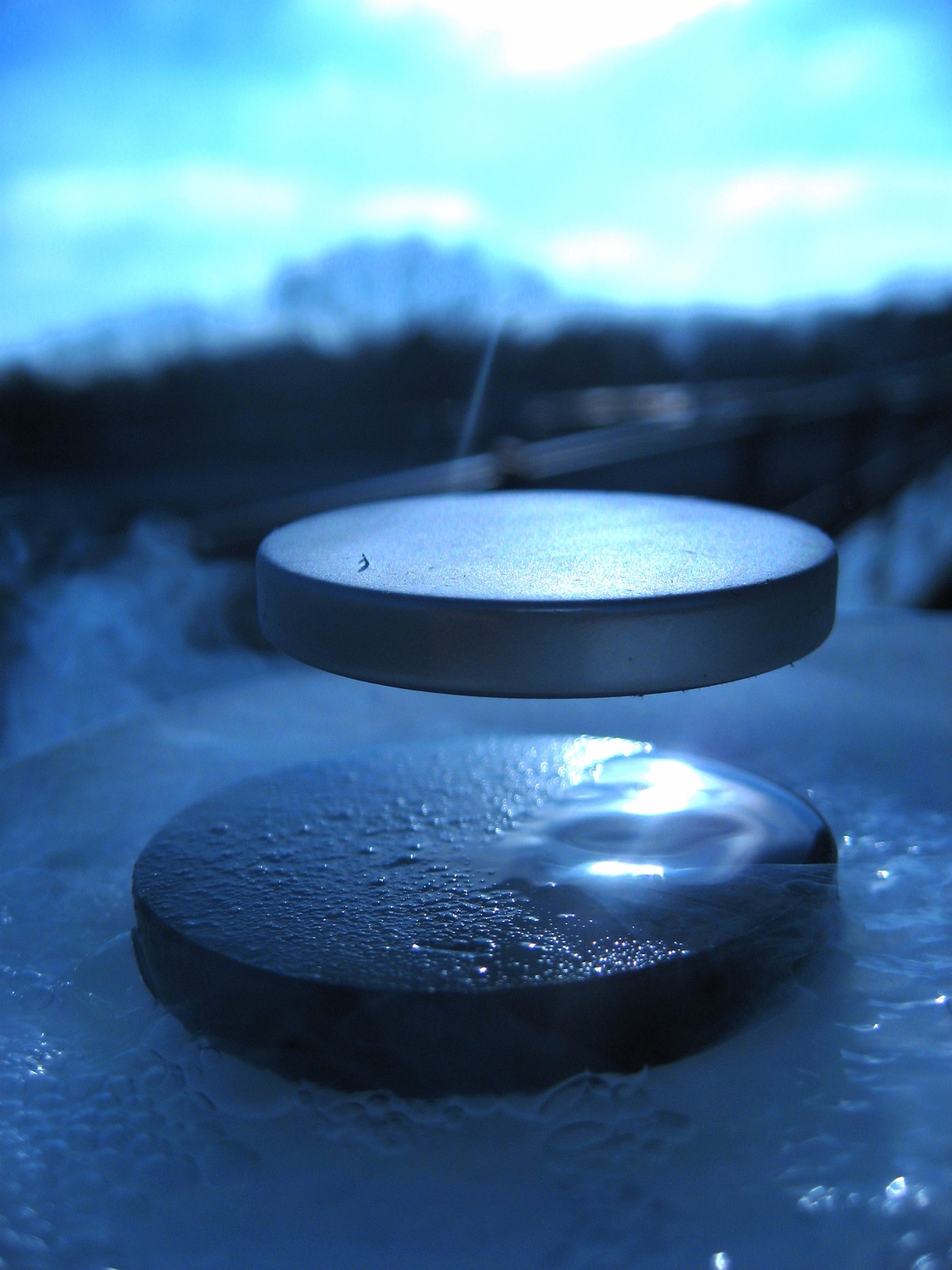
By carving nanoscale ridges into the surface a superconductor grows on, an international team led by Chalmers University of Technology coaxed an ultrathin copper-oxide film (YBa2Cu3O7, or YBCO) into outperforming a thicker one. Compared with standard 50-nanometre films, 10-nanometre films grown on a nanofaceted magnesium-oxide substrate stayed superconducting at an onset temperature more than 15 K higher (around 90 K) and tolerated magnetic fields more than 50 tesla stronger. An identical film on a flat substrate showed no effect, pinning the gain on geometry alone. Published in Nature Communications (Jan 7, 2026), the work shows the carved surface reshapes the film electronic order - steering its charge-density waves into a single direction and making the electrons behave nematically - so superconductivity strengthens. It points to a new design knob (shape the substrate, do not change the chemistry) for building more robust superconductors for energy-efficient electronics, quantum components and high-field magnets.
Read more →
Jun 17, 2026, 1:14 PM ETScience

Astronomers using the James Webb Space Telescope have, for the first time, read the atmosphere of a planet outside our solar system longitude by longitude - not as a single blurry average, but like turning a globe. The target is WASP-121 b (officially named Tylos), an ultra-hot Jupiter about 858 light-years away in the constellation Puppis that whips around its star every 1.27 days. Led by Cyril Gapp at the Max Planck Institute for Astronomy, the team used a clever method called rotational transits: as Tylos drifts across its star over several hours it also rotates by roughly 30 degrees, so JWST could read its air strip by strip and separate the planet's morning (dawn) edge from its evening (dusk) edge. The result is a world with two different skies - a hotter, more absorbing dusk and a cooler dawn, with powerful eastward winds dragging heat around the globe. These day-night asymmetries had been predicted by atmospheric models for years; this is the first time they have been directly observed on an exoplanet. Published in Nature Astronomy, June 2026.
Read more →
Jun 17, 2026, 5:14 AM ETScience
PFAS, the so-called forever chemicals, earn their name from the carbon-fluorine bond - one of the strongest in all of chemistry - which lets them linger in water and the environment almost indefinitely. Now a team at Aarhus University has pinpointed their hidden weakness. Publishing in Environmental Science & Technology, the researchers show that hydrogen radicals - highly reactive particles generated straight from water by high-energy UV light (below 300 nanometers) - are the dominant force that pries fluorine atoms off PFAS and breaks the molecules apart. The finding reframes earlier thinking that credited other reactive species, and it matters because most cleanup today only moves PFAS from one place to another. Pinpointing the exact mechanism gives engineers a clear target for technologies that truly destroy these pollutants. Inside: how the chemistry works, why it is a breakthrough, and what comes next.
Read more →
Jun 17, 2026, 12:15 AM ETTech
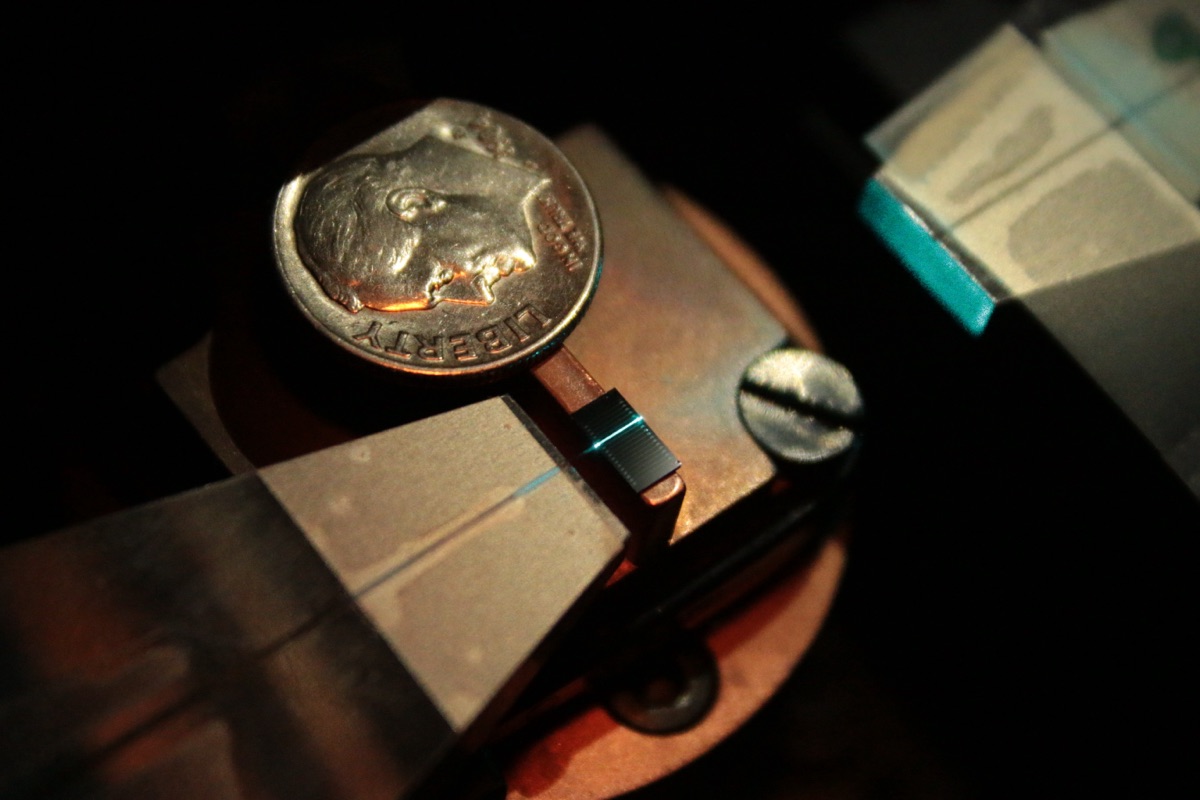
Physicists at Monash University have built the first single chip that can generate, steer, and read information carried by light - all in one integrated device. Reported in Nature Photonics, the room-temperature chip stacks atom-thin 2D materials onto light-shaping metasurfaces and encodes data in a quantum property of light called the valley degree of freedom. In a proof of concept it processed two separate images at once. Because light travels fast and wastes little energy, the advance points toward quicker, more energy-efficient computing for AI and data centers - plus new hardware for quantum technologies and secure communication.
Read more →
Jun 16, 2026, 1:16 PM ETHealth
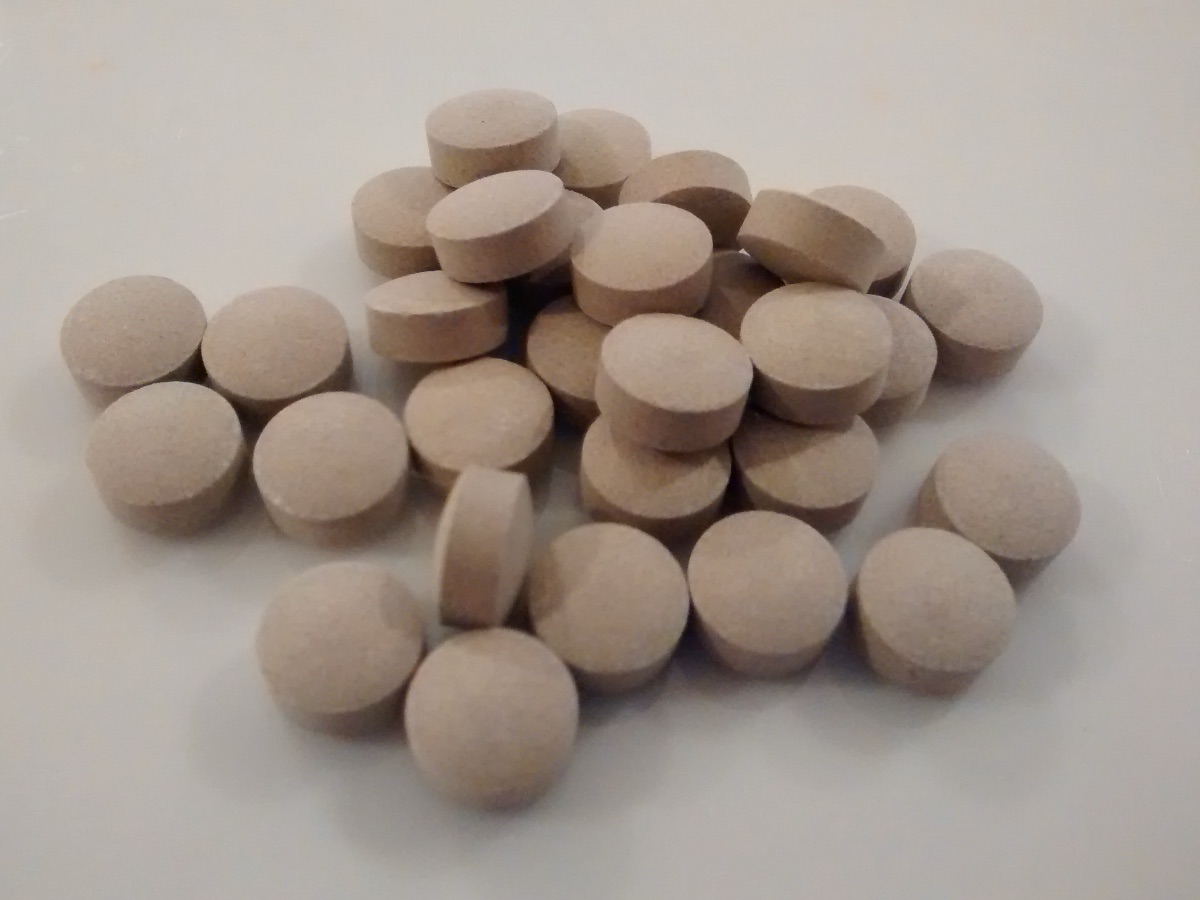
The blockbuster GLP-1 drugs behind Ozempic, Wegovy and Zepbound transformed how the world treats diabetes and obesity - but they all came with a weekly needle. That is changing fast. This week (June 15, 2026) The Lancet published the SOLSTICE trial for elecoglipron, AstraZeneca's once-daily oral GLP-1: in 406 adults with type 2 diabetes, up to 89.6% hit their blood-sugar target and the high-dose group lost about 10.5% of body weight in 26 weeks - with no food or fluid restrictions. It lands just weeks after Eli Lilly's orforglipron (brand name Foundayo) became the first GLP-1 pill you can take any time of day, no fasting required, winning FDA approval for weight management on April 1, 2026 and beating oral semaglutide head-to-head in a phase 3 diabetes trial. Because these are simple, chemically-made tablets rather than refrigerated injectables, they can be manufactured at massive scale and lower cost - the key to bringing these medicines to far more people. Here is the full picture: the numbers, how the pills compare to the shots, and why this is a turning point for access.
Read more →

 العربية
 Español
 中文
中文 Deutsch
 Français
 Português