News & Insights
Tech, AI, science & Apple news curated by Jerry Cards. Unlocking US digital content worldwide since 2009.
Jul 4, 2026, 9:15 AM ETScience
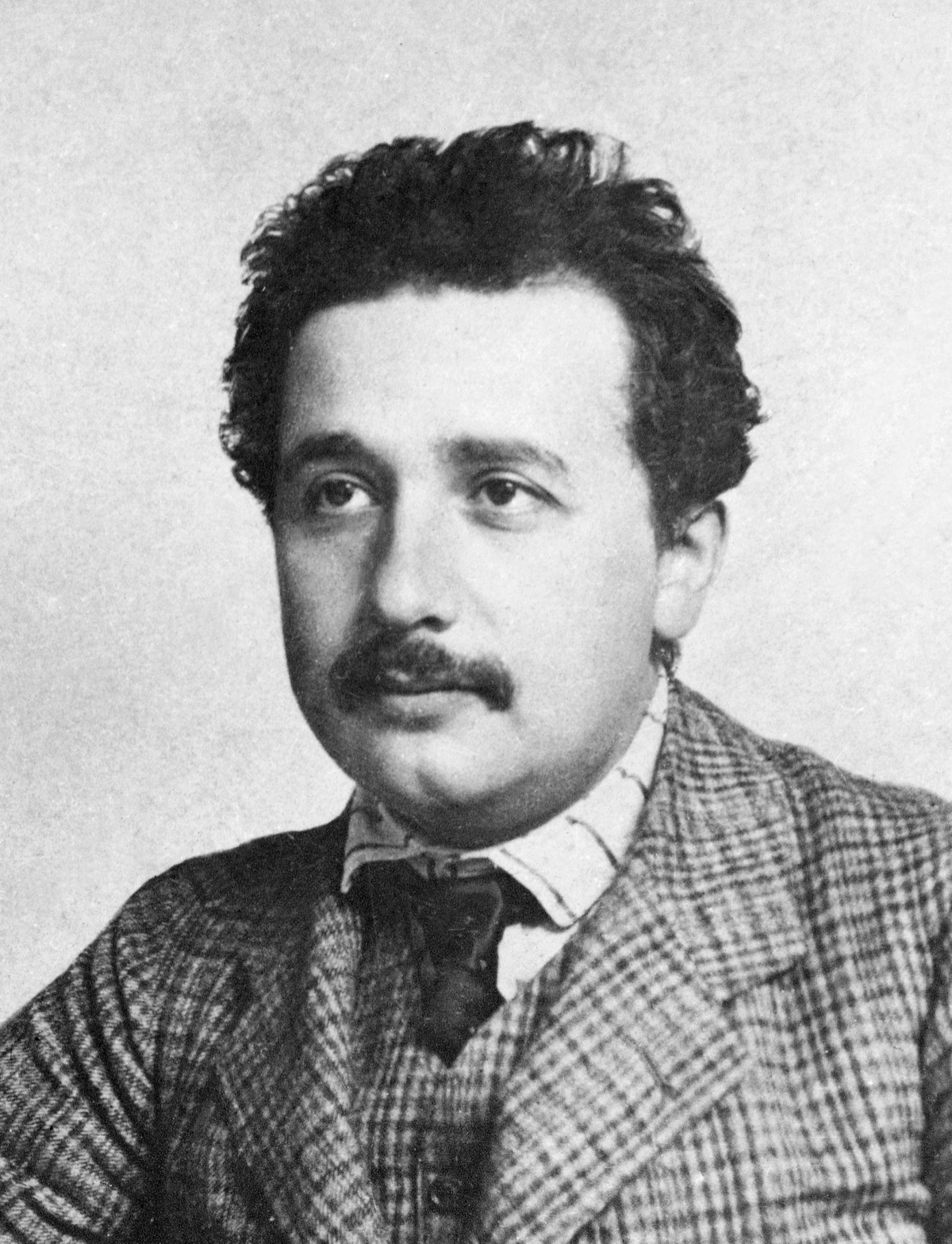
In a single year - 1905 - a 26-year-old clerk at the Swiss Patent Office in Bern published four papers in his spare time, and each one changed physics forever. The first argued that light comes in discrete packets of energy (later named photons), explaining the photoelectric effect and helping launch quantum theory - the paper Einstein himself called very revolutionary, and the one that won him the Nobel Prize. The second explained the jittery Brownian motion of tiny particles as the drumming of unseen molecules, giving science its clearest proof that atoms are real. The third, On the Electrodynamics of Moving Bodies, introduced special relativity and dissolved the idea of absolute space and time. And a short fourth paper drew out its most famous consequence: mass and energy are the same thing, E = mc-squared. That burst of creativity is now called his Annus Mirabilis - his miracle year. This is a tribute to the twelve months that quietly rebuilt our picture of reality, and still power the technology in your pocket.
Read more →
Jul 4, 2026, 5:15 AM ETTech
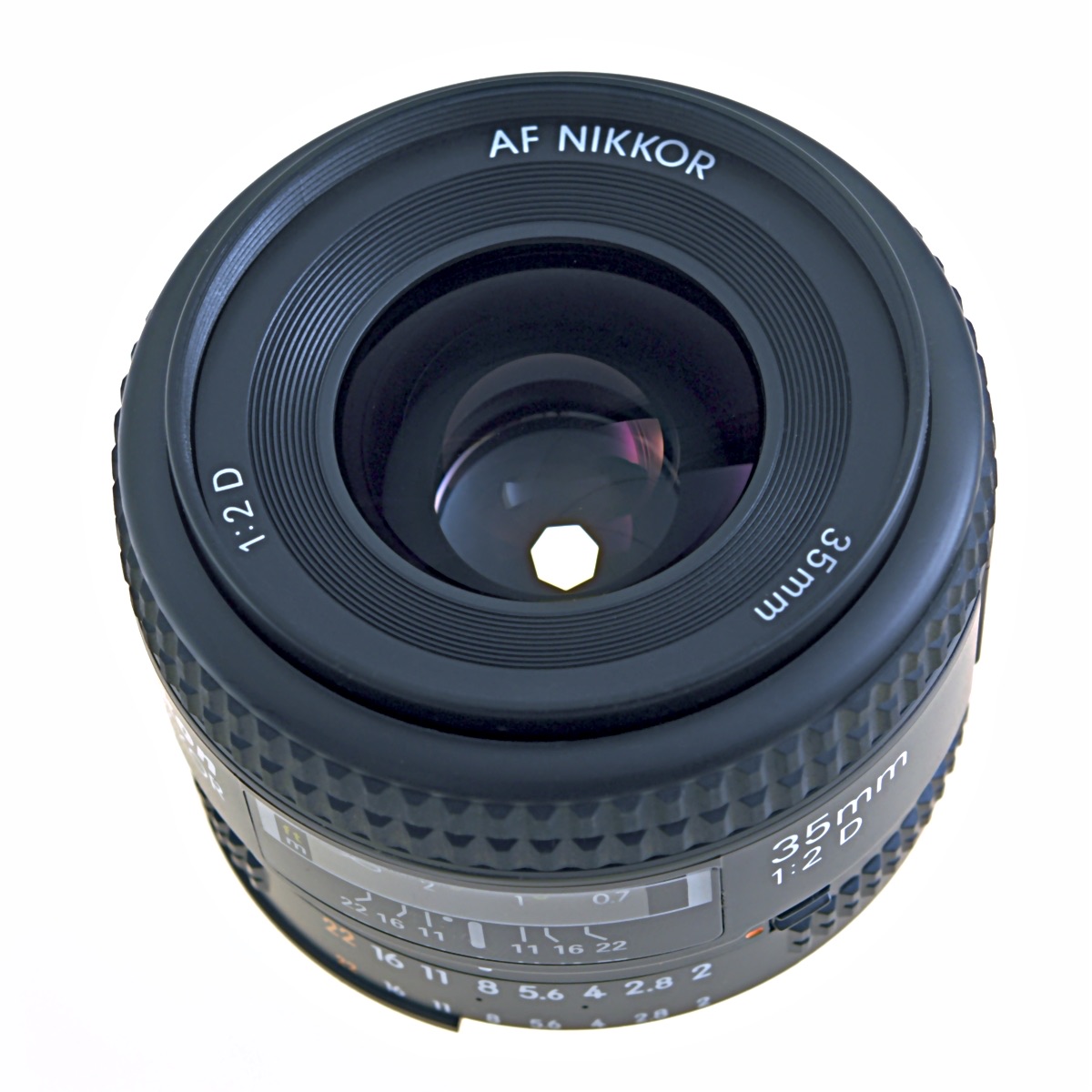
Every iPhone Pro from the 14 Pro to the 17 Pro has shot through the same fixed ƒ/1.78 lens opening. That is reportedly about to change. Apple analyst Ming-Chi Kuo, who first reported it in December 2024, says both iPhone 18 Pro models will gain a variable aperture main camera - a tiny mechanical iris that physically opens and closes, exactly like the lens on a professional camera. Bloomberg's Mark Gurman calls it one of the most significant iPhone camera upgrades in years. It is a genuine optics change, not a software trick: real depth-of-field control, real (optical) bokeh instead of computational fakery, and far better handling of bright light. And it is already moving down the supply chain - suppliers Sunny Optical and LG Innotek reportedly began building the aperture hardware this spring, ahead of a September 2026 launch. Here is what a variable aperture actually does, why photographers care, the phones that got there first, and how solid the rumor is.
Read more →
Jul 4, 2026, 12:16 AM ETScience
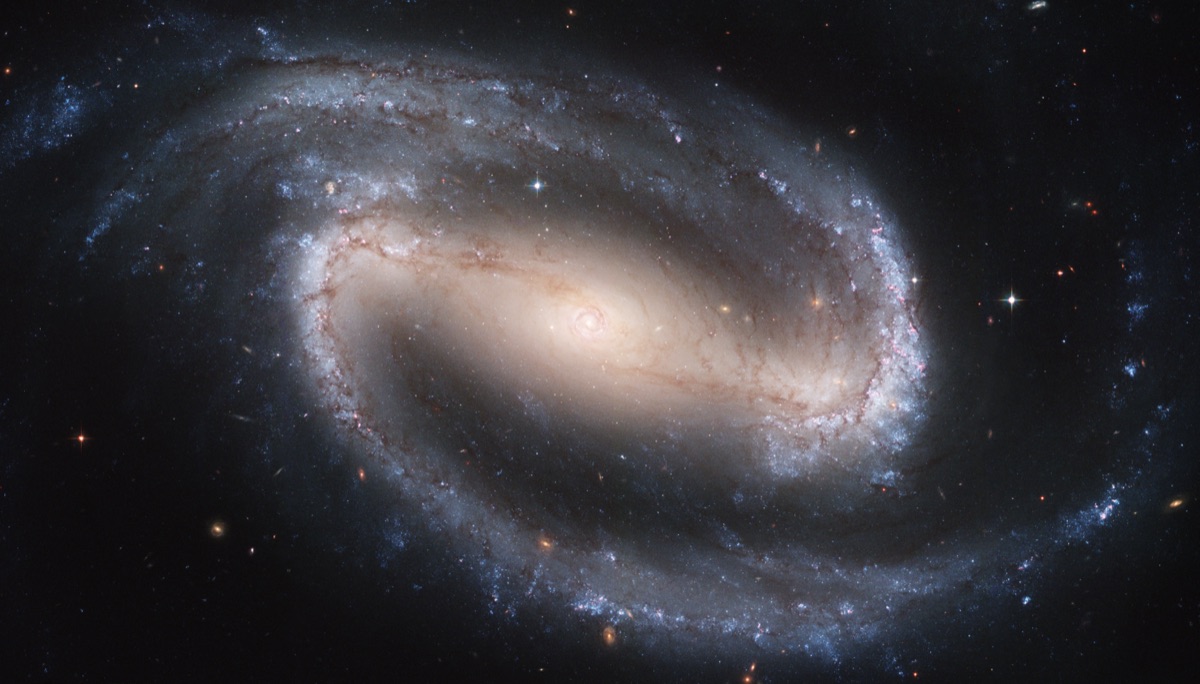
Astronomers using the James Webb Space Telescope have identified M1149-BSG-z5, a barred spiral galaxy at redshift z = 5.102 - the highest-redshift barred galaxy candidate found to date. We see it as it looked just over a billion years after the Big Bang, its light some 12.6 billion years old. It already carries a stellar bar with a semi-major axis of about 4.5 kiloparsecs (~14,700 light-years), roughly the size of the Milky Way's own bar; a stellar mass of about 28 billion Suns; and vigorous star formation of 144 solar masses a year. Bars are the signature of a settled, dynamically mature disk - so finding one this early suggests grown-up, orderly galaxies assembled far sooner than models predicted. The full breakdown: the numbers, why a bar is such a big deal, and the honest caveats (it is a preprint, a single object, and still a candidate).
Read more →
Jul 3, 2026, 1:20 PM ETTech
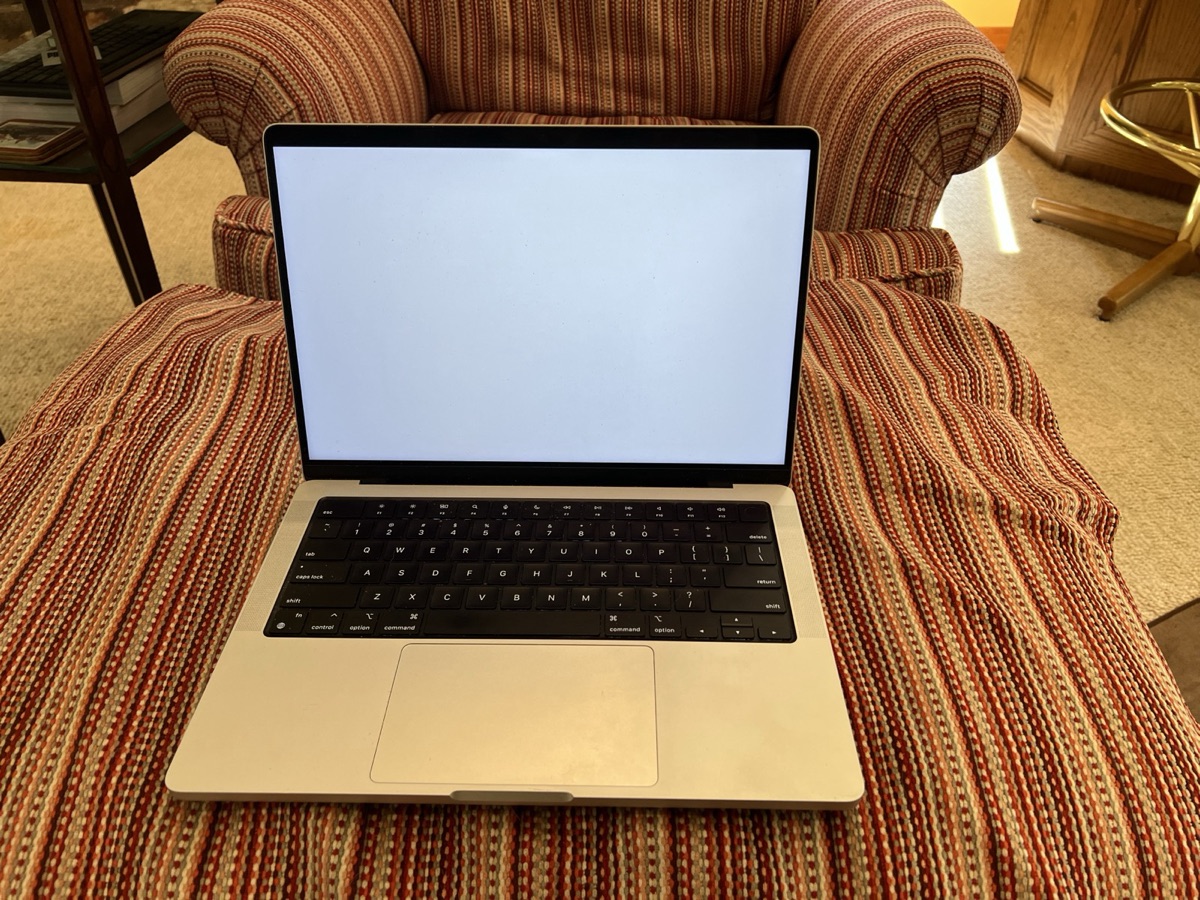
For 15 years Apple insisted a touchscreen laptop was a bad idea. That era looks like it is ending. Bloomberg's Mark Gurman reports that Apple is building its first touchscreen Mac - a completely redesigned MacBook Pro built around an OLED display - and that the 14-inch and 16-inch models are targeting a release window between late 2026 and early 2027. According to Gurman, the machine adds a touch layer, brings the iPhone's Dynamic Island to macOS for the first time, swaps the notch for a hole-punch camera, and gets a thinner, redesigned chassis. In a fresh twist, Gurman says Apple has cancelled its planned M6 Pro and M6 Max chips to fast-track a more powerful, AI-focused M7 generation, so the OLED MacBook Pro will launch on today's M5 Pro and M5 Max silicon, with M7 versions following as early as the end of 2027. Nothing is official - this is reporting, not an Apple announcement - but it points to the most dramatic Mac redesign in years. Inside: the full reported spec sheet, why a touchscreen Mac is such a reversal, what OLED and the Dynamic Island add, the chip shake-up, and how much to trust it.
Read more →
Jul 3, 2026, 9:14 AM ETTech
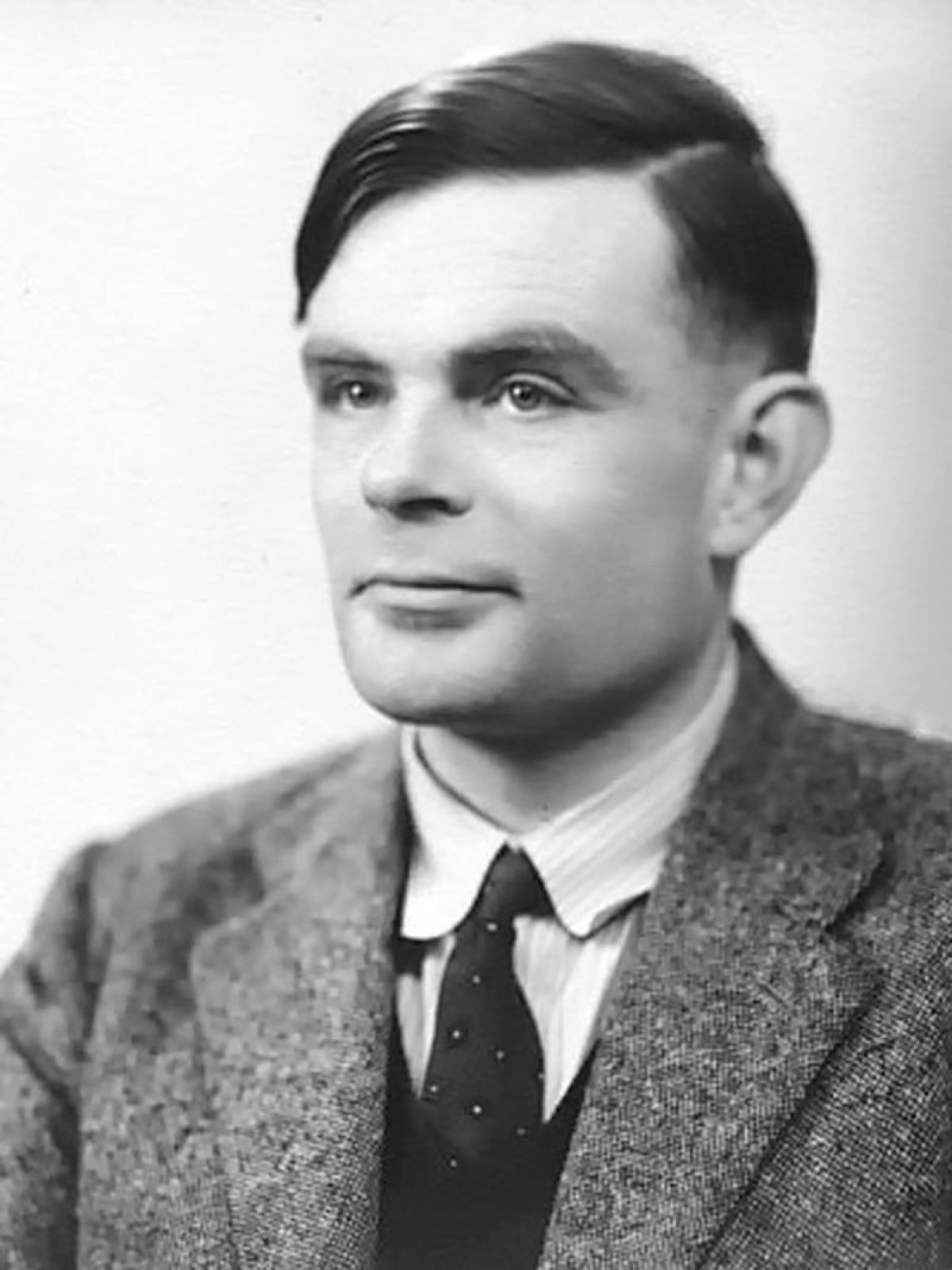
In 1936, a 23-year-old Cambridge mathematician named Alan Turing sat down to settle an abstract puzzle in pure logic - Hilbert's Entscheidungsproblem, the question of whether some mechanical procedure could decide the truth of any mathematical statement. To even pose the question precisely, he had to define what a mechanical procedure is. So he imagined a machine: an endless paper tape, a head that reads and writes one symbol at a time, and a tiny table of rules. That stripped-down device - now called a Turing machine - could, he proved, carry out any calculation a human following fixed steps could ever do. Then came the master stroke: a single universal machine that, fed a description of any other machine, could imitate it perfectly. One machine to run them all - the idea that split hardware from software and became the theoretical blueprint for every computer since. His answer to Hilbert was no - some questions no algorithm can ever settle - mapping the limits of computation before a single computer existed. This is a tribute to the paper that founded computer science.
Read more →
Jul 3, 2026, 5:14 AM ETHealth
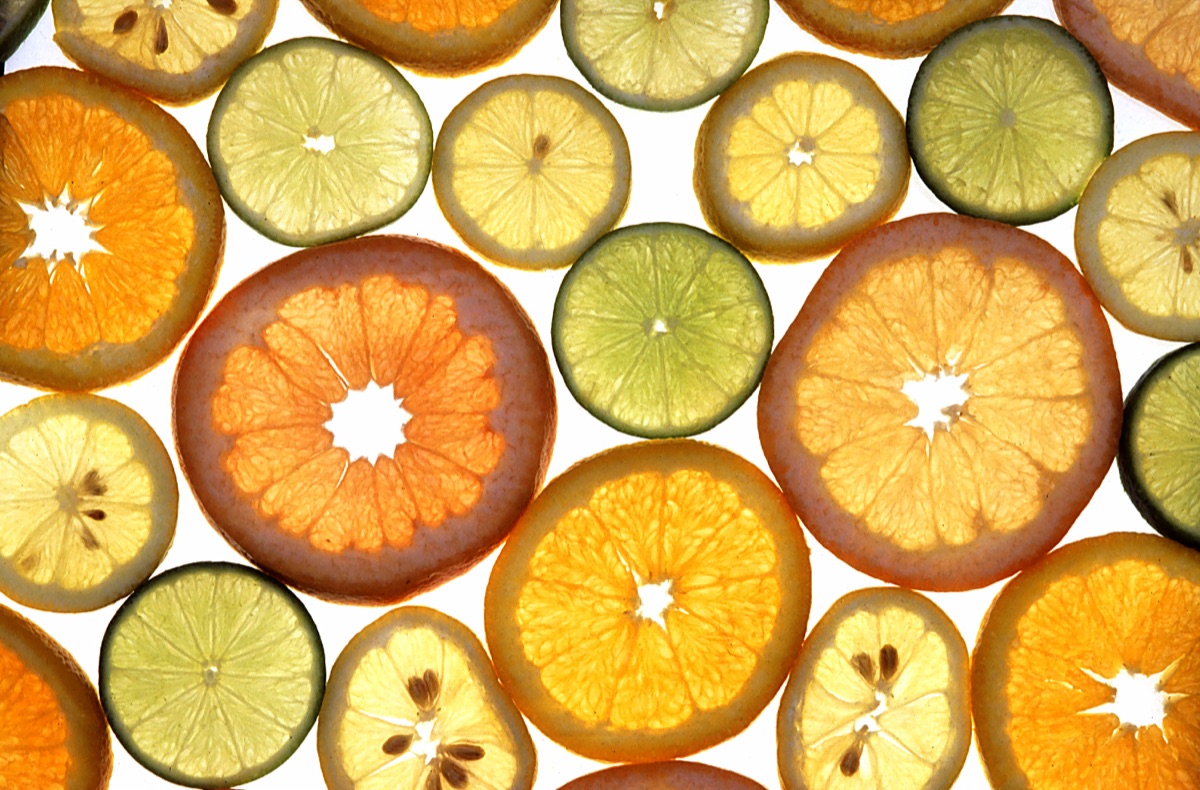
In one of the largest studies of its kind, researchers at Hirosaki University analyzed brain MRIs and fasting blood samples from 2,044 older adults (median age 69) in northern Japan and found that people with higher plasma vitamin C had more gray and white matter and stronger structural connectivity in the default mode network - the brain system tied to memory, attention, and sense of self that typically weakens with age. The link held after adjusting for age, sex, education, cognitive score, diabetes, hypertension, cholesterol, smoking, alcohol, and physical activity, and was strongest in the posterior cingulate cortex, a hub that often declines early in aging. Published in PLOS ONE on June 10, 2026, the study is correlational - it cannot prove vitamin C causes the effect - but because the brain actively concentrates vitamin C and the body cannot store much, it adds to the case that a steady, everyday supply of this simple nutrient may help the brain age well. Inside: the exact numbers, the network, the mechanism, the honest caveats, and how much vitamin C you actually need.
Read more →
Jul 3, 2026, 12:14 AM ETTech
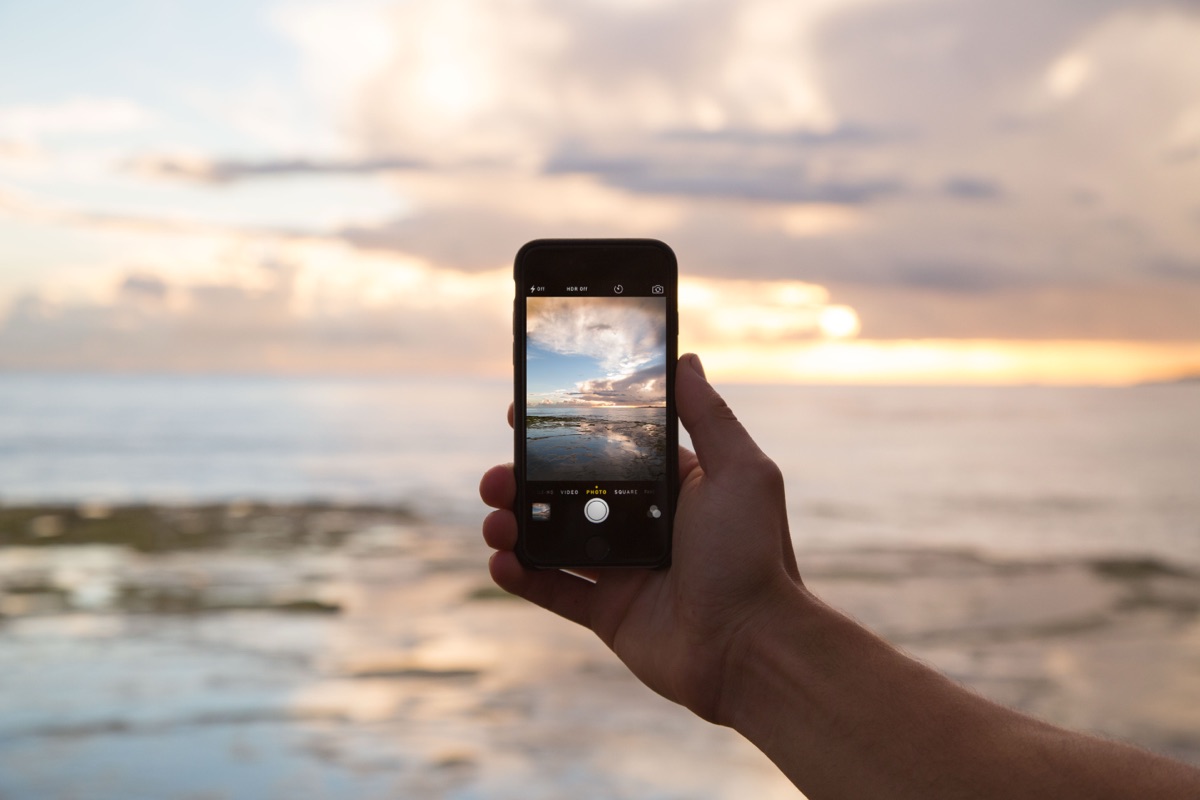
The 19th iPhone Photography Awards (IPPA) revealed its 2026 winners, and the results are a quiet love letter to the idea that the eye matters more than the gear. Photographer of the Year went to Robyn Jensen of the Cayman Islands for a breathtaking night shot - a volcano glowing beneath a field of stars - taken on an iPhone 15 Pro. But the story readers keep sharing is what people used to win: Gold went to a tender black-and-white frame shot on a 2017 iPhone X, an entire category was won on an iPhone 8 Plus, and honorable mentions came from phones as old as the iPhone 6s. Running since 2007 and drawing entries from more than 140 countries - shot on iPhone, edited only in mobile apps - IPPA keeps proving that a great photograph is about seeing, not spending. Here are the top winners, the phones behind them, and why it is one of the most encouraging stories in modern photography.
Read more →
Jul 2, 2026, 1:15 PM ETScience
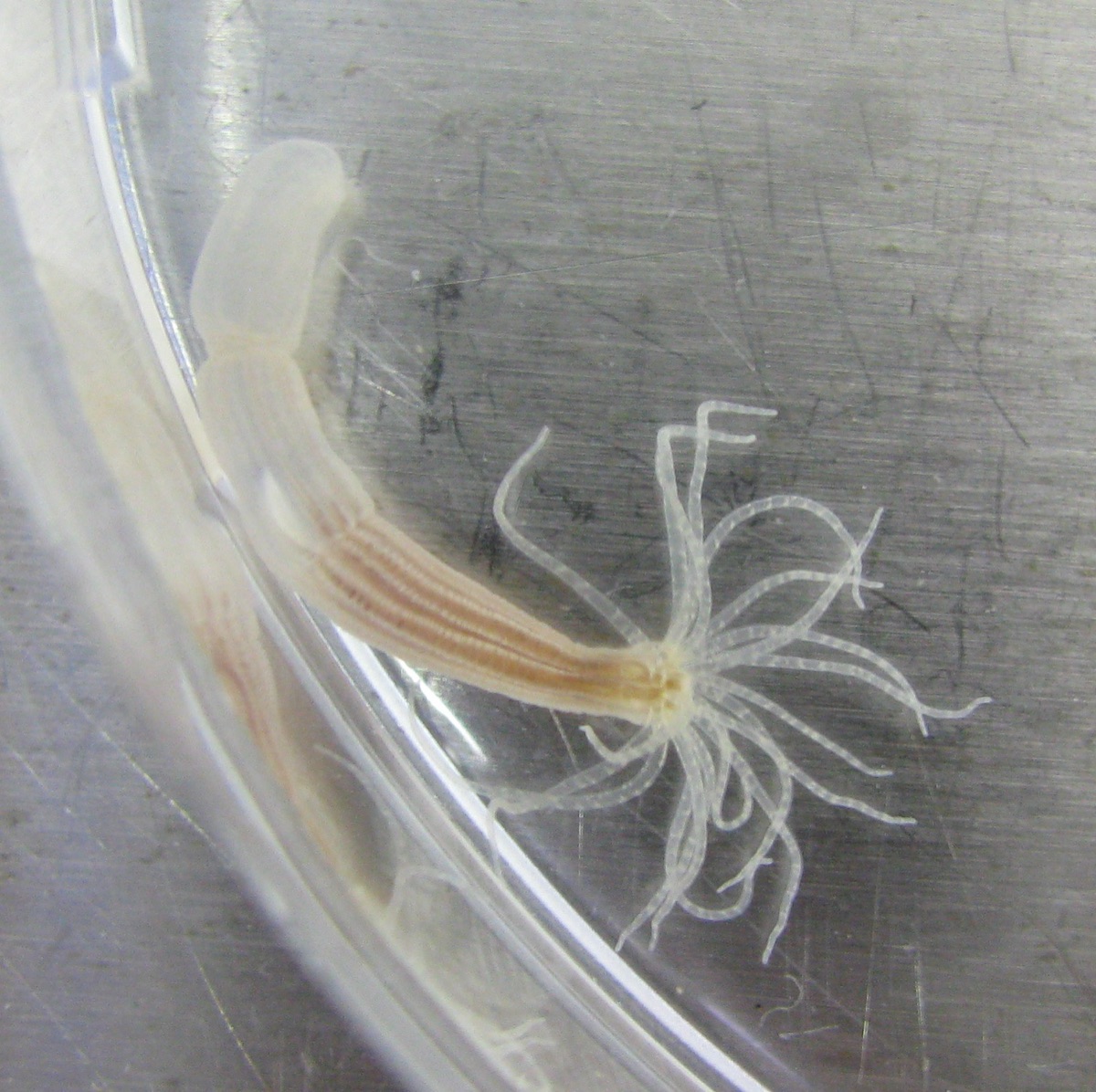
A protein in the starlet sea anemone (Nematostella vectensis) looks almost identical to MAVS - one of the keystone proteins of the human antiviral immune system - but does the opposite job. In us, MAVS switches antiviral defenses ON. In the anemone, the look-alike protein, named CARDIB, normally acts as a brake that suppresses immune signaling. The twist: when researchers at the Hebrew University of Jerusalem and UNC Charlotte used CRISPR to delete CARDIB, the anemones could no longer fight off viruses - infections spread and the defenses never fired. So a protein that dampens the system turns out to be essential for the system to work. Because sea anemones split from our branch of the tree of life more than 600 million years ago, they preserve evolutionary experiments long gone from the lineages leading to humans and mice - showing that biology found more than one blueprint for antiviral immunity. Published in Nature Ecology & Evolution (June 26, 2026).
Read more →
Jul 2, 2026, 9:14 AM ETTech
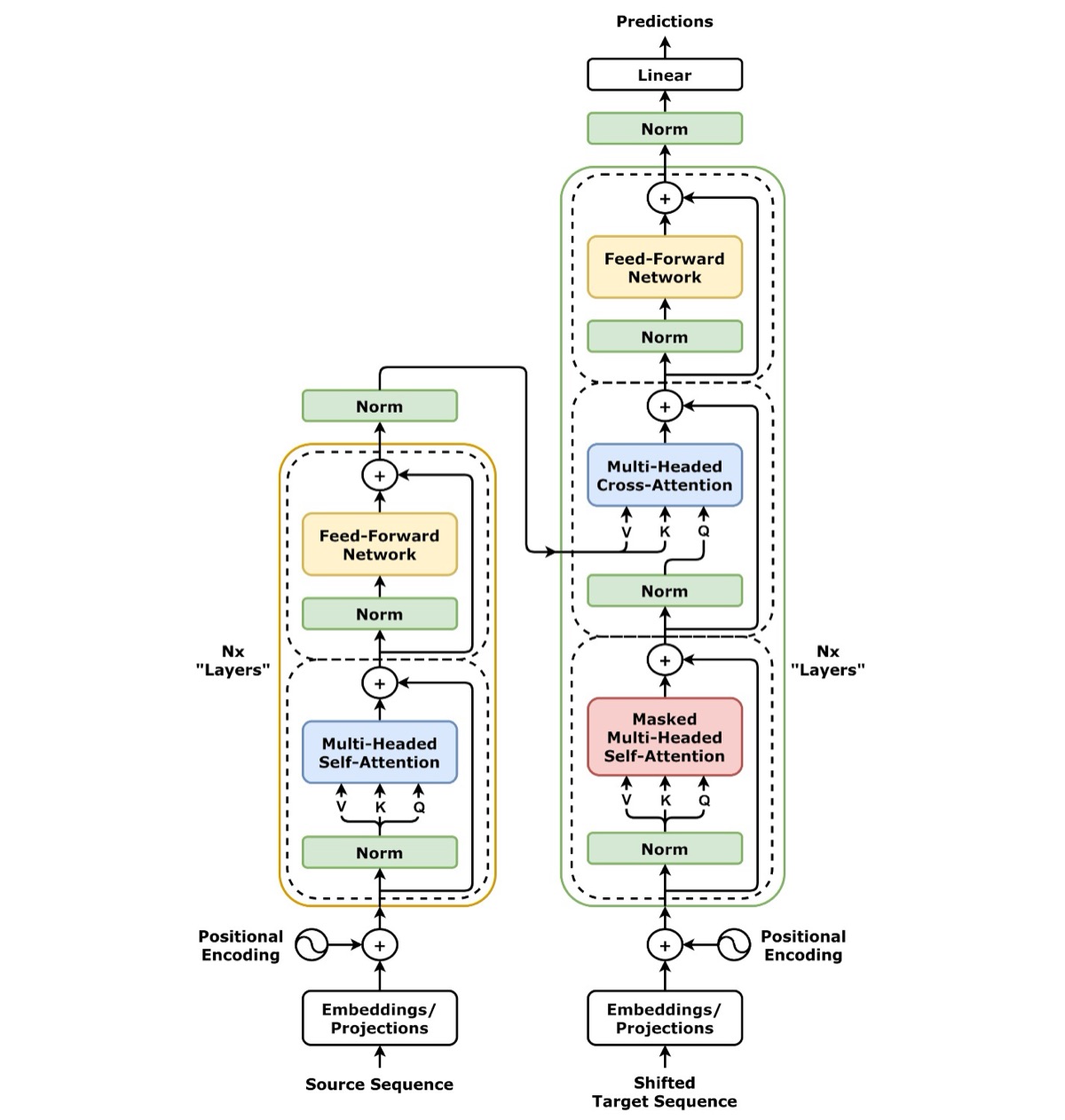
In June 2017, eight Google researchers published a paper with a playful title - Attention Is All You Need - and introduced the Transformer, the neural-network architecture that powers almost every modern AI. Its key move was to abandon reading text word-by-word (as RNNs and LSTMs did) in favor of self-attention: letting every word look at every other word at once and learn which ones matter. That made models faster to train, better at long-range meaning, and perfectly suited to GPUs. The Transformer set new machine-translation records (28.4 BLEU English-German) after just 3.5 days of training on eight GPUs - then turned out to be a universal engine for sequences of anything: BERT, the GPT family and ChatGPT, Claude, Gemini, Vision Transformers, DALL-E, Stable Diffusion, Sora, even AlphaFold. Cited over 250,000 times by 2026, it ranks among the ten most-cited papers of the century. A tribute to what it proposed, why it broke the field open, and the eight authors - who named it after a Beatles song and later left Google to build much of today's AI industry.
Read more →
Jul 2, 2026, 5:16 AM ETTech
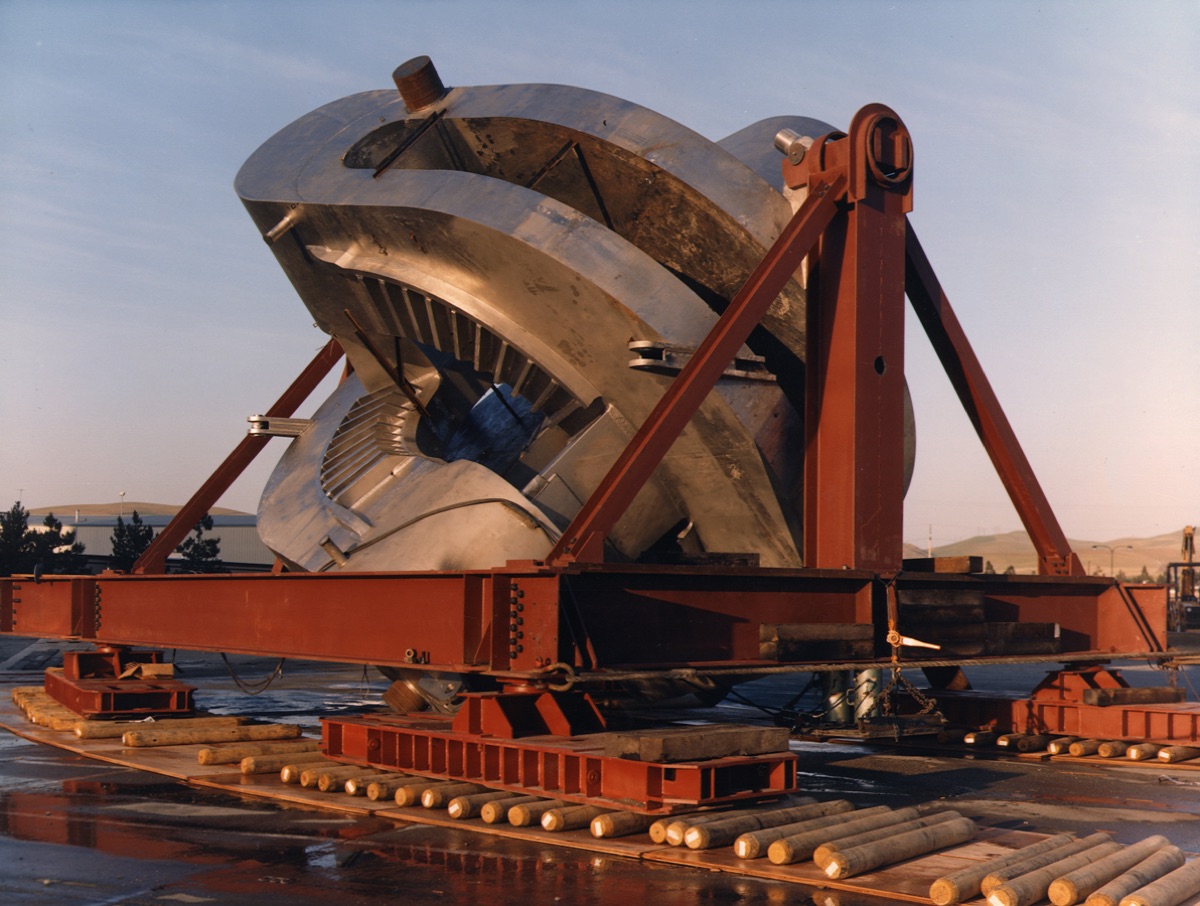
Realta Fusion, a University of Wisconsin-Madison spinout, says it is the first private fusion company to demonstrate direct energy conversion (DEC) - turning a plasma's charged-particle motion straight into electricity, with no steam and no turbine in between. On June 19, 2026, the team bolted a direct energy converter onto the end of WHAM, its experimental magnetic-mirror machine, and drew multiple amps at about 100 volts - enough to light several bulbs. The appeal: DEC can top 90% efficiency versus roughly 33% for the steam turbines behind today's power plants. The honest scope: WHAM does not yet burn deuterium-tritium fuel, so this run harvested the plasma's input energy rather than real fusion alpha particles, and it is not net electricity - a proof-of-concept of the converter, not a power plant. Inside: how DEC works, the numbers, why the magnetic-mirror design suits it, and what is still unproven.
Read more →
Jul 2, 2026, 12:15 AM ETTech

On June 30, 2026, Apple pushed a sweeping AI update across its Creator Studio apps. Final Cut Pro can now auto-generate styled captions and use Edit Detection to split a finished video back into its original clips, plus Auto Mask isolates skin, hair, sky, foliage, or clothing with no manual rotoscoping. Logic Pro ships a rebuilt Chord ID that reads extended chords and inversions - even from distorted or out-of-tune takes - and a new Producer Project from Grammy-winning producer Khris Riddick-Tynes. Pixelmator Pro adds text-to-image and natural-language vector shapes that reach into Keynote, Pages, Numbers, and Freeform. The through-line: the heavy AI runs on-device, so projects stay private and fast. On Mac the apps remain one-time purchases (Final Cut Pro $299.99, Logic Pro $199.99, Pixelmator Pro $49.99); the Creator Studio bundle across Mac and iPad is $12.99/month or $129/year.
Read more →
Jul 1, 2026, 1:13 PM ETTech
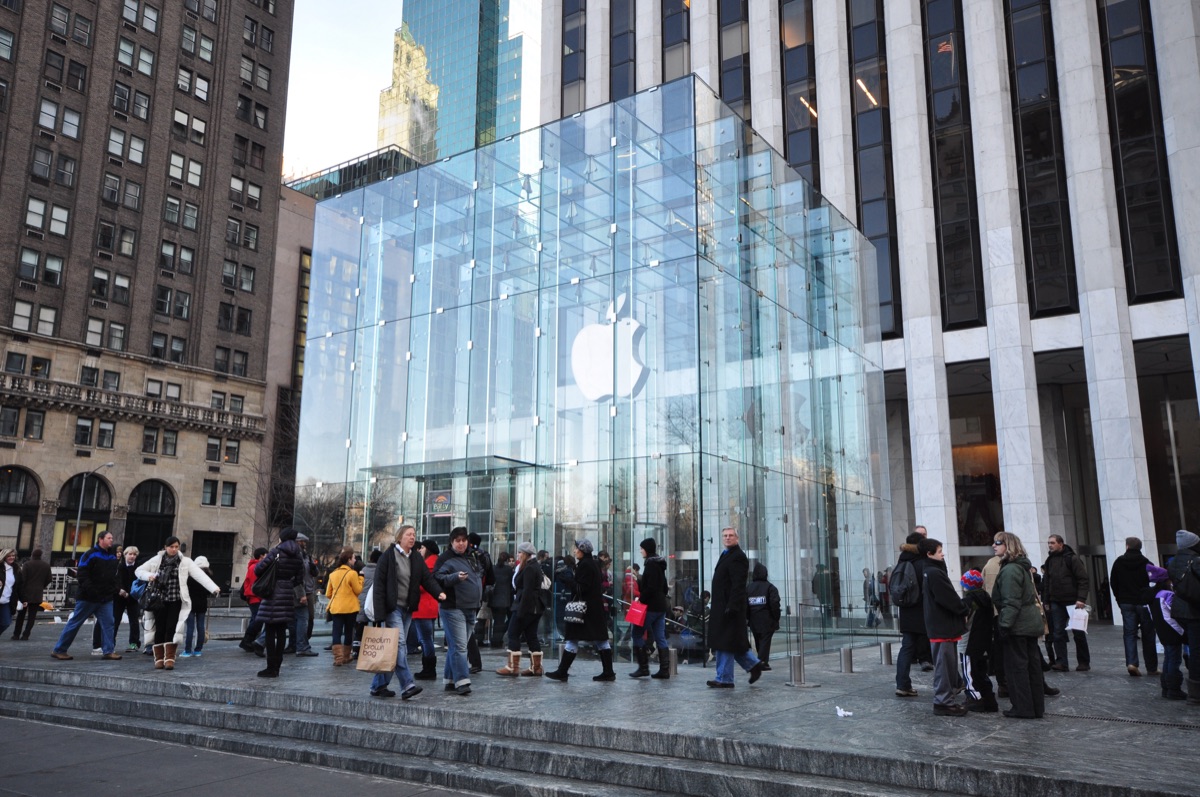
Apple revealed that the global App Store ecosystem facilitated about $1.4 trillion in billings and sales in 2025 - a record, and nearly triple its 2019 size. The headline number is huge, but the more remarkable part is where the money went: for more than 90% of that total, developers paid Apple no commission at all. The breakdown (from economists at Analysis Group): roughly $1.1 trillion in physical goods and services, $151 billion in in-app advertising, and $149 billion in digital goods and services. Add 850 million weekly visitors across 175 countries, AI apps growing their billings 4x faster than peers, and a marketplace where a solo developer and a global brand reach the same audience. Here is the full breakdown of the numbers, the category split, and what is driving the growth.
Read more →

 العربية
 Español
 中文
中文 Deutsch
 Français
 Português