News & Insights
Tech, AI, science & Apple news curated by Jerry Cards. Unlocking US digital content worldwide since 2009.
Jun 27, 2026, 5:15 AM ETTech
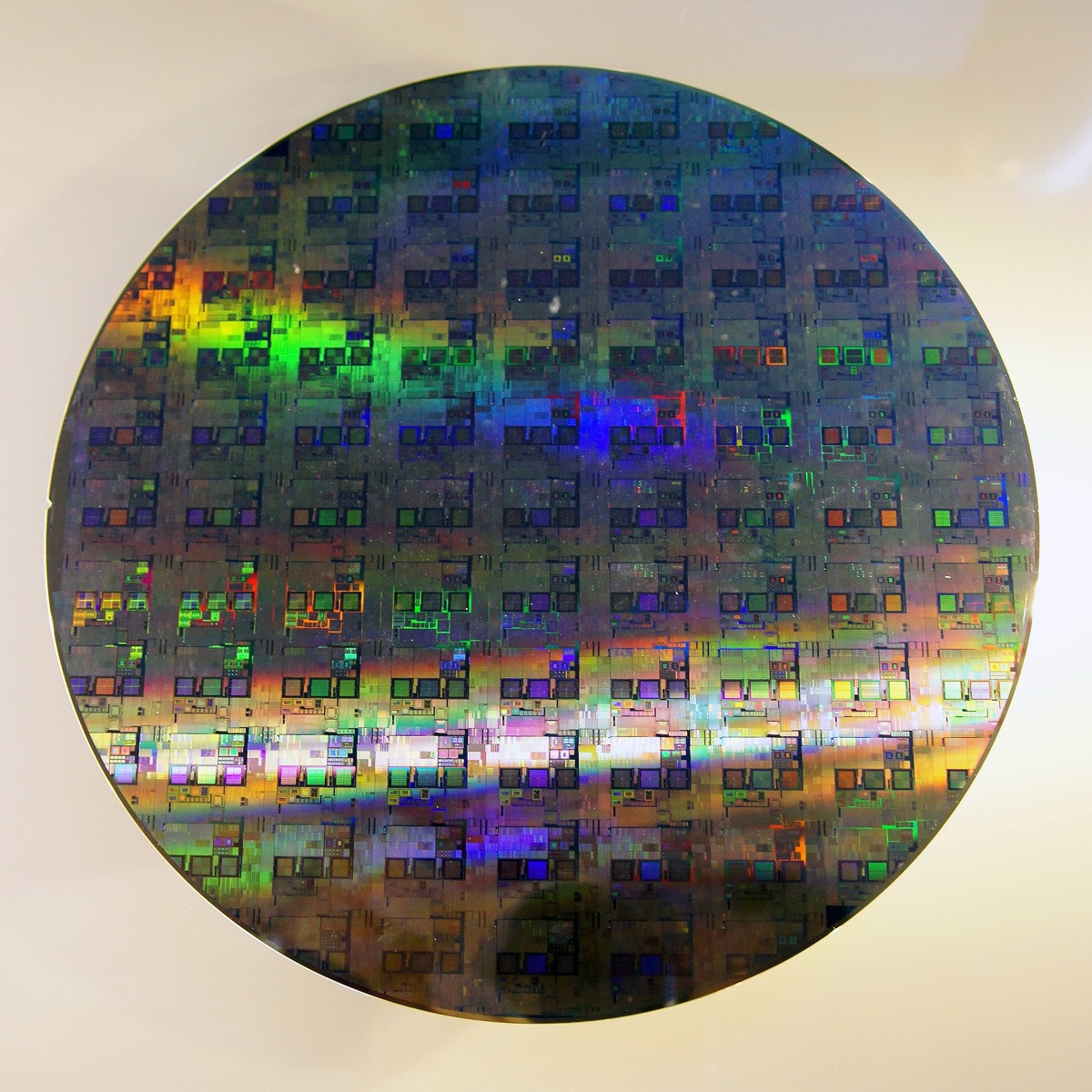
IBM has unveiled what it calls the world's first sub-1-nanometer chip technology: a 0.7nm (7-angstrom) node revealed on June 25, 2026 at the VLSI Symposium and developed at IBM's Albany NanoTech complex in New York. The breakthrough is a new three-dimensional architecture called NanoStack, which vertically stacks complementary transistors (a design known as CFET) to fit nearly 100 billion transistors onto a chip the size of a fingernail - roughly twice the density of the 2nm chip IBM unveiled in 2021. IBM reports up to 50% more performance or up to 70% greater energy efficiency versus that 2nm node, plus 40% denser SRAM for the on-chip memory that feeds AI workloads, and says the design maps at least another decade of scaling - a fresh lease on Moore's Law. Honest caveats lead the story: '0.7nm' is an industry naming convention, not a physical measurement, and this is a research milestone, with the earliest path to production roughly five years away. Full breakdown: what NanoStack is, the numbers versus 2nm, why it matters for AI and energy, and the road to the factory.
Read more →
Jun 27, 2026, 12:16 AM ETHealth

A teaspoon of glucose and a teaspoon of fructose carry the same calories - but the brain does not treat them the same. In a study published June 10, 2026 in Neuron, researchers at the Monell Chemical Senses Center mapped a dedicated gut-brain pathway that explains why: in mice, fructose triggers the gut hormone PYY, which travels up the vagus nerve (via the Y2 receptor) to only modestly quiet AgRP hunger neurons, while glucose switches those same neurons off far more strongly through a different route. Both sugars led mice to eat similar amounts short-term, but the gap in hunger-neuron signaling shaped which sugar they preferred - and high-fructose corn syrup quieted the hunger neurons more than pure fructose, and mice preferred it. A precise new map of how modern diets talk to the appetite system. First author Aaron D. McKnight; senior author Amber L. Alhadeff. (Mouse study; human relevance still to be confirmed.)
Read more →
Jun 26, 2026, 1:15 PM ETHealth
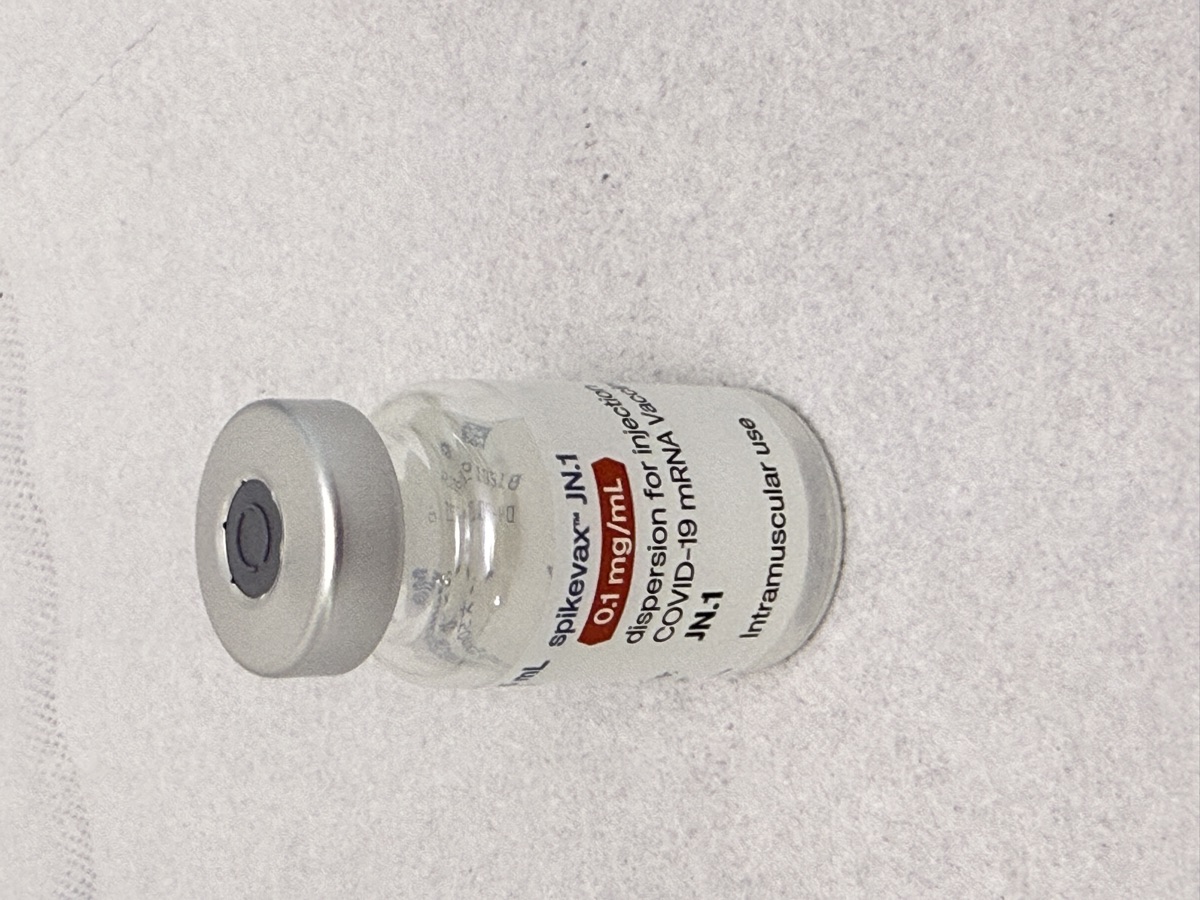
Scientists at the University of Cambridge and the University of Southampton, with the spin-out DIOSynVax, have reported the first human trial of a vaccine whose active ingredient was designed by artificial intelligence. Machine learning read the shared genetic code of an entire family of coronaviruses - the sarbecoviruses, which include the original SARS virus, the COVID-19 virus, and bat viruses with pandemic potential - and engineered a single synthetic super-antigen built from the features they all have in common. In a Phase 1 trial of 39 healthy adults, the needle-free DNA vaccine (pEVAC-PS) was safe, with no significant side effects, and triggered broad immune responses across the whole virus group. The goal is a future-proof vaccine that could protect against coronaviruses the world has not met yet. Published in the Journal of Infection (June 2026). It is an early, first-in-human result - safety and immune response, not yet proof it prevents disease - but a genuine proof of concept for designing vaccines on a computer.
Read more →
Jun 26, 2026, 5:16 AM ETScience
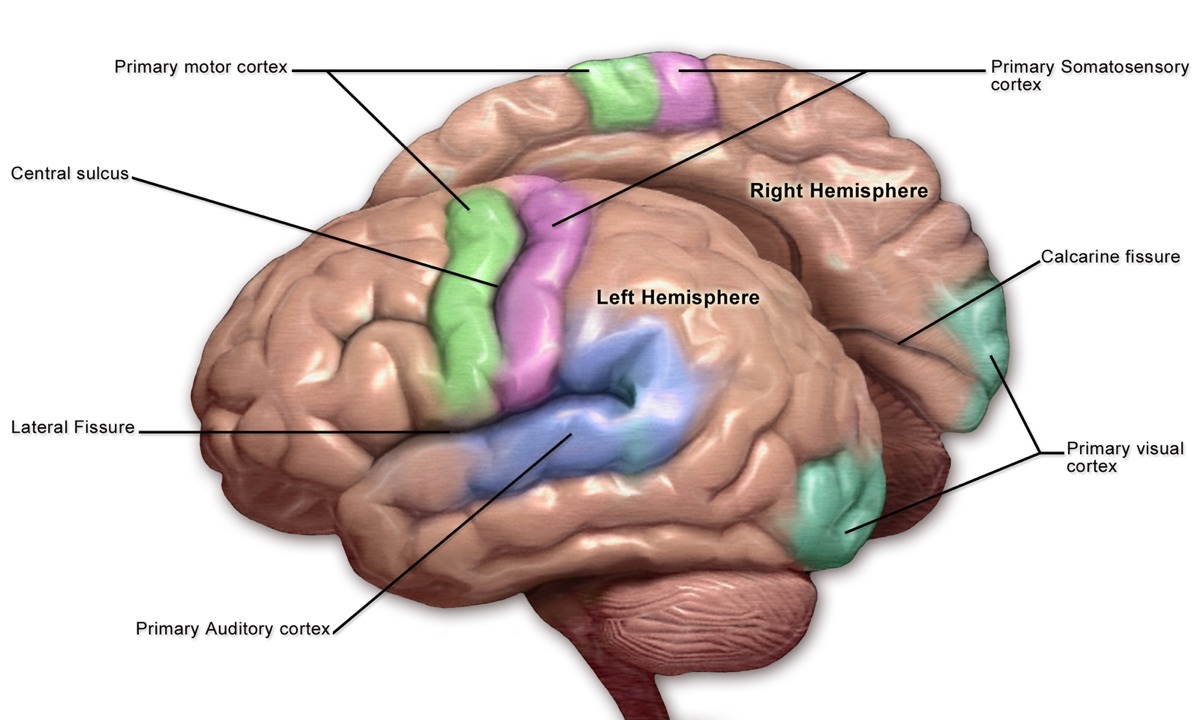
A 2026 study in PNAS from McGill University and Yale challenges a century-old assumption about how we learn to talk. Researchers used real-time altered auditory feedback to teach volunteers a new way of speaking, then used transcranial magnetic stimulation (TMS) to briefly disrupt one brain region at a time. Knocking out the auditory cortex or the somatosensory cortex erased the next-day memory of the newly learned speech pattern - but knocking out the motor cortex did almost nothing. The takeaway: the brain stores freshly learned speech movements in its sensory maps (what you hear, and how your mouth feels), not in the motor areas that move the lips and tongue. It is a hopeful re-map for speech therapy, stroke rehabilitation, and the next generation of brain-to-speech devices.
Read more →
Jun 26, 2026, 12:16 AM ETHealth

In a randomized controlled trial of 90 healthy older adults, researchers at the Universita Cattolica del Sacro Cuore in Milan tested something that, on paper, should not work: an open-label placebo - a sugar pill people were openly told was inert, with no active ingredient. Over three weeks, the honest-placebo group reported significantly lower perceived stress than both a do-nothing control group and a group secretly deceived into thinking they were taking a multivitamin, and showed gains in short-term memory and physical-performance scores. The takeaway is quietly remarkable: the mind-body benefit of taking a pill does not seem to require the lie. Full breakdown - the design, the exact results, why an honest placebo can work, what it means for healthy aging, and the honest limits of a small first study.
Read more →
Jun 25, 2026, 1:17 PM ETScience
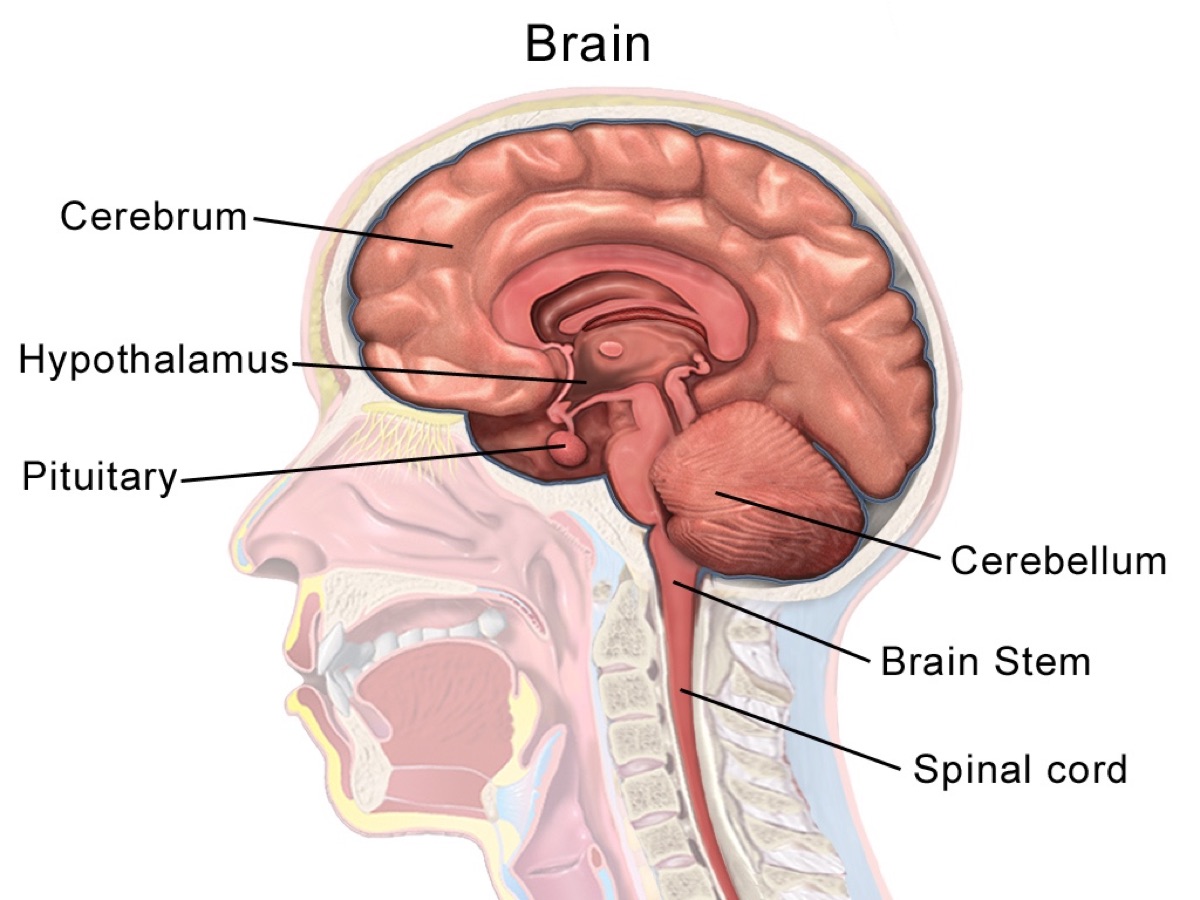
Johns Hopkins neuroscientists have pinpointed a tiny cluster of inhibitory neurons in an evolutionarily ancient part of the brainstem that acts as the brain's built-in focus filter - the switch that lets you lock onto what matters and tune out everything else. In mice trained on a visual attention task, briefly silencing these neurons made the animals hyper-distractible, unable to ignore even faint distractions; switching them back on the next day fully restored their focus, even against strong distractions. The circuit is shared across birds, fish, turtles and frogs - meaning attention is far older than the human cortex usually credited with it - and the same hallmark (faint distractors hijacking attention) defines ADHD, making the neurons a hopeful new target. Published in Nature Communications, June 24, 2026.
Read more →
Jun 25, 2026, 5:16 AM ETScience
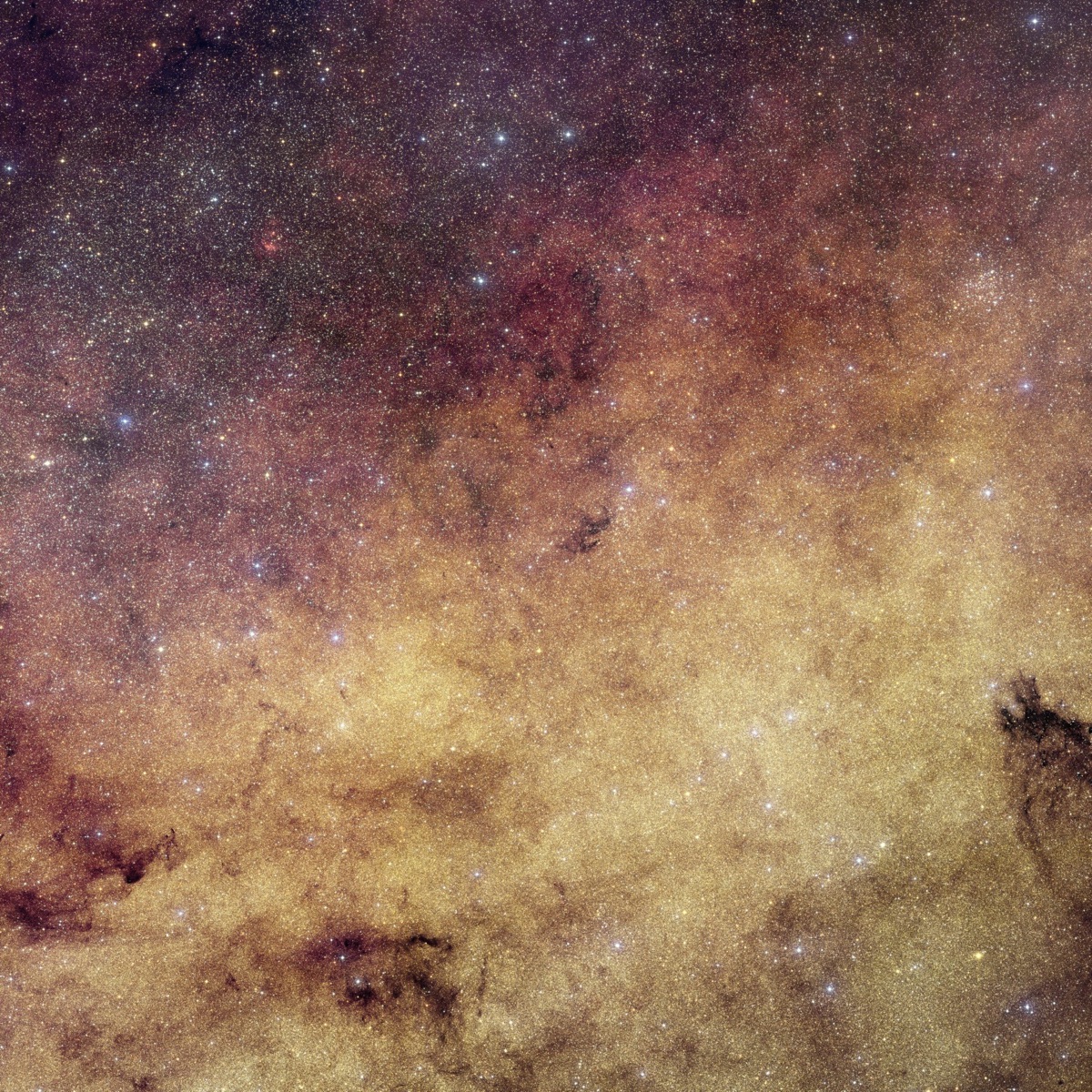
On 24 June 2026, the European Space Agency released the largest and most detailed visible-light image ever taken of the Milky Way's center, captured by the Euclid space telescope. In a single ~26-hour observation on 23 March 2025, Euclid imaged more than 60 million stars in the galaxy's crowded bulge (~26,000 light-years away) as a 324-megapixel mosaic of nine 'pointings'. The picture is more than a portrait: 51 known planetary systems already sit inside the frame, and the field is a proving ground for finding cold, distant worlds by gravitational microlensing - the same crowded region NASA's Roman Space Telescope will soon survey, now with a Euclid 'before' map to lean on. Built to study dark matter and dark energy in far-off galaxies, Euclid turned, for one day, on the one galaxy we can never photograph from the outside.
Read more →
Jun 25, 2026, 12:15 AM ETScience
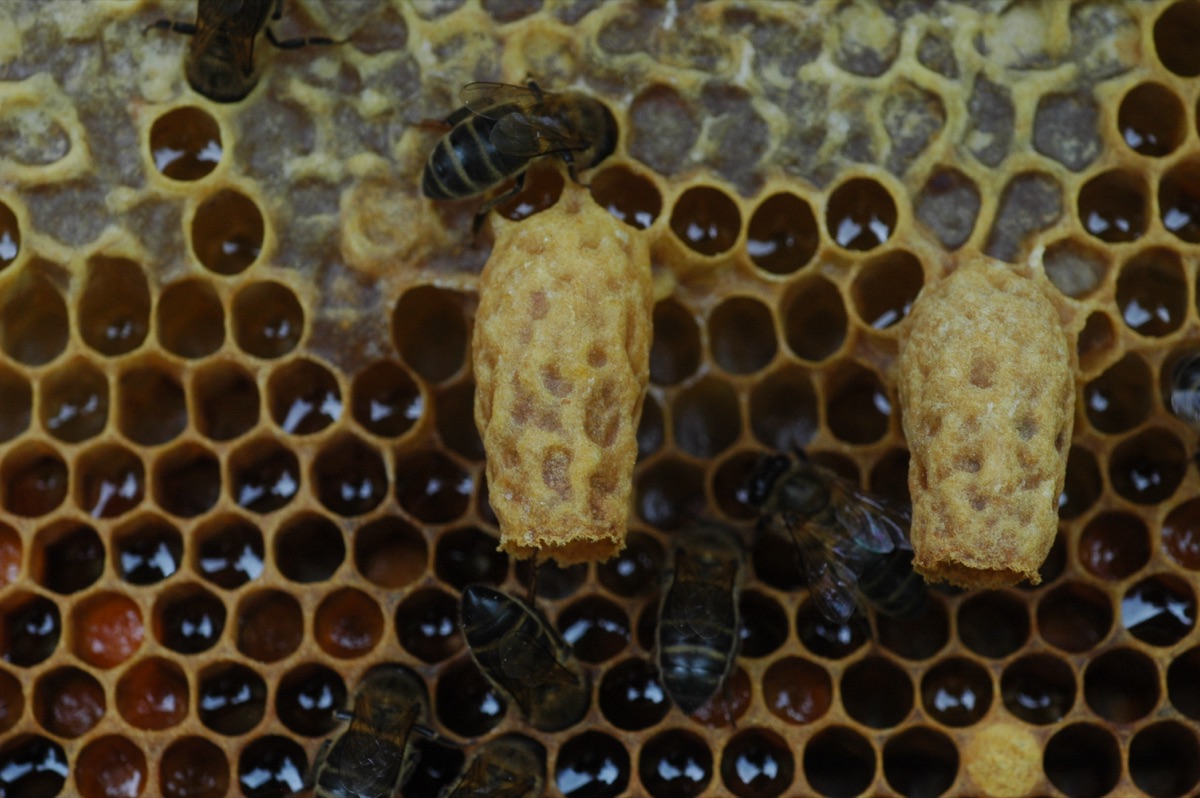
A queen bee and an ordinary worker hatch from the same kind of egg - so what turns one into royalty? For a century the answer was diet: a chosen larva flooded with royal jelly becomes a queen. A new study in Nature (DOI 10.1038/s41586-026-10534-3) from UC Riverside and the Chinese Academy of Agricultural Sciences shows that is only half the story. The colony also builds the future queen a custom nursery: a dedicated crew of young workers gathers and reworks a special wax - less dense, better at holding heat and moisture, chemically distinct - and warms it with a fever-like rise in their own body temperature. Bees laced with graphite proved the workers selectively source and transform the wax. The clincher: larvae fed the very same royal jelly but raised in ordinary worker wax came out smaller and were more likely to die. A queen, it turns out, is made by where she lives, not just what she eats.
Read more →
Jun 24, 2026, 1:16 PM ETScience
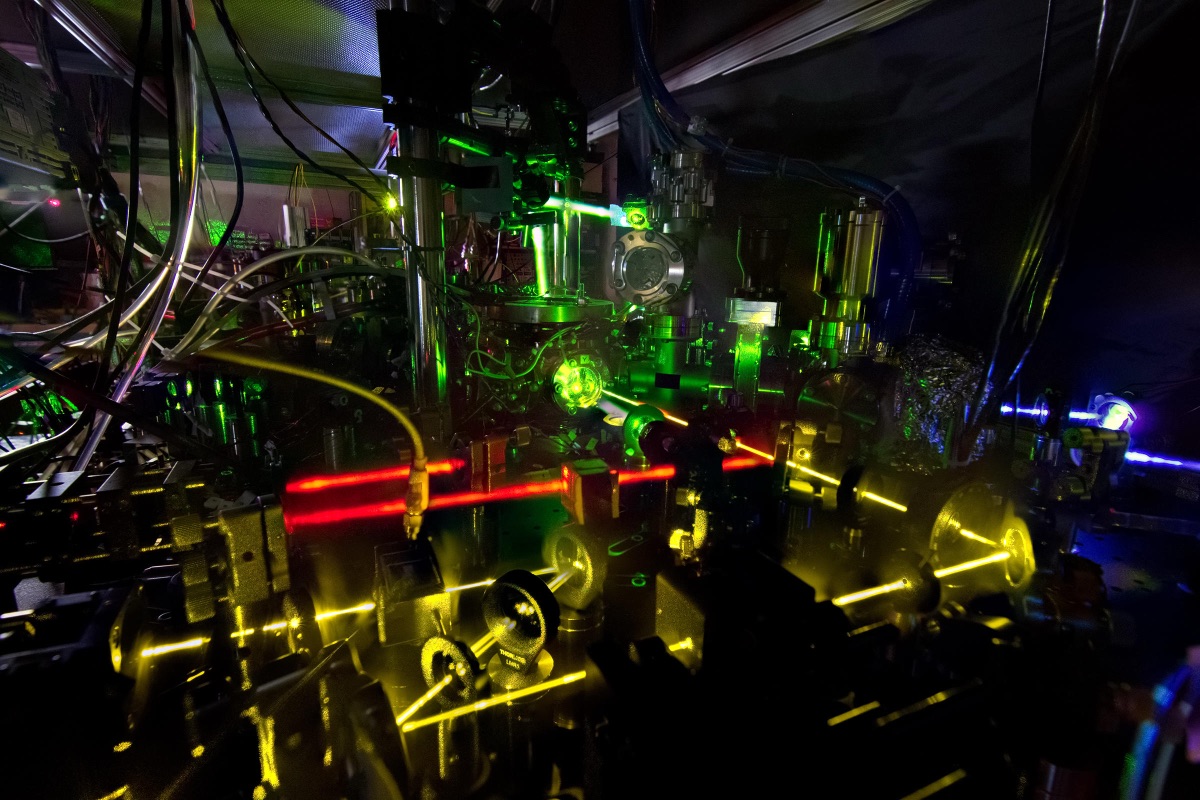
Physicists have done something they chased for more than 20 years: built a clock that keeps time using the nucleus of an atom instead of its electrons. In June 2026, two independent groups - Thorsten Schumm's team at TU Wien in Vienna and Shiqian Ding's team at Tsinghua University in Beijing - reported the first thorium-229 nuclear clocks actually running, locking a laser to the nucleus with a feedback loop (the last missing ingredient that turns a measurement into a working clock). Thorium-229 is the one atomic nucleus with an energy step so low (about 8.4 electron-volts, ~148-nanometre ultraviolet light) that a laser can drive it. The Vienna clock is heading toward a stability of roughly one part in a thousand trillion over a day; the Beijing clock reached about one part in ten trillion. Because a nucleus is thousands of times smaller than the atom around it and shielded by its own electrons, a nuclear clock could be far more rugged and portable than today's best clocks - and an exquisitely sensitive new probe for dark matter and for whether the constants of nature truly hold still. Inside: how it works, why thorium-229 is special, and what it unlocks.
Read more →
Jun 24, 2026, 5:18 AM ETScience
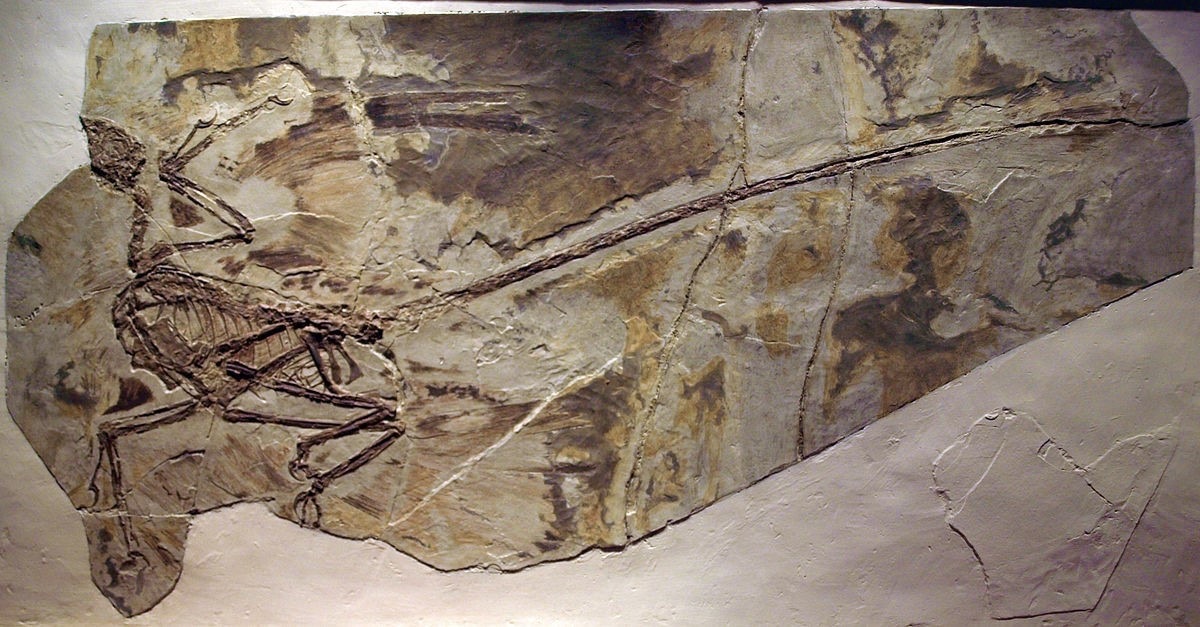
Paleontologists have named a new feathered dinosaur, Jian changmaensis, from a single 120-million-year-old wing unearthed in the Changma Basin of northwestern China. It is a microraptorine - a small, four-winged cousin of Velociraptor whose long arm and leg feathers likely let it glide between trees like a flying squirrel. The find matters because of where it was: a fossil site that has yielded more than 100 exquisitely preserved Early Cretaceous birds, alongside strange clusters of crushed, pellet-like bird bones that resemble the regurgitated pellets of modern owls and hawks. Jian is the first and only non-avian dinosaur found there, a carnivore far larger than anything else at the site - making it the leading suspect for the predator that left those pellets. Because the holotype is essentially one wing, the team named it after the Jian, a one-winged bird of Chinese myth. Published in the Annals of Carnegie Museum (Jun 4, 2026), it extends the known range of four-winged gliders roughly 2,000 km across China and opens a window on the world the ancestors of today's birds actually lived in.
Read more →
Jun 24, 2026, 12:15 AM ETScience
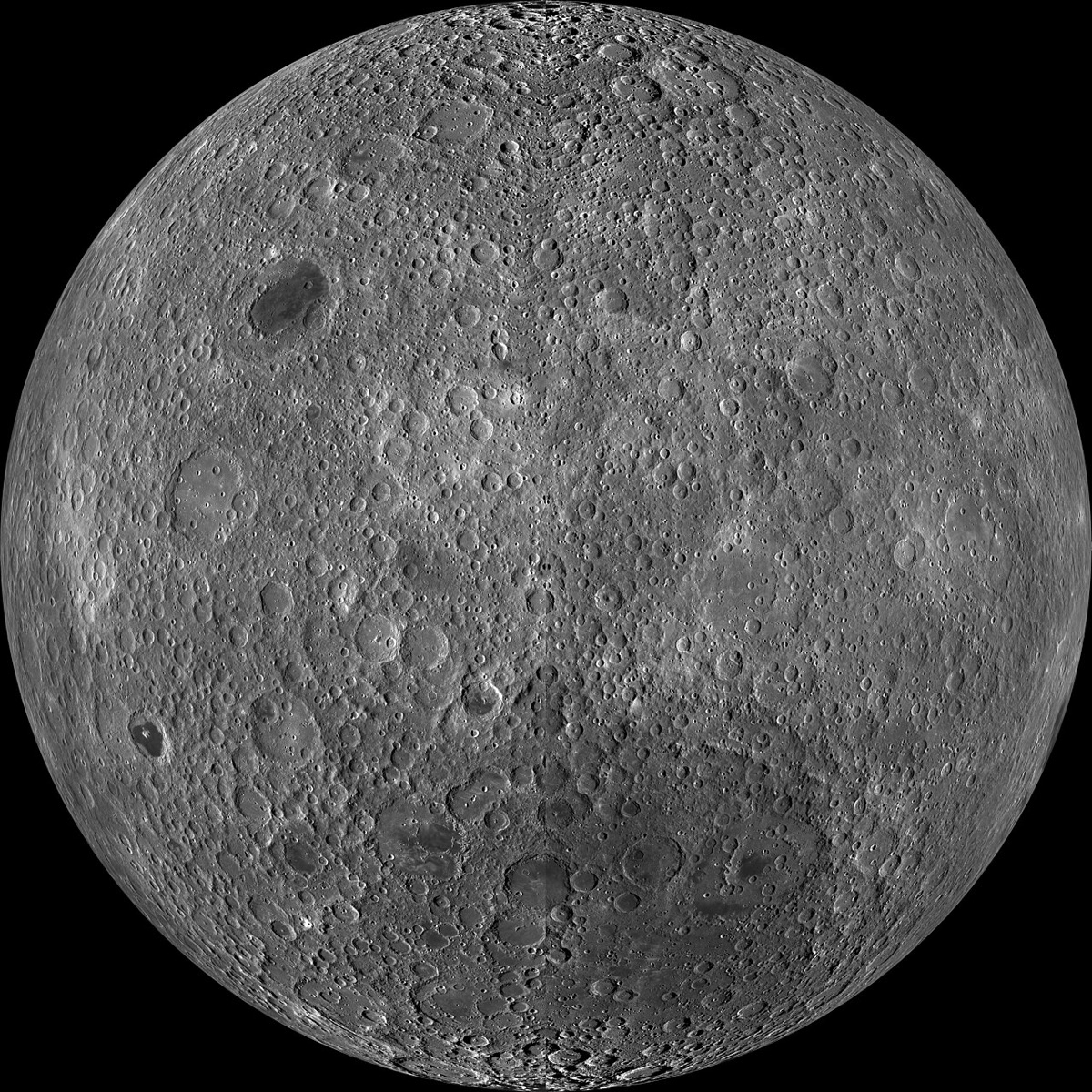
Two studies spotlighted this month by the Southwest Research Institute reconstruct the colossal impact that carved the Moon's South Pole-Aitken (SPA) basin - at roughly 2,500 km (1,550 miles) across, the largest and oldest crater on the Moon and the biggest confirmed impact basin in the solar system. Simulations (Science Advances; lead author Shigeru Wakita, Purdue) show a differentiated, iron-cored object the size of a small protoplanet struck from the north at a shallow angle about 4 billion years ago, giving the basin its elongated, tapered shape and blasting material from deep inside the Moon - including the lunar mantle - across the surface. A companion gravity study (Journal of Geophysical Research: Planets; lead author Gabriel Gowman, University of Arizona), built from NASA's GRAIL and Lunar Reconnaissance Orbiter data, maps that mantle-rich rock through the basin and its ejecta - and finds some of it should sit within reach of the south-pole sites being weighed for upcoming Artemis landings. If a crew picks up the right rock, it could be the first confirmed sample of the lunar mantle ever collected, and the first direct test of how the Moon - and rocky planets like Earth - were forged.
Read more →
Jun 23, 2026, 1:14 PM ETScience
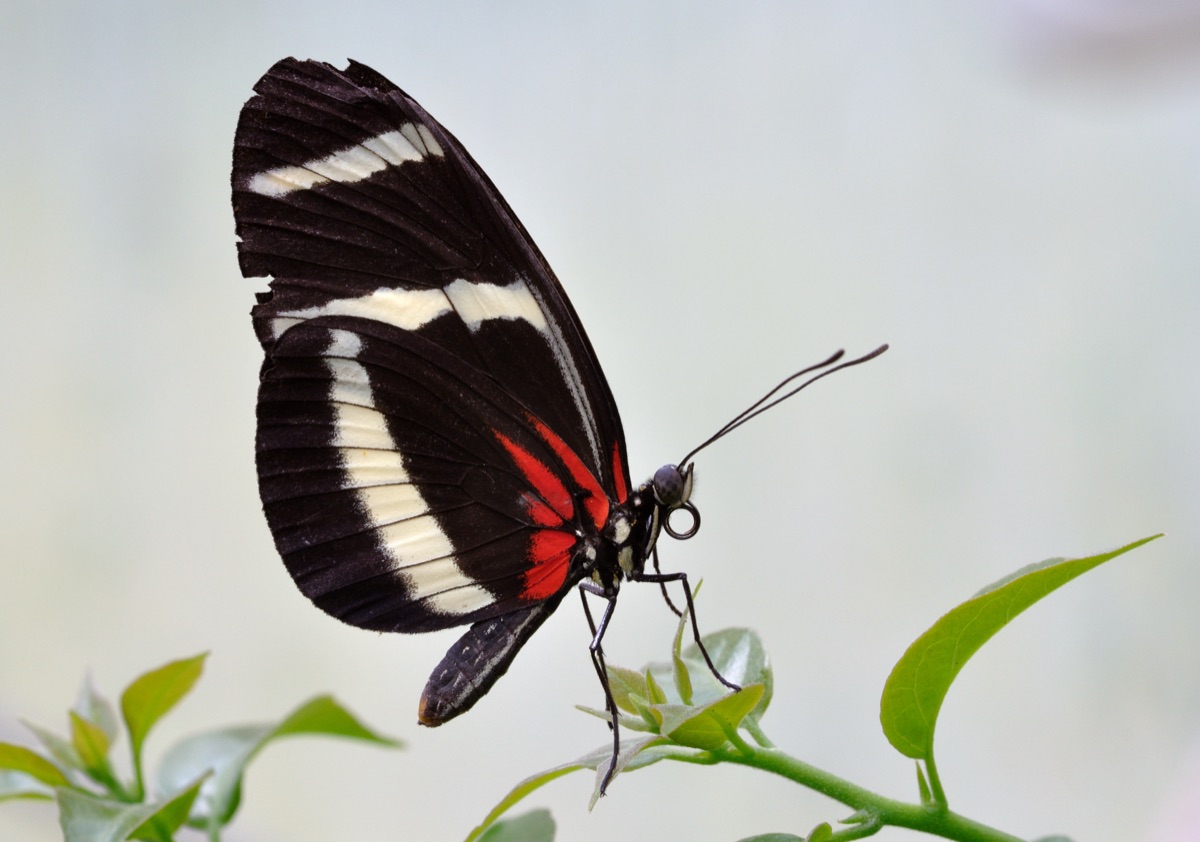
Most butterflies live only a few weeks as adults. A new study in Nature Communications (June 16, 2026), led by Dr Jessica Foley at the University of Bristol with the Smithsonian Tropical Research Institute, shows that one tropical group - the Heliconius longwings - evolved to do something remarkable: they live far longer AND age far more slowly than their close relatives. The longest-lived species, Heliconius hewitsoni, reached 348 days (nearly a year); a short-lived cousin, Dione juno, lasted just 14 - a 25-fold gap in maximum lifespan within a single butterfly tribe. Pollen-feeding Heliconius averaged about 177 days versus ~57 for non-pollen-feeders. And they barely age: in grip-strength tests, Heliconius hecale showed no measurable decline in old age, while its relative Dryas iulia weakened. Their edge starts with a unique diet - Heliconius are the only butterflies known to collect and digest pollen for amino acids - but even without pollen they still outlived relatives, meaning slow aging is written into their biology. Scientists now see them as a natural experiment for decoding how lifespan is extended.
Read more →

 العربية
 Español
 中文
中文 Deutsch
 Français
 Português