News & Insights
Tech, AI, science & Apple news curated by Jerry Cards. Unlocking US digital content worldwide since 2009.
Jul 10, 2026, 5:17 AM ETScience
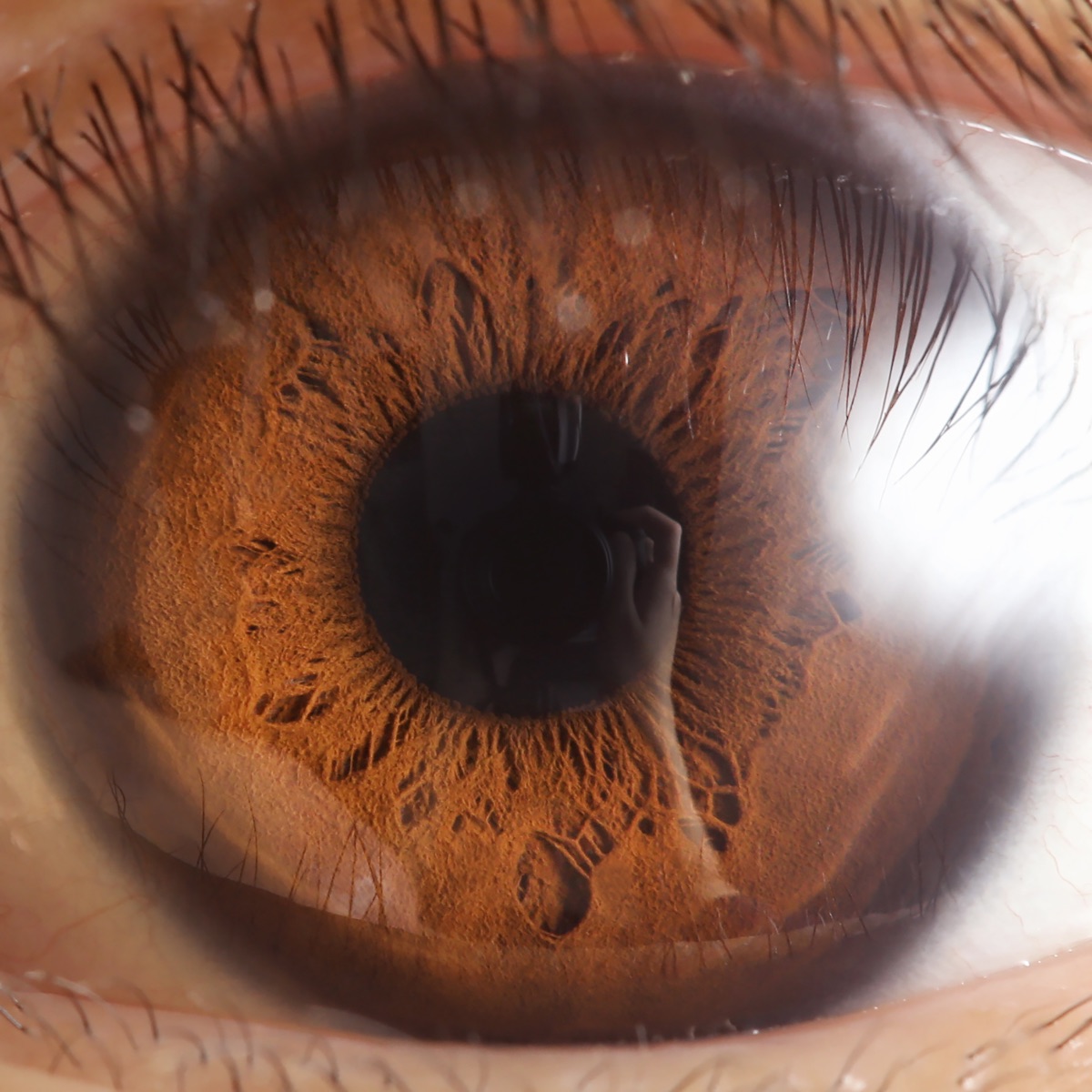
The center of your vision is built by cells that change their identity. In a study published in the Proceedings of the National Academy of Sciences on February 13, 2026, Johns Hopkins biologists led by Robert J. Johnston Jr. (first author Katarzyna A. Hussey) showed that the foveola - the tiny pit at the retina's center responsible for roughly half of what we consciously see - assembles its dense, red-and-green cone mosaic not by shuffling cells into position, as long assumed, but by reprogramming one cone type into another before birth. Growing human retinal organoids in a dish and tracking them for months (checked against donated human retinal tissue), the team found blue (S) cones briefly appear in the developing foveola around weeks 10-12, then convert into red and green (L/M) cones by about week 14. Two chemical signals run the show: retinoic acid, a vitamin A derivative locally destroyed by the enzyme CYP26A1, first limits new blue cones; then thyroid hormone, locally switched on by the enzyme DIO2, drives the leftover blue cones to become red and green. Because the foveola is the first region to fail in macular degeneration, understanding how it is built is a step toward growing made-to-order photoreceptors to one day restore lost sight.
Read more →
Jul 10, 2026, 12:14 AM ETScience
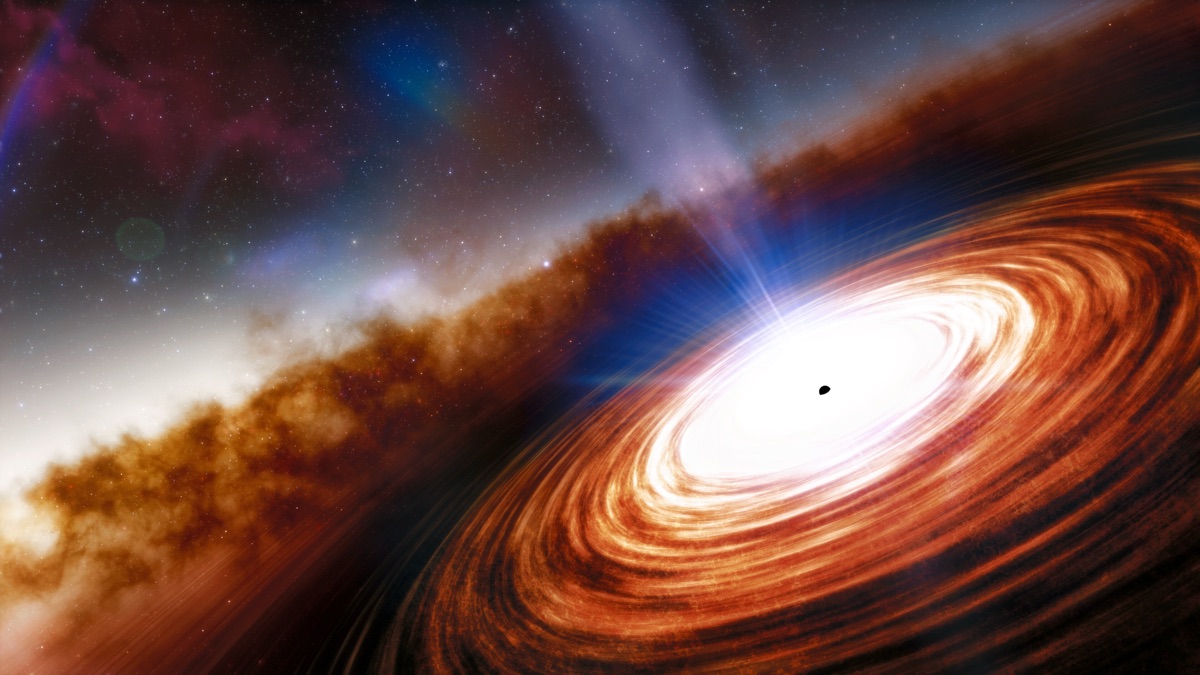
Europe's Euclid space telescope has shattered a cosmic distance record. In a study published in Astronomy & Astrophysics on July 6, 2026, astronomers report 31 newly discovered quasars - supermassive black holes blazing at the centres of the universe's first galaxies - dating to the first billion years after the Big Bang. The most distant, EUCL J172902.75+641018.1, sits at redshift 7.77: its light set out roughly 670 million years after the Big Bang, when the cosmos was just about 5% of its present age, edging out the previous record-holder (the 2021 quasar J0313-1806) by around 15 million years. The haul more than doubles the number of known quasars from this ancient epoch - a decade of searching had turned up only about ten at redshift 7 or beyond, and Euclid found more than that in a single year. Here is what these ancient lighthouses are, how a telescope built to map the dark universe found them, and why they sharpen one of cosmology's best puzzles: how black holes grew so enormous so fast.
Read more →
Jul 9, 2026, 1:19 PM ETTech
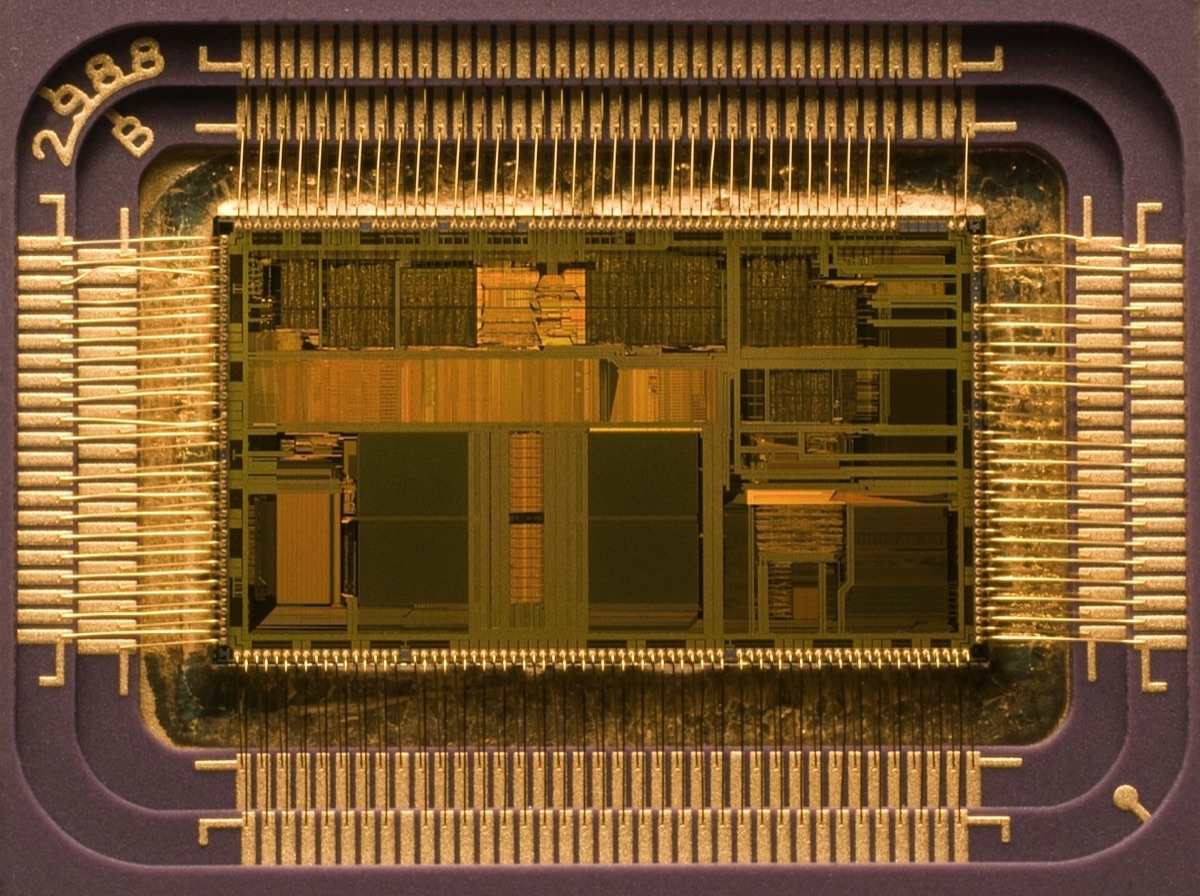
A Harvard team has done something odd and rather beautiful: they took a silicon chip originally built to eavesdrop on the electrical chatter of living neurons and taught it to write DNA. In a study published in Nature Electronics (June 17, 2026; DOI 10.1038/s41928-026-01662-9), Donhee Ham's lab used tiny concentric ring electrodes to grow 64 different DNA strands side by side on the chip's surface - in plain water, with no toxic solvents - and even encoded a 169-byte line of text into the molecules. It roughly quintuples the previous record for parallel enzymatic synthesis (~12 strands) and points to two futures: greener DNA manufacturing for medicine and synthetic biology, and, further out, using DNA itself as an ultra-dense archive for the world's data.
Read more →
Jul 9, 2026, 9:19 AM ETScience
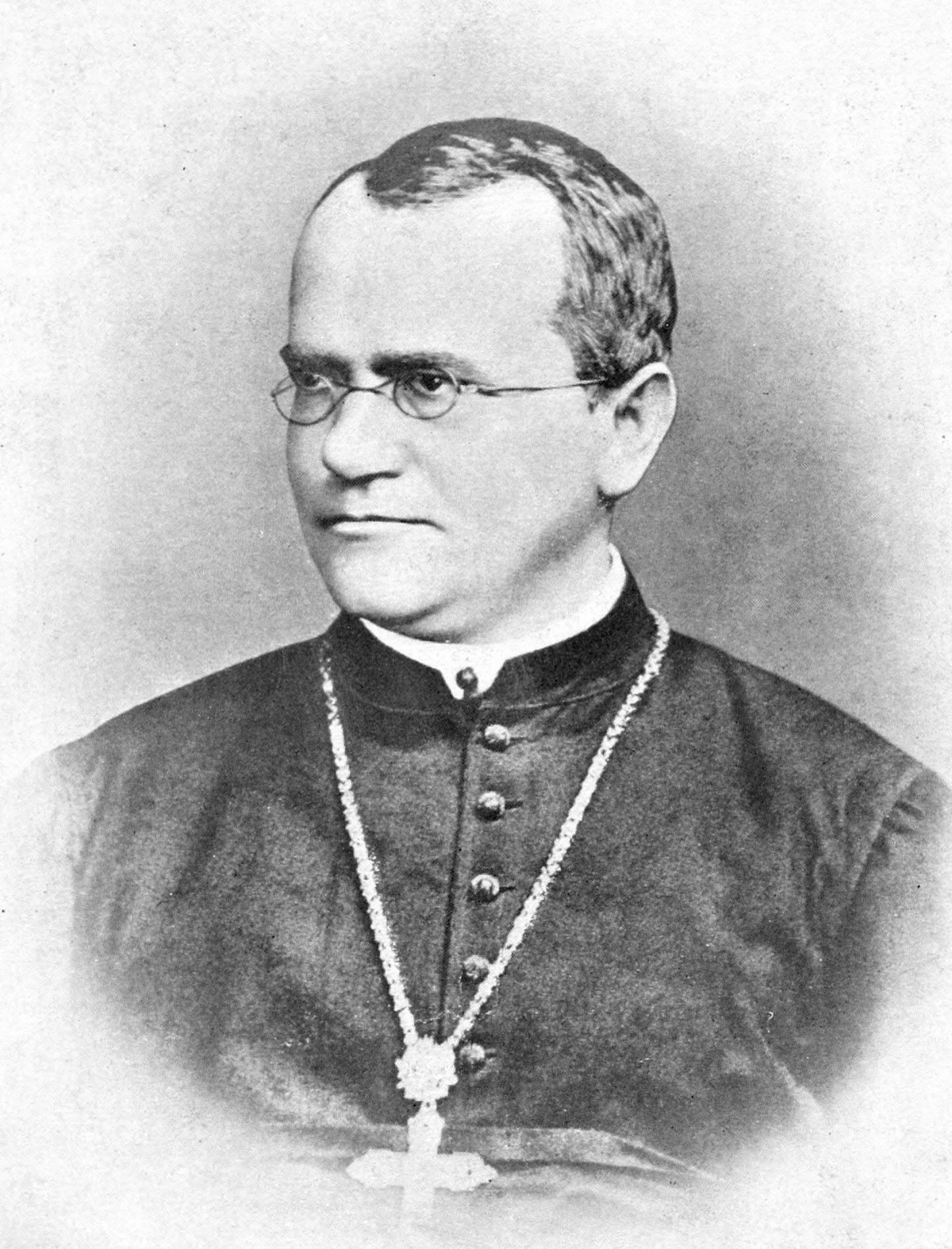
In 1866, an Augustinian friar named Gregor Mendel published a quiet paper on pea plants in an obscure regional journal in Brno - and, without anyone noticing, founded the science of genetics. Over eight years he had cultivated and tested some 28,000 plants, tracking seven simple either/or traits across generations, and he did what no naturalist before him had: he counted, and found the hidden mathematical rules of heredity. Traits are carried by discrete 'factors' (genes) inherited whole, not blended; hidden recessive traits reappear in a clean 3:1 ratio (Law of Segregation); and different traits are inherited independently (Law of Independent Assortment). The world ignored it for 34 years - until three scientists independently rediscovered his laws in 1900. Everything since, from DNA to the Human Genome Project to the ancestry test in your drawer, traces back to a monk counting peas.
Read more →
Jul 9, 2026, 5:14 AM ETTech
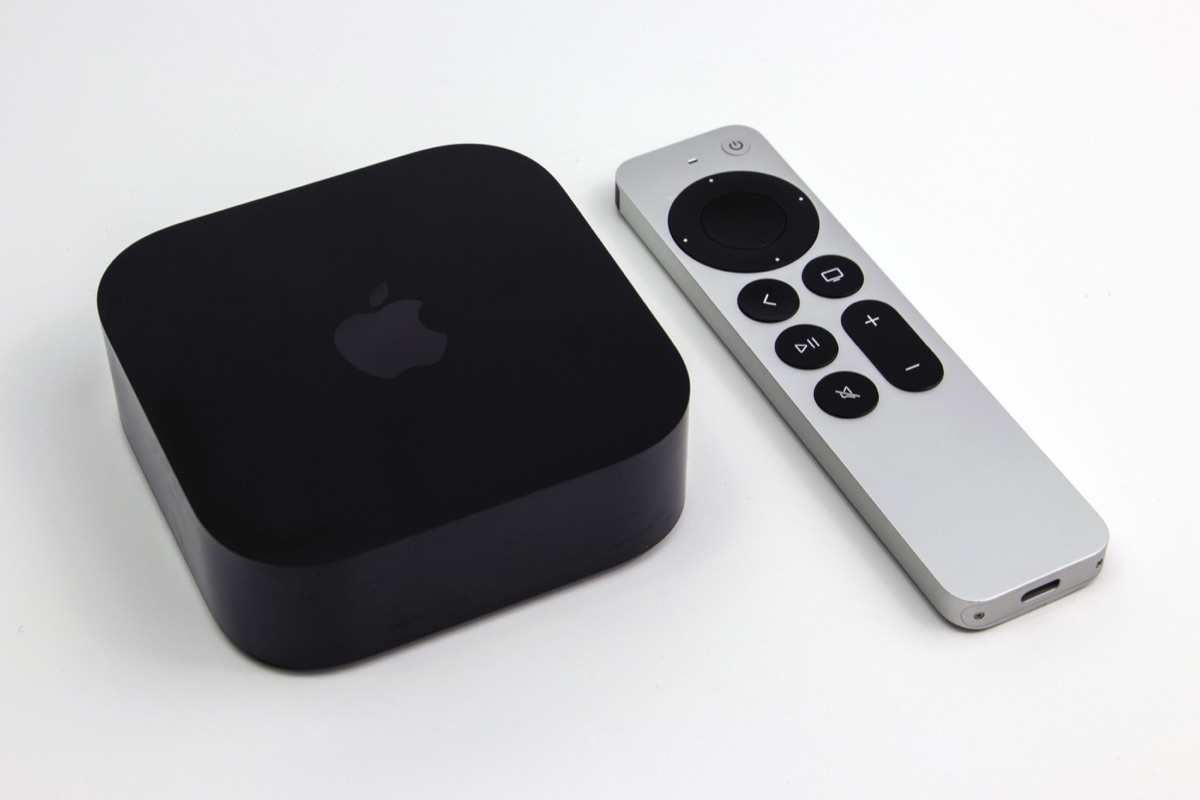
The little black box under your TV is about to get a lot smarter. According to Bloomberg's Mark Gurman and a fresh MacRumors roundup (July 8, 2026), Apple's next Apple TV 4K is expected to jump from the 2022 model's A15 Bionic to the A17 Pro - the earliest Apple chip capable of running Apple Intelligence - bringing on-device AI, natural-language search across streaming apps, and a rebuilt, more capable Siri to the living room. It is also rumored to adopt Apple's new N1 wireless chip (Wi-Fi 7, Bluetooth 6, and Thread), turning the Apple TV into a faster, more capable smart-home hub for Matter and HomeKit. Reporting suggests Apple deliberately timed the box to launch this fall alongside iOS and tvOS 27, so it can ship with the smarter Siri arriving in that release. Here is everything that is reported and expected - the chip leap, the Apple Intelligence angle, the N1 smart-home upgrade, and when to look for it.
Read more →
Jul 9, 2026, 12:13 AM ETTech
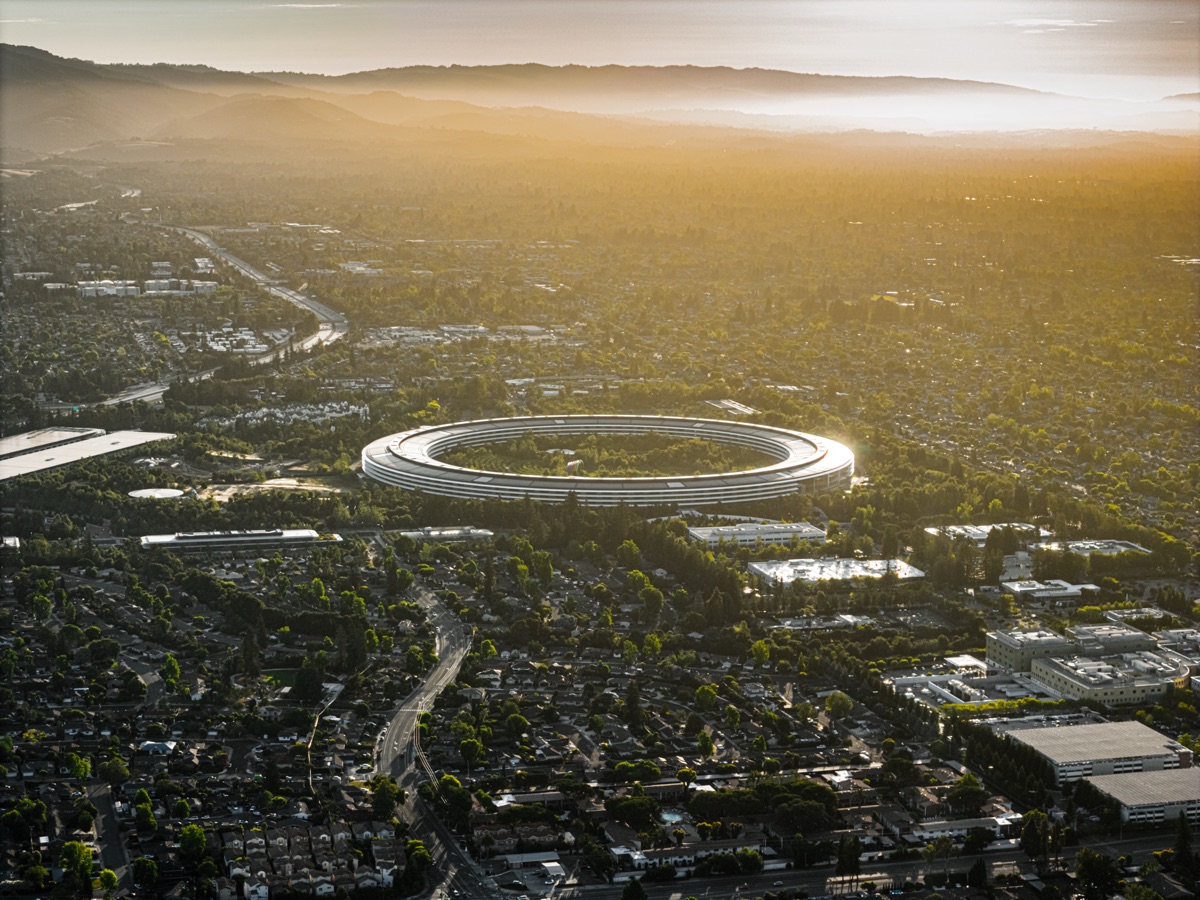
Apple is tracking as many as 16 new products for release before the end of 2026 - one of its busiest hardware stretches in years - according to product-pipeline reporting from Bloomberg's Mark Gurman, analyst Ming-Chi Kuo, and MacRumors. The fall wave, expected around a September 8-9 keynote, leads with the iPhone 18 Pro and Pro Max (new A20 Pro chip, a smaller Dynamic Island, camera upgrades, and a next-generation C2 modem with satellite 5G), Apple's first foldable - the iPhone Ultra, with a ~7.7-inch inner display and a Touch ID power button - plus the Apple Watch Series 12 and Ultra 4. The rest of the year reportedly brings an M5-era Mac Studio, Mac mini and iMac, a 14-inch MacBook Pro with the M6 chip, new iPads, and a smart-home refresh (Apple TV, HomePod, and a new Home Hub). Apple has also reportedly split its iPhone launch into two waves, moving the base iPhone 18 and iPhone 18e to spring 2027. Everything here is reported/expected, not confirmed by Apple - here is the full pipeline, with sources.
Read more →
Jul 8, 2026, 1:16 PM ETScience
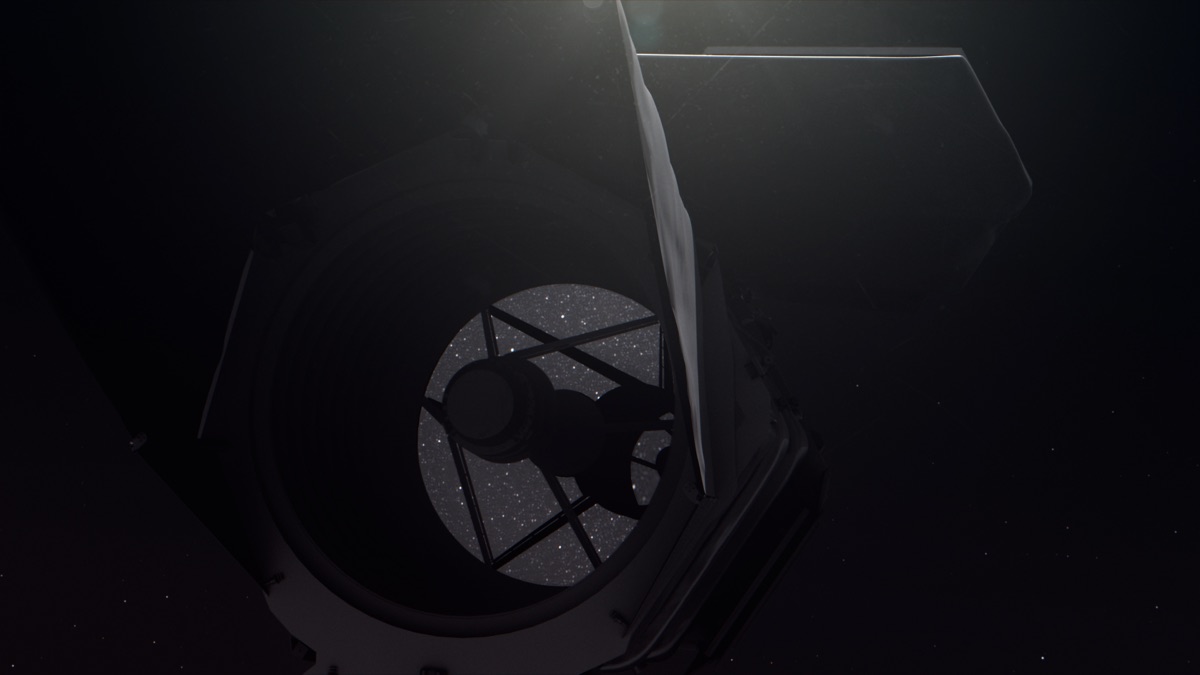
NASA has finished building the Nancy Grace Roman Space Telescope - its next flagship observatory - roughly nine months ahead of schedule, and it is now at Kennedy Space Center in Florida being readied for a launch targeted no earlier than August 30, 2026, aboard a SpaceX Falcon Heavy. Named for Nancy Grace Roman, NASA's first chief astronomer and the 'mother of Hubble,' the telescope pairs a Hubble-sized 2.4-meter mirror with a 300-megapixel camera that sees a patch of sky about 100 times wider than Hubble at the same sharpness - so a single image holds the detail of roughly 100 Hubble photos. Its headline mission is dark energy and a survey of up to a billion galaxies, but as a byproduct of that same data it is predicted to discover about 100,000 new planets (plus ~1,000 via microlensing and the largest catalogue yet of free-floating rogue worlds) - dwarfing the ~6,300 exoplanets found in all of astronomy since 1995. Inside: the specs, the science, the woman it honors, and why finishing early matters.
Read more →
Jul 8, 2026, 9:19 AM ETScience
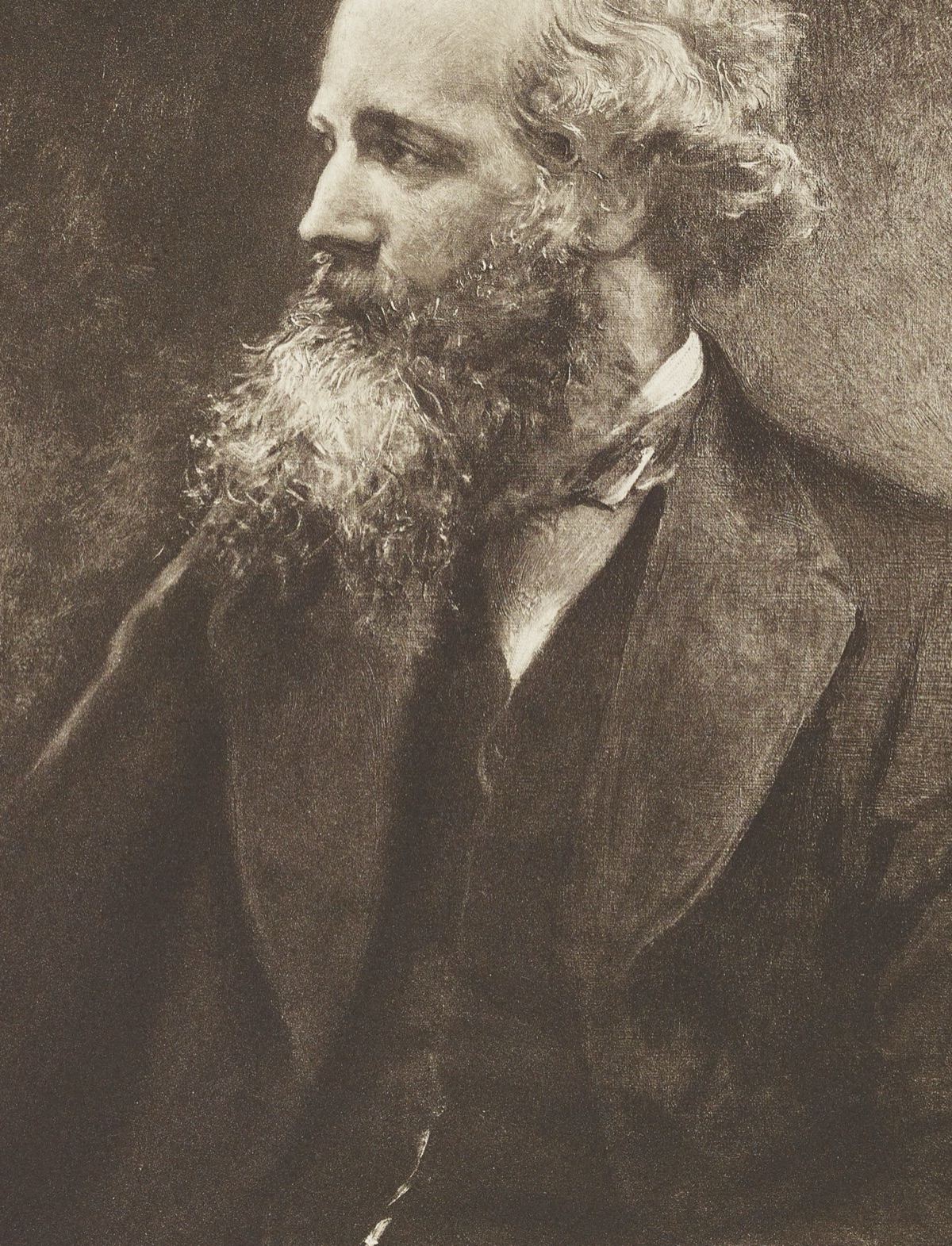
In 1865 the Scottish physicist James Clerk Maxwell published 'A Dynamical Theory of the Electromagnetic Field' and did something no one had managed before: he showed that electricity and magnetism are not two separate forces but two faces of a single electromagnetic field, described by one set of equations. Buried in the mathematics was a stunning surprise - the field could ripple outward as a wave, and when Maxwell calculated how fast that wave would travel, the number came out equal to the measured speed of light. His conclusion: light itself is an electromagnetic wave. He had also predicted a whole family of invisible waves nobody had ever detected. Two decades later Heinrich Hertz generated and caught them in a laboratory, and radio was born - and with it television, radar, Wi-Fi, GPS, mobile phones and 5G. Maxwell's four equations (tidied into their modern form by Oliver Heaviside) are the foundation of all electrical technology, and the template Einstein built relativity upon. This is a tribute to the theory that quietly wired the modern world.
Read more →
Jul 8, 2026, 5:16 AM ETScience
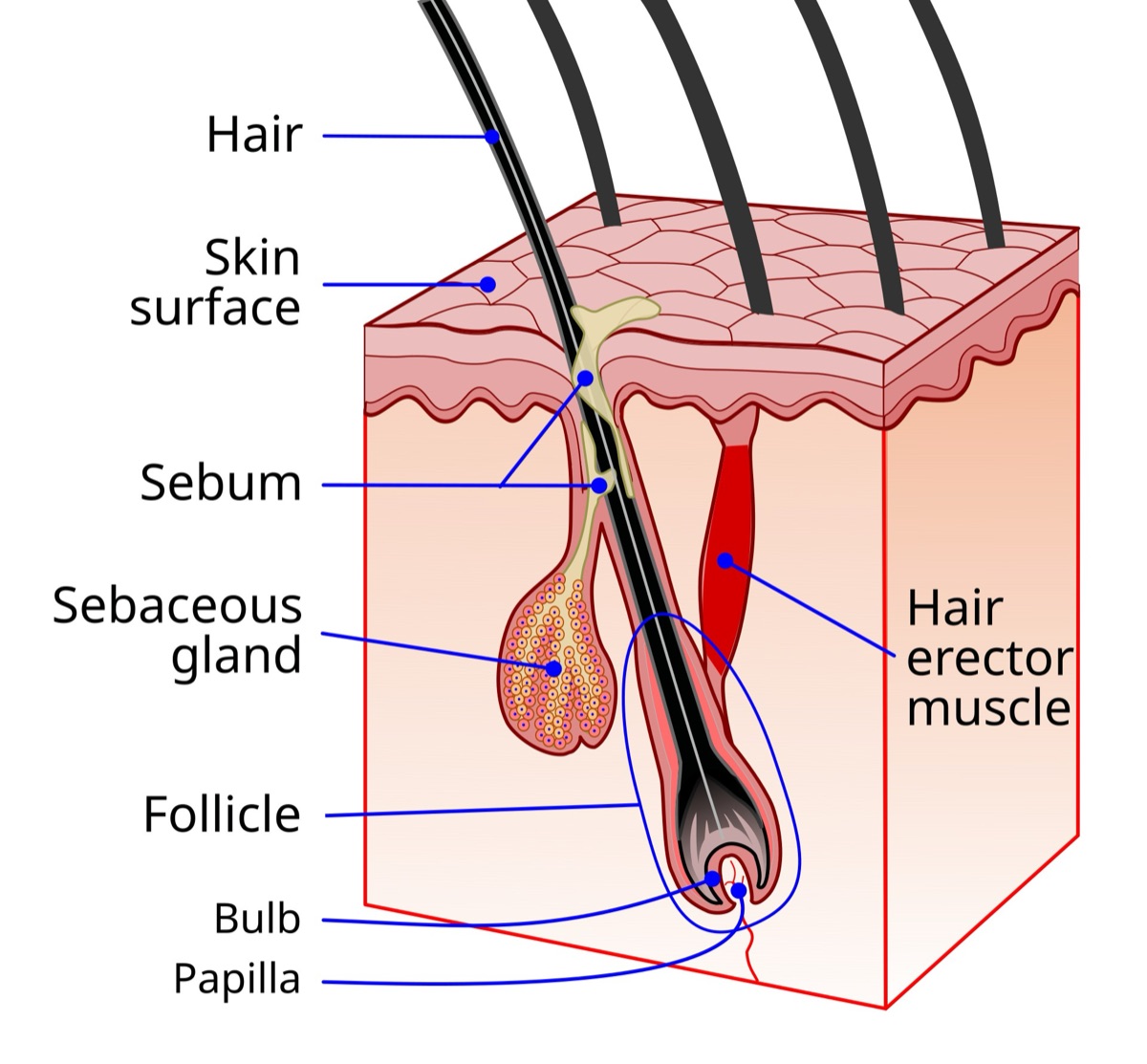
For over a century, biology textbooks taught that hair grows because dividing cells at the root push the strand upward, like toothpaste from a tube. New research says that picture is essentially backwards. Using 3D live-imaging of living human hair follicles kept alive in culture, a team from L'Oreal Research & Innovation and Queen Mary University of London watched growth happen cell by cell - and found the hair is actively PULLED upward by a coordinated, spiral motion of cells in the outer root sheath, working like a tiny biological motor. The proof was decisive: when they chemically blocked cell division, hair kept growing at nearly the same rate; when they disrupted actin, the protein that lets cells contract and move, growth fell by more than 80%. Published in Nature Communications, the discovery rewrites a fundamental piece of human biology - and opens fresh, mechanical targets for hair-loss treatments, drug testing, and tissue engineering.
Read more →
Jul 8, 2026, 12:17 AM ETScience
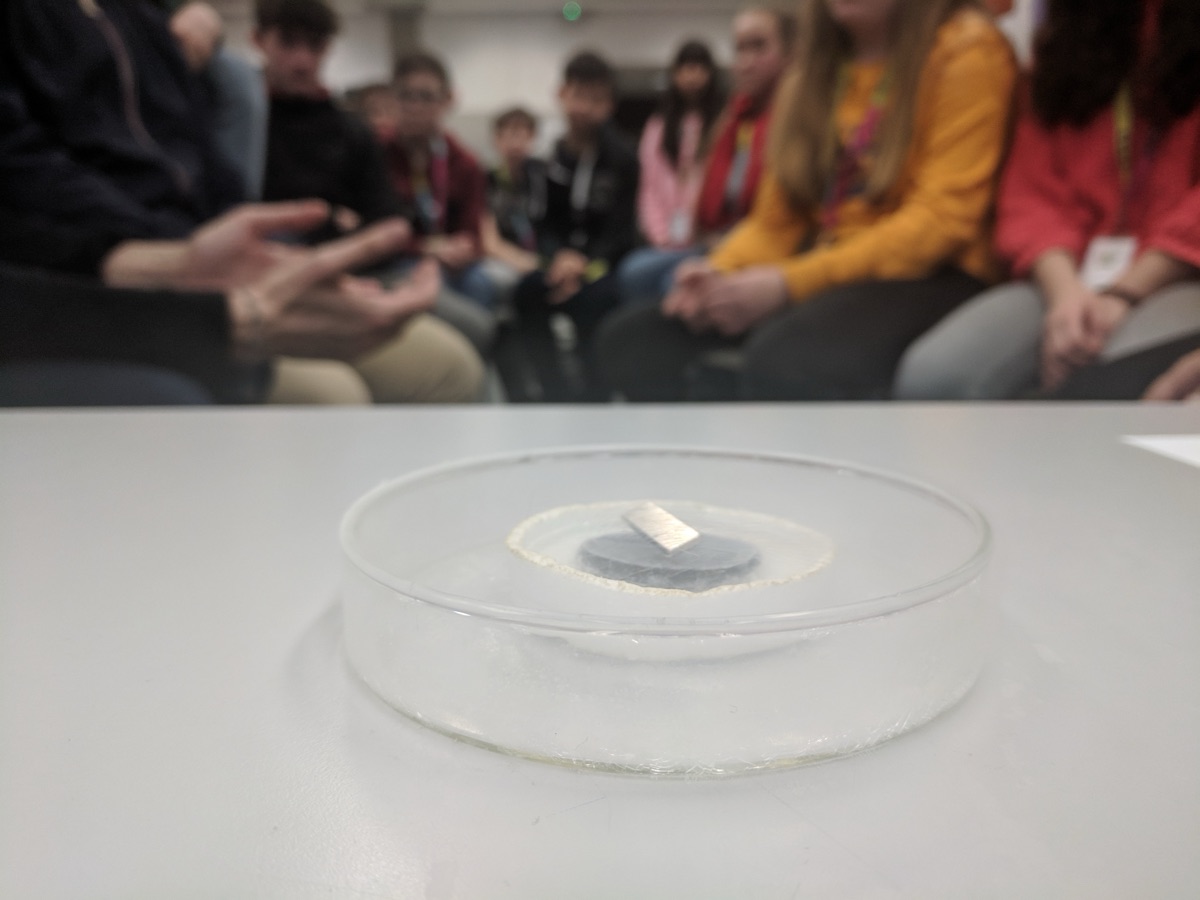
An international team led by Finland's Aalto University has used machine learning to hunt for superconductors - and it worked. The AI pre-screened a vast space of candidate materials, flagged the most promising, and physicists at Rice University then synthesized and confirmed two brand-new superconductors: the kagome-lattice compounds YRu3B2 and LuRu3B2. Their critical temperatures are still very low (0.81 K and 0.95 K), so these specific materials are lab curiosities, not power-grid material - and the team is the first to say so. The real breakthrough is the method. For a century, most of the roughly 7,000 known superconductors were found by luck; this machine-learning workflow turns that serendipity into a systematic search that could one day screen billions of candidates - a concrete step toward the field's holy grail, a room-temperature superconductor. It is the first discovery from SuperC, a global consortium launched in 2023 that aims to find one by 2033.
Read more →
Jul 7, 2026, 1:15 PM ETTech
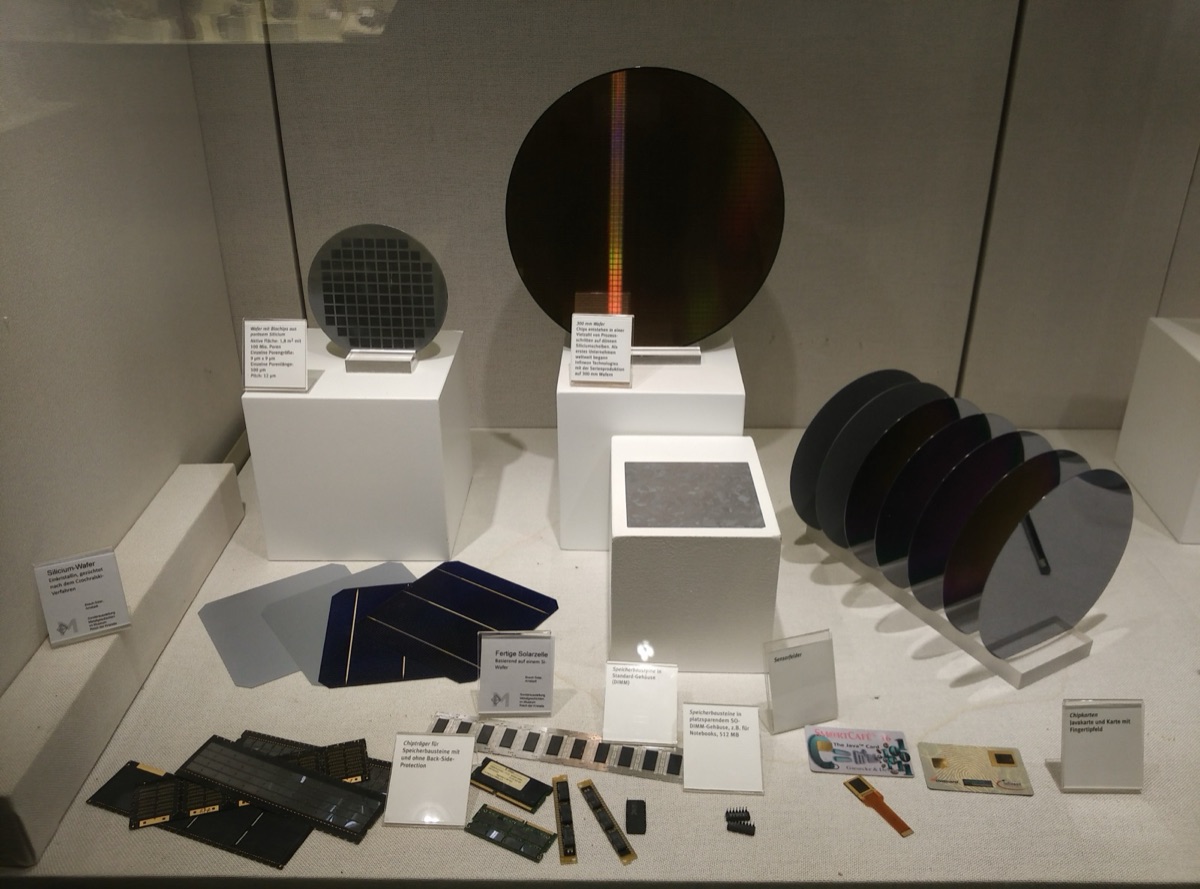
On July 6, 2026, Apple and Broadcom announced a new multi-year agreement extending their long-running chip collaboration through 2031 (first reported by Bloomberg and Reuters). Broadcom will keep designing and supplying the custom wireless and radio-frequency silicon that makes an iPhone an iPhone - RF front-end modules, Wi-Fi and Bluetooth connectivity, wireless charging and touch components, and custom application-specific chips across multiple future Apple devices. Apple is one of Broadcom's largest customers (about 20% of its annual revenue), and Broadcom shares rose roughly 4% on the news. The most forward-looking thread: Broadcom is reported to be co-developing Apple's first dedicated AI server chip - code-named Baltra, built on TSMC's advanced 3nm-class process - to power the next generation of Apple Intelligence. Here is what the deal covers, how it fits Apple's in-house-plus-partners silicon strategy, and why it matters.
Read more →
Jul 7, 2026, 9:14 AM ETScience
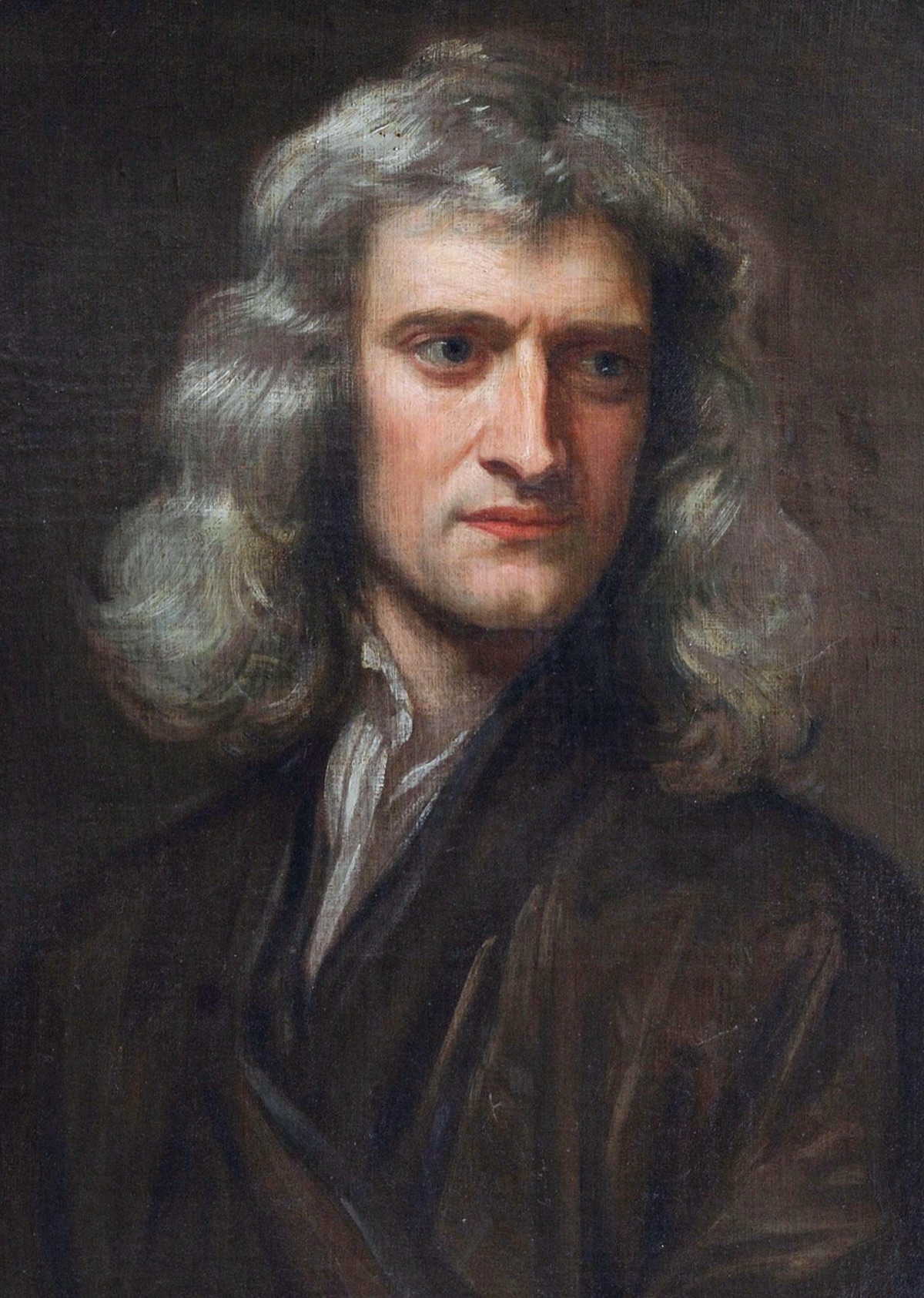
In 1687 Isaac Newton published Philosophiae Naturalis Principia Mathematica - the Mathematical Principles of Natural Philosophy - and in a single Latin volume rewrote our picture of the universe. He set out three laws of motion that still describe every moving thing, from a thrown ball to a rocket, and one law of universal gravitation: every mass pulls on every other, in proportion to their masses and the inverse square of the distance between them. The startling payoff was that the same force that drops an apple to the ground holds the Moon in its orbit - heaven and Earth, for the first time, running on one mathematics. From it Newton derived Kepler's laws, explained the tides, the wobble of the equinoxes, and the paths of comets. When Edmond Halley - who paid for the book - used Newton's gravity to predict a comet's return in 1758, and it came back on time, the age of predictive science had begun. This is a tribute to the most important book in the history of physics.
Read more →

 العربية
 Español
 中文
中文 Deutsch
 Français
 Português