News & Insights
Tech, AI, science & Apple news curated by Jerry Cards. Unlocking US digital content worldwide since 2009.
Jul 13, 2026, 1:18 PM ETTech
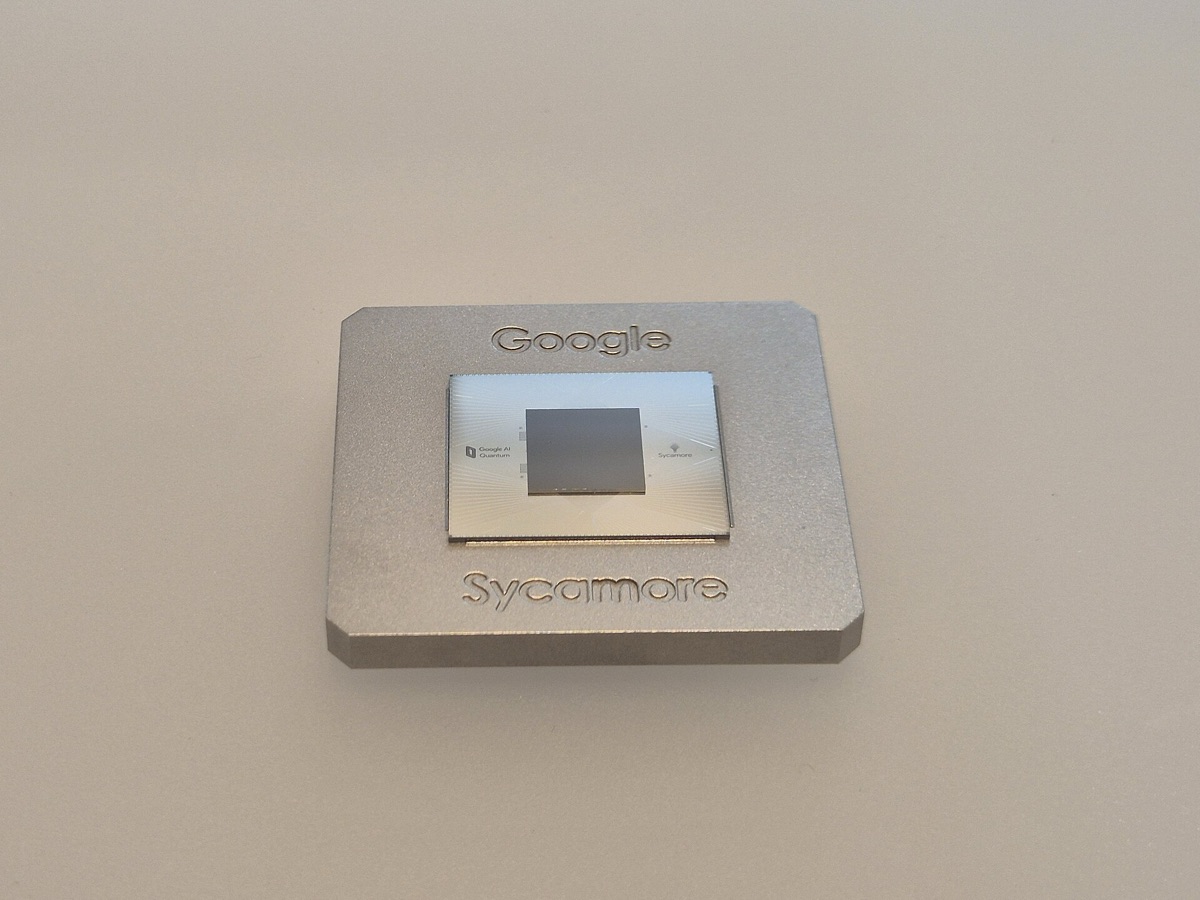
For six years, the knock on quantum computers was that their headline feats were impossible to verify - the famous 2019 'quantum supremacy' result spat out a blizzard of random numbers no one could independently check, and classical computers slowly clawed the gap back. Google's Quantum AI team just answered that critique. Running an algorithm they call Quantum Echoes on their 105-qubit Willow chip, they measured a subtle quantum interference effect about 13,000 times faster than the best known classical method on one of the world's fastest supercomputers - roughly two hours of work that a supercomputer would need years to reproduce. The breakthrough is not just the speed: it is that the result is repeatable and checkable, the first claim of a 'verifiable' quantum advantage. And in a proof-of-principle with UC Berkeley, they turned the same trick into a molecular ruler, using it like a super-powered NMR machine to read the 3-D shape of molecules. Published in Nature, it is one of the clearest signs yet that quantum computers are inching from lab curiosity toward real tools.
Read more →
Jul 13, 2026, 9:19 AM ETTech
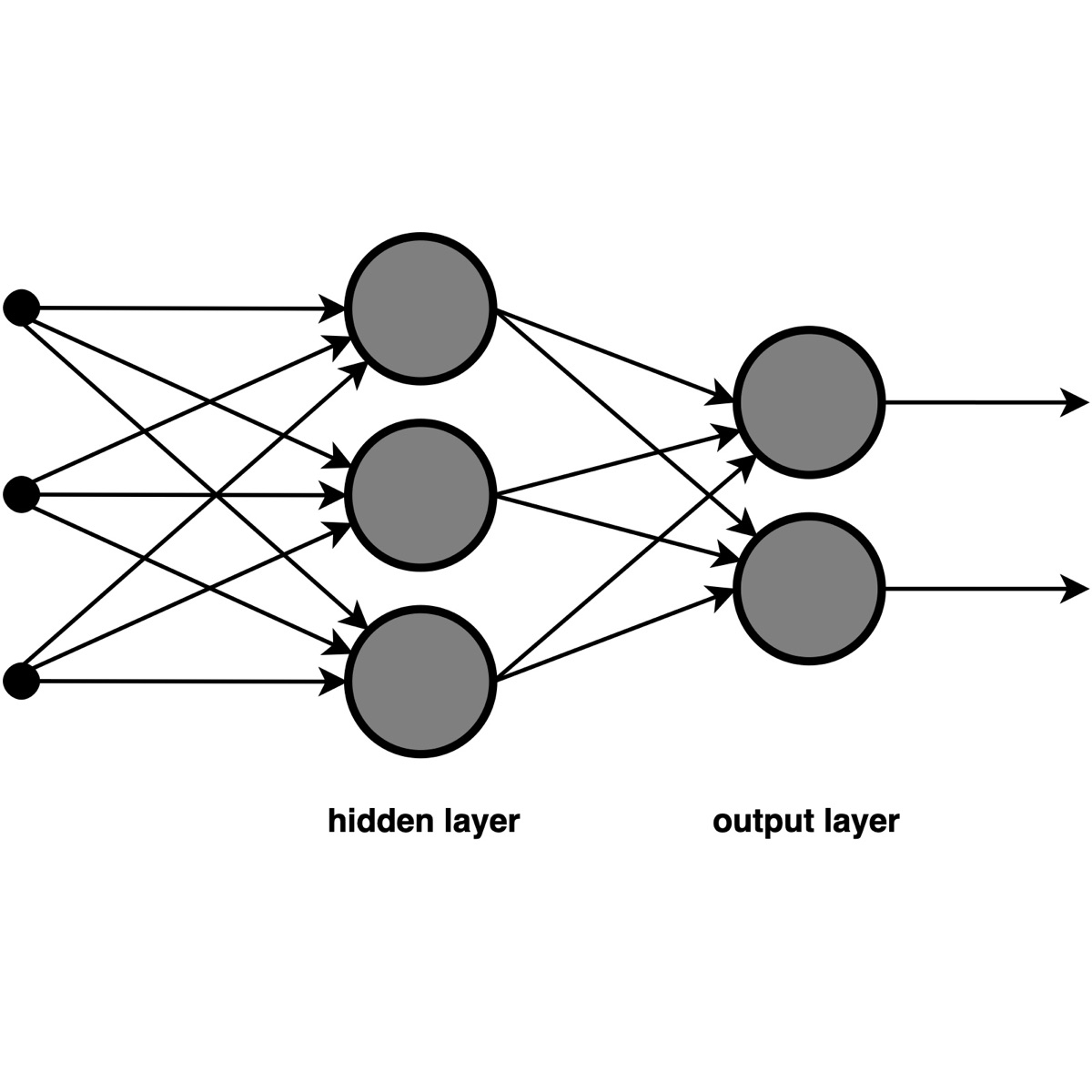
On 9 October 1986, David Rumelhart, Geoffrey Hinton and Ronald Williams published a modestly titled paper in Nature - 'Learning representations by back-propagating errors' - and handed artificial intelligence the tool it had been missing for thirty years. Back-propagation is a simple, elegant recipe for teaching a multi-layer neural network from its own mistakes: run an example forward, measure the error, then send that error backward through the network using the chain rule of calculus to work out how much each internal weight is to blame, and nudge every weight a little to do better next time. It solved the notorious 'credit-assignment problem' that had stalled neural networks since Minsky and Papert's 1969 critique, and it let hidden units discover useful features - learned representations - entirely on their own. The honest history is richer than the myth: the underlying mathematics (reverse-mode automatic differentiation) was found earlier by Linnainmaa (1970) and applied to networks by Werbos (1974), among others - but the 1986 paper is the one that convinced the field it could be done, and set off the deep-learning era. Today the same backward sweep of error trains almost everything: image recognisers, speech systems, AlphaFold, diffusion image generators, and the Transformers behind ChatGPT, Claude and Gemini. The lineage was later honoured with the 2018 Turing Award (Bengio, Hinton, LeCun) and the 2024 Nobel Prize in Physics (Hopfield, Hinton). A tribute to the rule that made machines learn.
Read more →
Jul 13, 2026, 5:18 AM ETScience
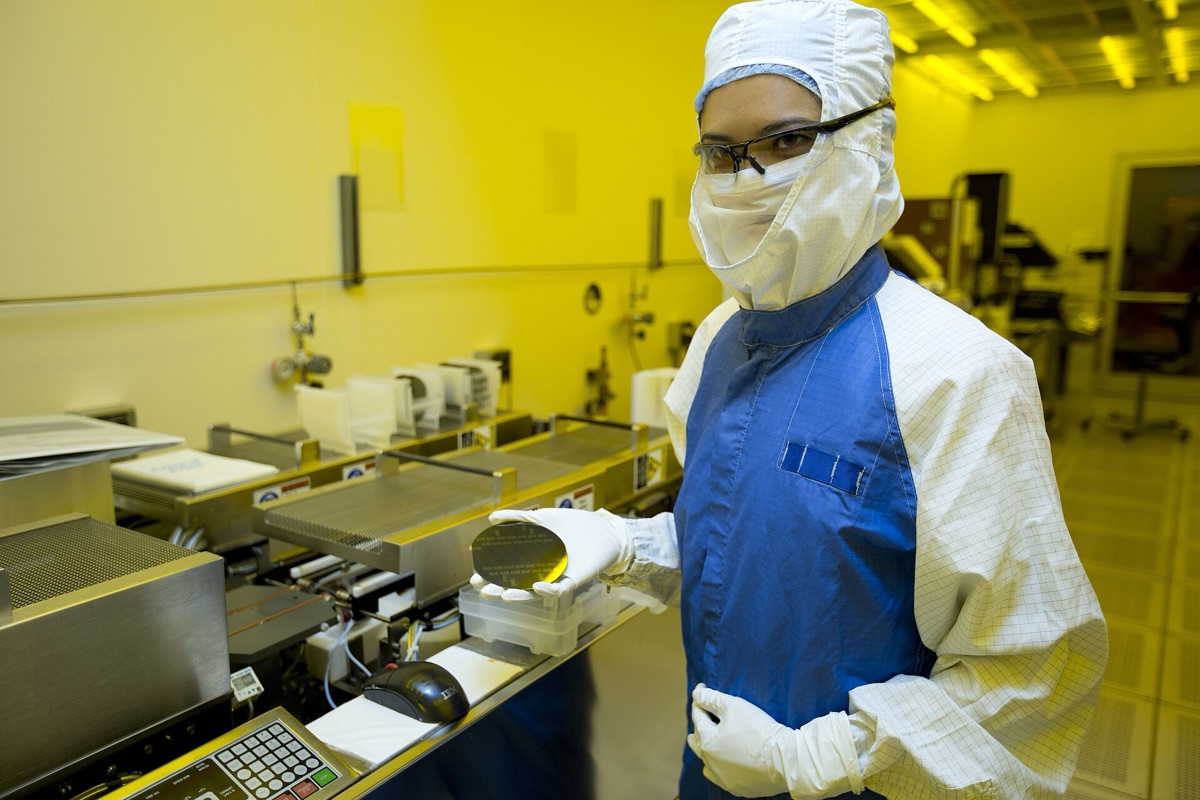
Heat is the quiet enemy of modern electronics, and for the most part we still get rid of it the crude way: heat sinks and fans that let warmth wander off wherever it likes. Now a team at the U.S. Department of Energy's Oak Ridge National Laboratory (ORNL), with The Ohio State University and Amphenol Corporation, has demonstrated something much closer to a switch for heat. By applying an electric field to a special crystal - a relaxor ferroelectric called PMN-PT - they made heat flow nearly three times more efficiently along the direction of the field than across it: a gain close to 300%, and roughly 30 to 60 times larger than any comparable effect ever measured in a bulk solid. Using intense neutron beams, they traced the cause to phonons - the tiny atomic vibrations that carry heat - which the field coaxes into lasting longer and traveling farther in one chosen direction. The upshot is a way to actively steer heat, much as we route electricity, which could help cool the power-hungry chips behind AI and turn more waste heat back into useful electricity. Published in PRX Energy.
Read more →
Jul 13, 2026, 12:17 AM ETScience
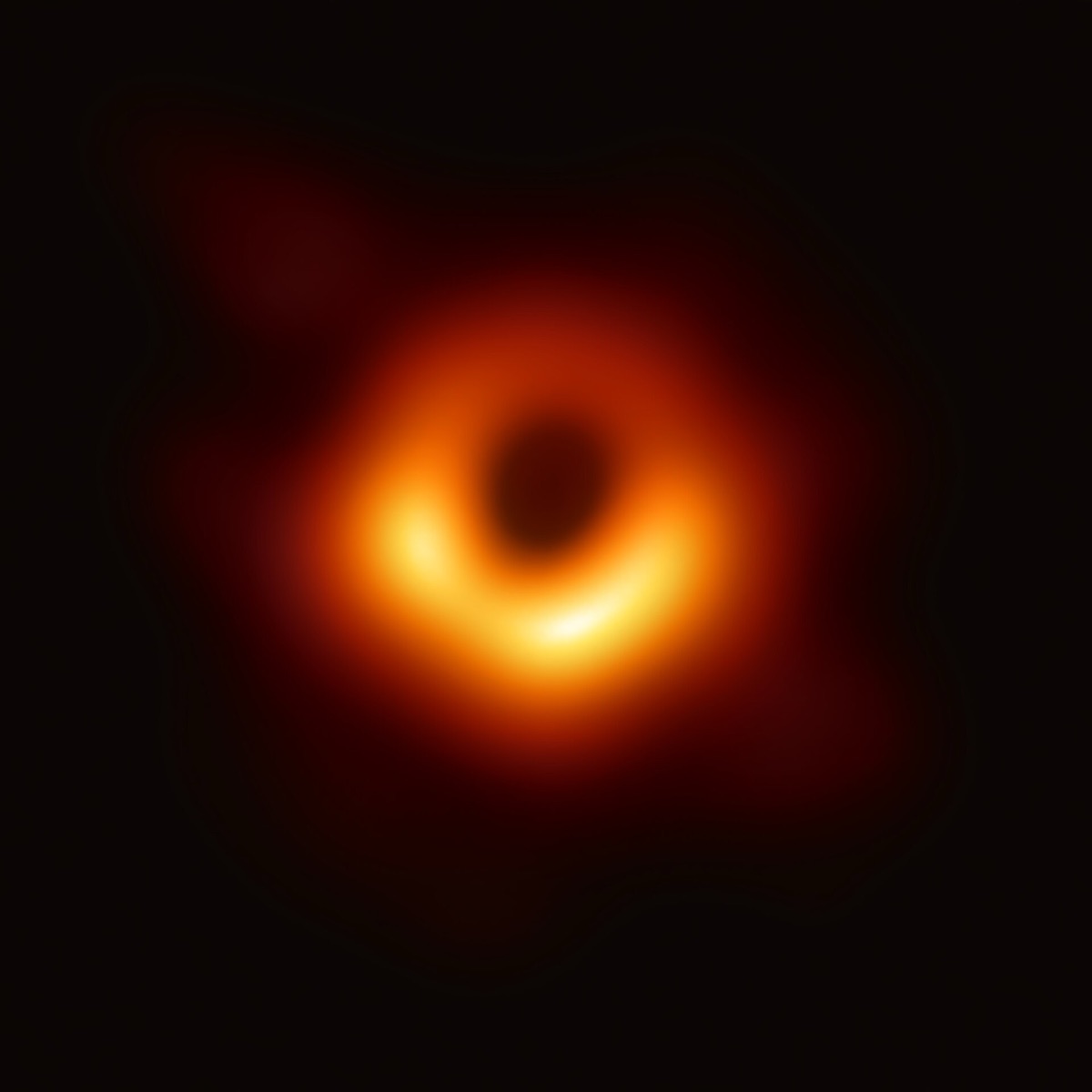
For half a century, pulling energy out of a spinning black hole was a beautiful piece of theory - Roger Penrose imagined it in 1969, and Yakov Zel'dovich predicted that a wave bouncing off a fast-enough rotating object would come back amplified. Now a team at the City University of New York's Advanced Science Research Center (CUNY ASRC) has reproduced the essential physics on a tabletop. Instead of spinning any matter, they built a ring of electronic resonators and modulated them in a precisely timed sequence to create 'synthetic rotation' - a traveling pattern that mimics spinning even faster than light while the device sits perfectly still. Electromagnetic waves carrying the matching twist drew energy out of that synthetic rotation and came out stronger. Published in Nature (DOI 10.1038/s41586-026-10725-y), the work turns one of the cosmos's most exotic ideas into a controllable lab platform - and points toward a new kind of broadband amplifier for wireless, photonics, and quantum technology.
Read more →
Jul 12, 2026, 1:17 PM ETScience
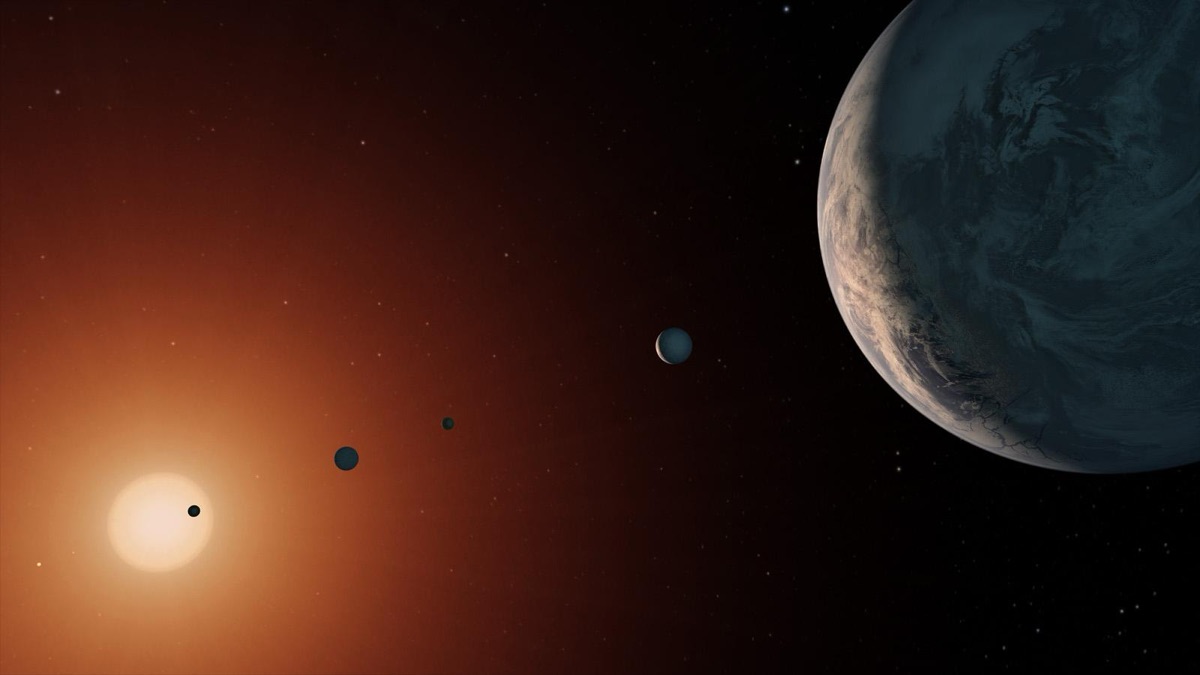
For 65 years, the Dyson sphere - a hypothetical megastructure an advanced civilization might build to harvest a star's entire energy output - has lived mostly in science fiction and thought experiments. A new peer-reviewed study by physicist Amirnezam Amiri of the University of Arkansas, published in the journal Universe, turns it into a concrete search plan. Amiri models where such a structure would appear on the Hertzsprung-Russell diagram - astronomy's master chart of stars - and finds it would slide into an empty zone no natural star occupies: glowing in the infrared at an apparent temperature as low as roughly 50 kelvin, yet still carrying the total light output of the star hidden inside. His verdict on the best places to look is counterintuitive: not bright, Sun-like stars, but the galaxy's dimmest and smallest - red dwarfs and white dwarfs, which need far less material to enclose. The timing is no accident: it lands as three great infrared observatories - JWST, the Vera C. Rubin Observatory, and the Nancy Grace Roman Space Telescope - come online together. No megastructure has been found. This is a map for where to point the telescopes.
Read more →
Jul 12, 2026, 12:17 AM ETScience
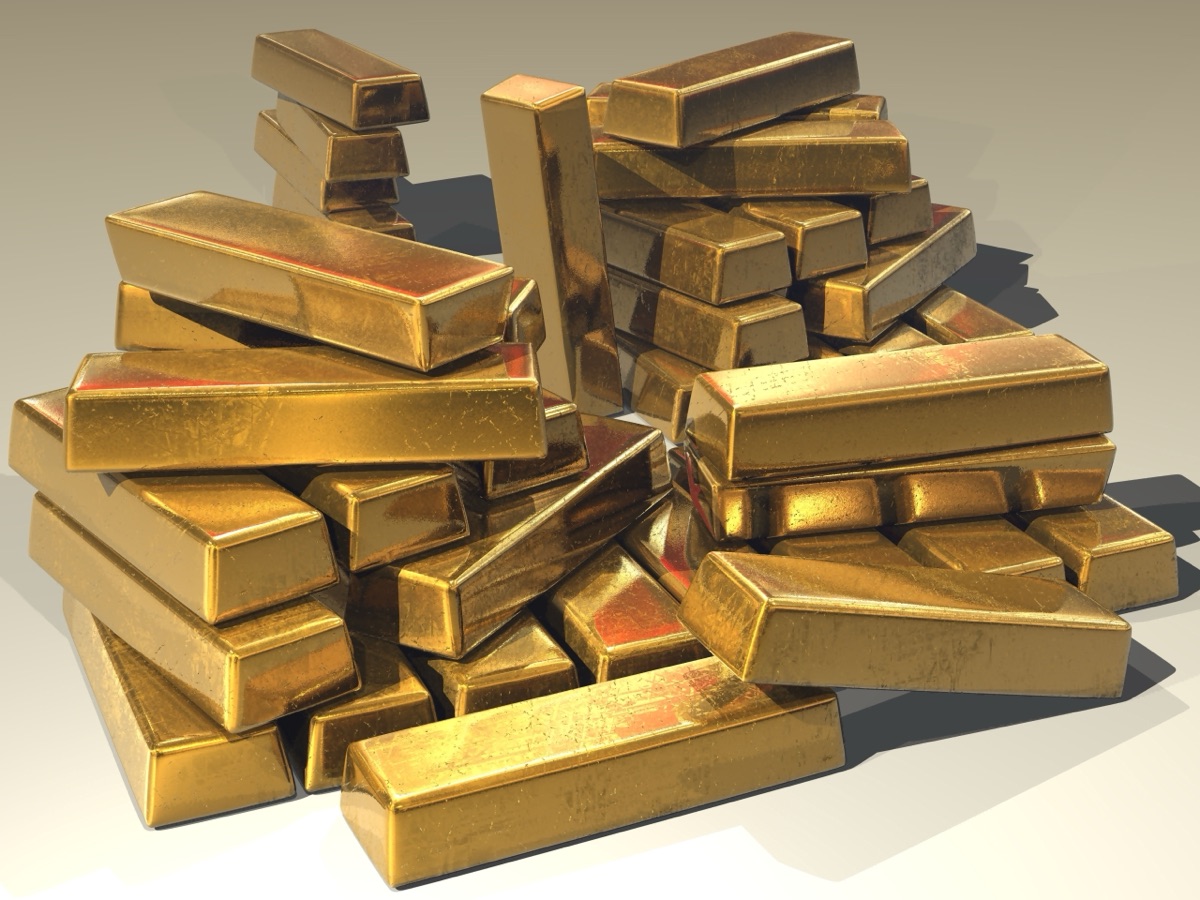
Gold has stayed brilliantly bright for thousands of years, and the textbook answer was almost a shrug: gold is 'noble,' so it just doesn't react with oxygen. A new study from Tulane University, published in Physical Review Letters, reveals something far more elegant. Using quantum-mechanical simulations, the team found that the atoms on a gold surface spontaneously rearrange from an open, square-like grid into a tightly packed hexagonal pattern - and that reshuffle leaves oxygen molecules no room to split apart, which is the essential first step of rusting. The single rearrangement slows oxidation by a factor of a billion to a trillion. The beautiful twist: the very trick that keeps gold flawless also makes it a lazy catalyst, so learning to switch it off on purpose could unlock better gold catalysts for clean energy and cleaner car exhaust.
Read more →
Jul 11, 2026, 1:15 PM ETScience
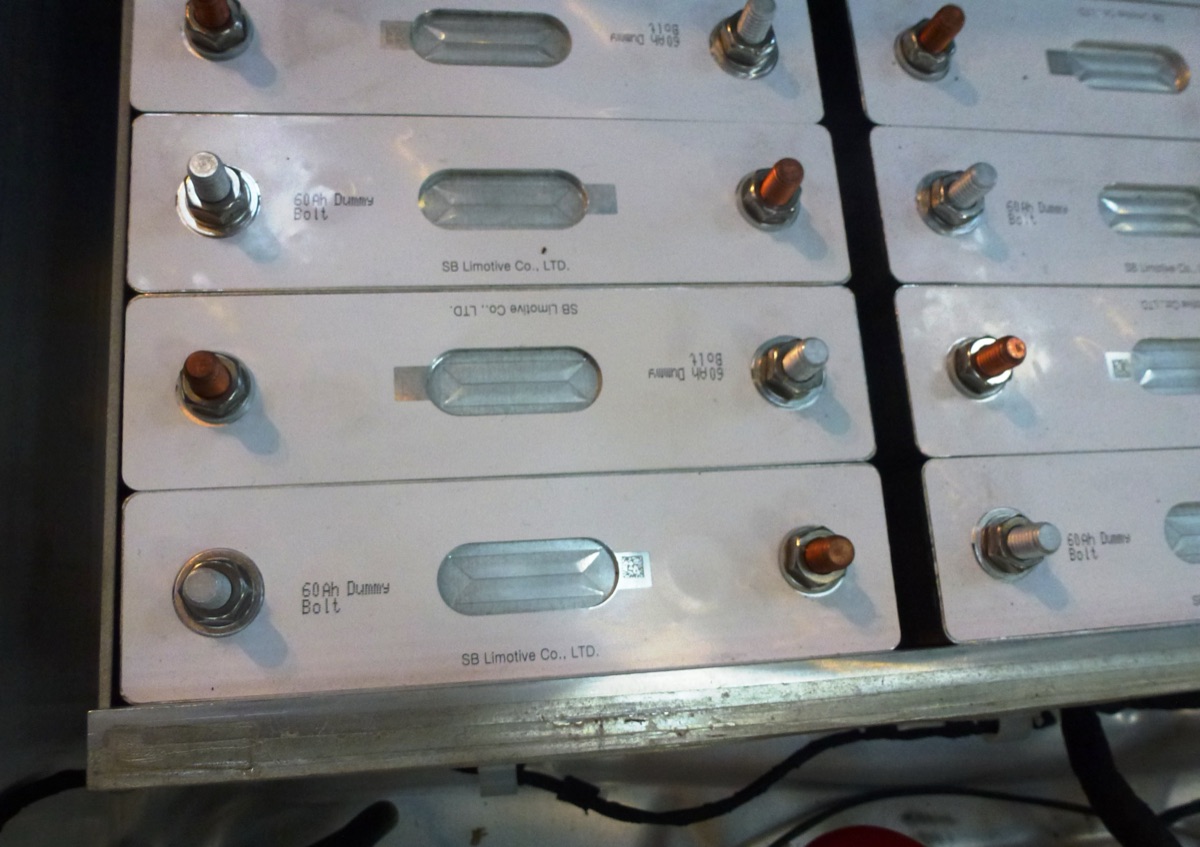
For years, the solid-state battery has been the great promise of clean tech: swap the flammable liquid inside today's lithium-ion cells for a solid ceramic, and you get a battery that is safer, denser, and longer-lasting - potentially a phone that runs for days and an electric car with roughly three times the range. One stubborn flaw kept getting in the way: needle-like fingers of lithium metal, called dendrites, somehow crack the rock-hard ceramic and short the cell out. How something soft could split something hard had been fiercely debated for a decade. Now a team from the Max Planck Institute for Sustainable Materials and Shanghai Jiao Tong University has settled it. Using cryo-electron microscopy under vacuum, they showed the failure is purely mechanical: lithium trapped in a tiny crack builds up enormous internal pressure and splits the ceramic apart - as first author Dr. Yuwei Zhang puts it, 'like a continuous waterjet that penetrates a rock.' Crucially, they ruled out the rival theory. Knowing the true mechanism hands engineers a clear list of fixes - and moves one of the most important batteries of the coming decade closer to reality. Published in Nature.
Read more →
Jul 11, 2026, 9:15 AM ETScience
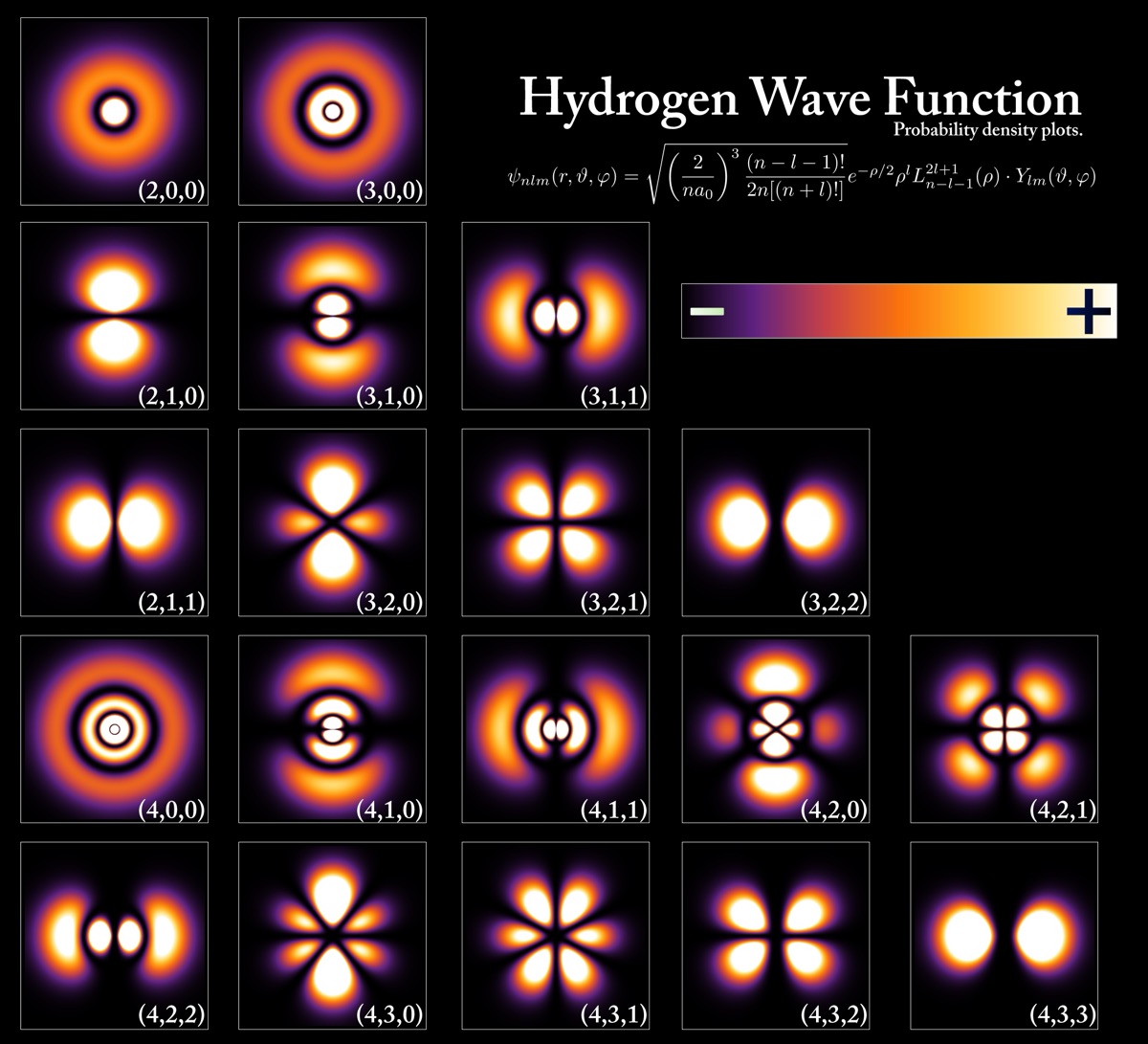
Over a two-week holiday in the Swiss Alps across the turn of 1925-26, the Austrian physicist Erwin Schrödinger wrote down a single equation for the atom - and modern quantum mechanics was born. His four-part paper 'Quantisierung als Eigenwertproblem' (Quantization as an Eigenvalue Problem), published in Annalen der Physik in 1926, treated the electron not as a tiny planet orbiting the nucleus but as a wave. The payoff was astonishing: the atom's discrete energy levels - which older theories had to bolt on by hand - fell out of the mathematics on their own, as the natural standing-wave patterns (the 'eigenvalues') the wave was allowed to take. Max Born soon read those waves as probability, Schrödinger proved his picture was mathematically identical to Heisenberg's rival matrix mechanics, and in 1933 he shared the Nobel Prize in Physics with Paul Dirac. A century later the equation is not a museum piece: it explains the periodic table, it is the working tool of all of chemistry, and it underpins the transistor, the laser, the LED, flash memory, MRI and the quantum computers now being built. In 2025 the United Nations marked 100 years of quantum mechanics with an International Year of Quantum Science and Technology. This is a tribute to the wave that runs the world.
Read more →
Jul 11, 2026, 5:17 AM ETScience
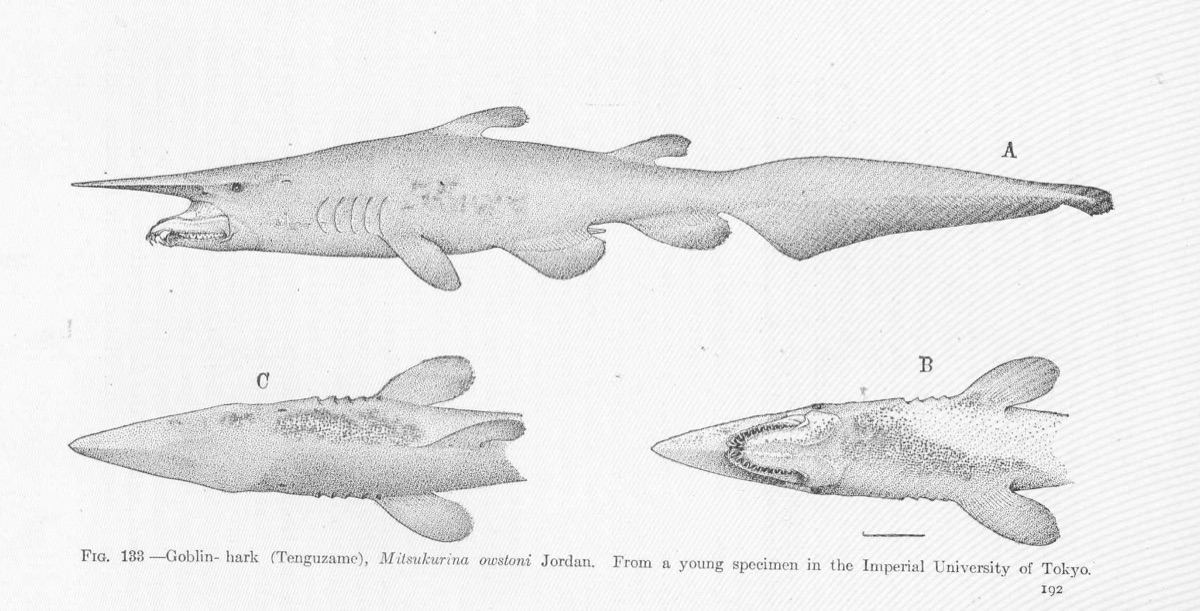
For the first time, researchers have filmed a goblin shark (Mitsukurina owstoni) alive in the deep ocean where it actually lives. Until now, every confirmed look at a living goblin shark came only after one had been accidentally hauled to the surface on a fishing line, where it quickly died. Two deep-sea expeditions changed that: a remotely operated vehicle captured one at 1,237 metres (about 4,058 ft) on a seamount near Jarvis Island in 2019, and a baited deep-sea camera filmed another at 1,997 metres (about 6,552 ft) in the Tonga Trench in 2024 - roughly 700 metres deeper than the species had ever been recorded. The goblin shark is the sole surviving member of a shark family that stretches back nearly 125 million years, a true living fossil. The full story: the two encounters, what makes this pink, slingshot-jawed shark so strange, why seeing one healthy in its own habitat matters, and how much of the deep ocean we have still never seen.
Read more →
Jul 11, 2026, 12:18 AM ETScience
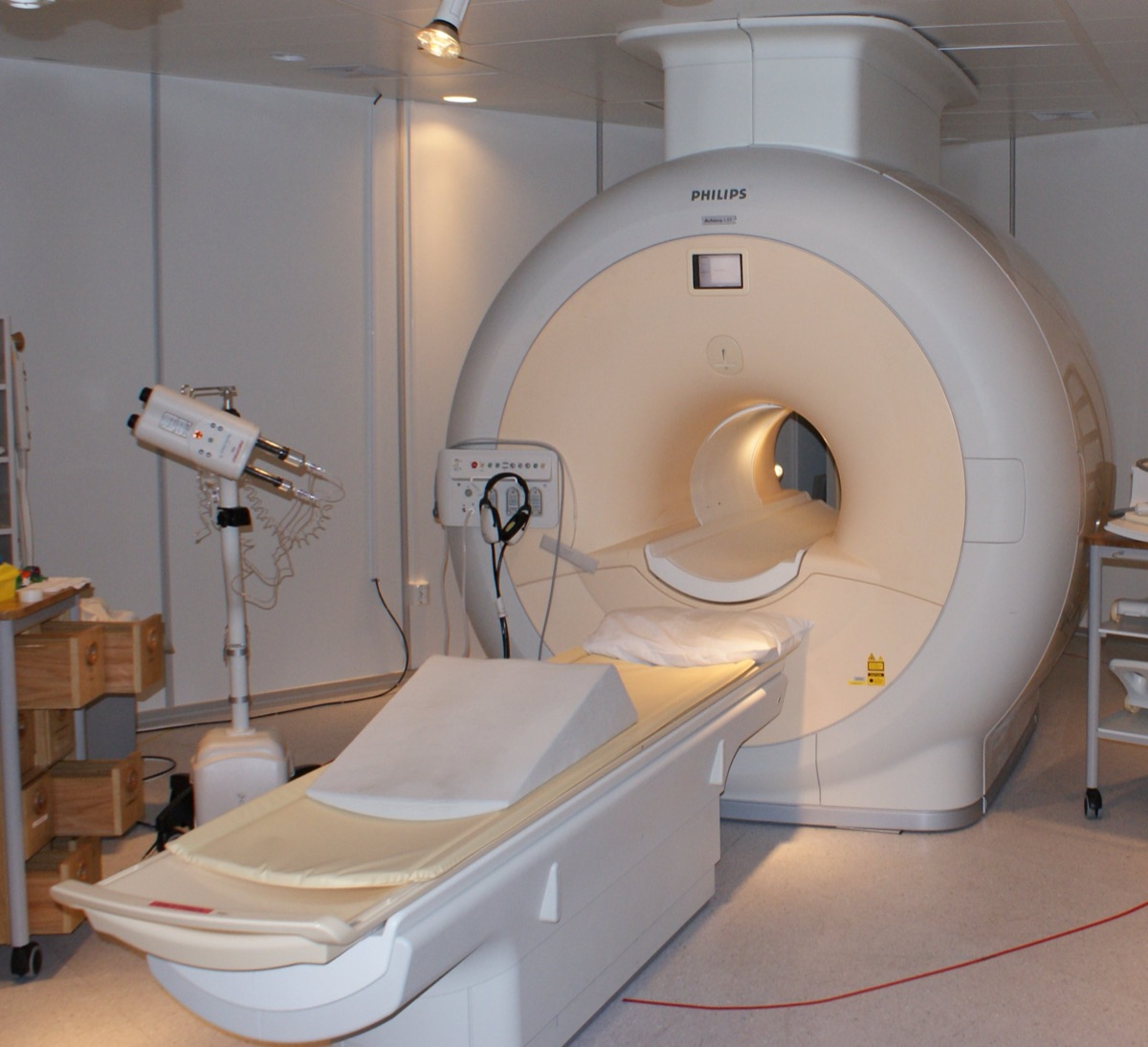
An MRI machine is only as good as the antenna that whispers to your atoms and listens for the echo. A team at Berlin's Max Delbrueck Center rethought that antenna from scratch - weaving in metamaterials, engineered structures that bend electromagnetic waves in ways no natural material can - and turned it into a far better transmitter and receiver. In a study published in Advanced Materials, their metamaterial antenna boosted receive sensitivity by 94 to 132 percent (roughly doubling it), lifted transmit efficiency 14 to 20 percent, and raised the live signal inside the human eye by 25 to 51 percent - yielding sharper images of notoriously hard-to-see regions like the eye, the optic nerve and the brain's visual cortex, in less time. The best part: it slots into existing 7-tesla scanners with no change to the multimillion-dollar magnet - you simply upgrade the antenna. Here is how a bit of clever physics could make one of medicine's most important tools sharper and faster for everyone.
Read more →
Jul 10, 2026, 9:14 AM ETTech
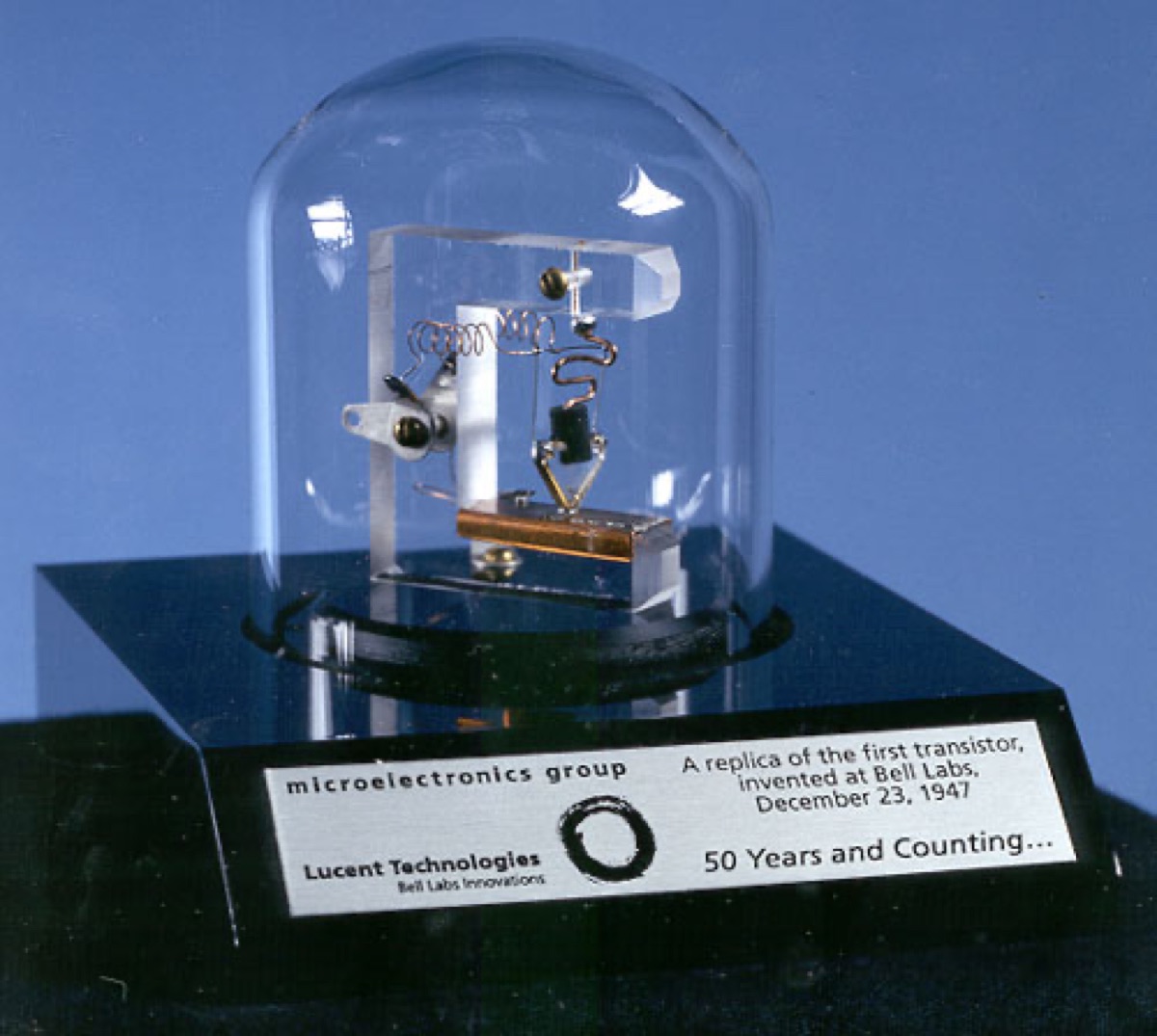
On December 16, 1947, two physicists at Bell Telephone Laboratories in New Jersey - John Bardeen and Walter Brattain, working in a group led by William Shockley - pressed two gold contacts onto a small slab of germanium and watched a faint electrical signal come out amplified. It was the first working transistor: a solid, fingertip-sized switch with no vacuum, no glass, no glowing filament. In one stroke it made the bulky, hot, fragile vacuum tube obsolete and opened the door to everything we now call electronics. Shockley soon designed the sturdier bipolar junction transistor; Bell Labs engineer John R. Pierce coined the name 'transistor' in May 1948; and the device was unveiled to the press on June 30, 1948 - to almost no fanfare. In 1956 the three men shared the Nobel Prize in Physics. From that one germanium sliver came the integrated circuit, the microprocessor, Moore's Law, and the modern chip - Apple's A18 Pro now packs about 20 billion transistors onto a piece of silicon smaller than a fingernail. Every smartphone, laptop, data center and AI accelerator on Earth is built from descendants of that 1947 invention. This is a tribute to the switch that quietly built the digital age.
Read more →
Jul 10, 2026, 5:17 AM ETScience
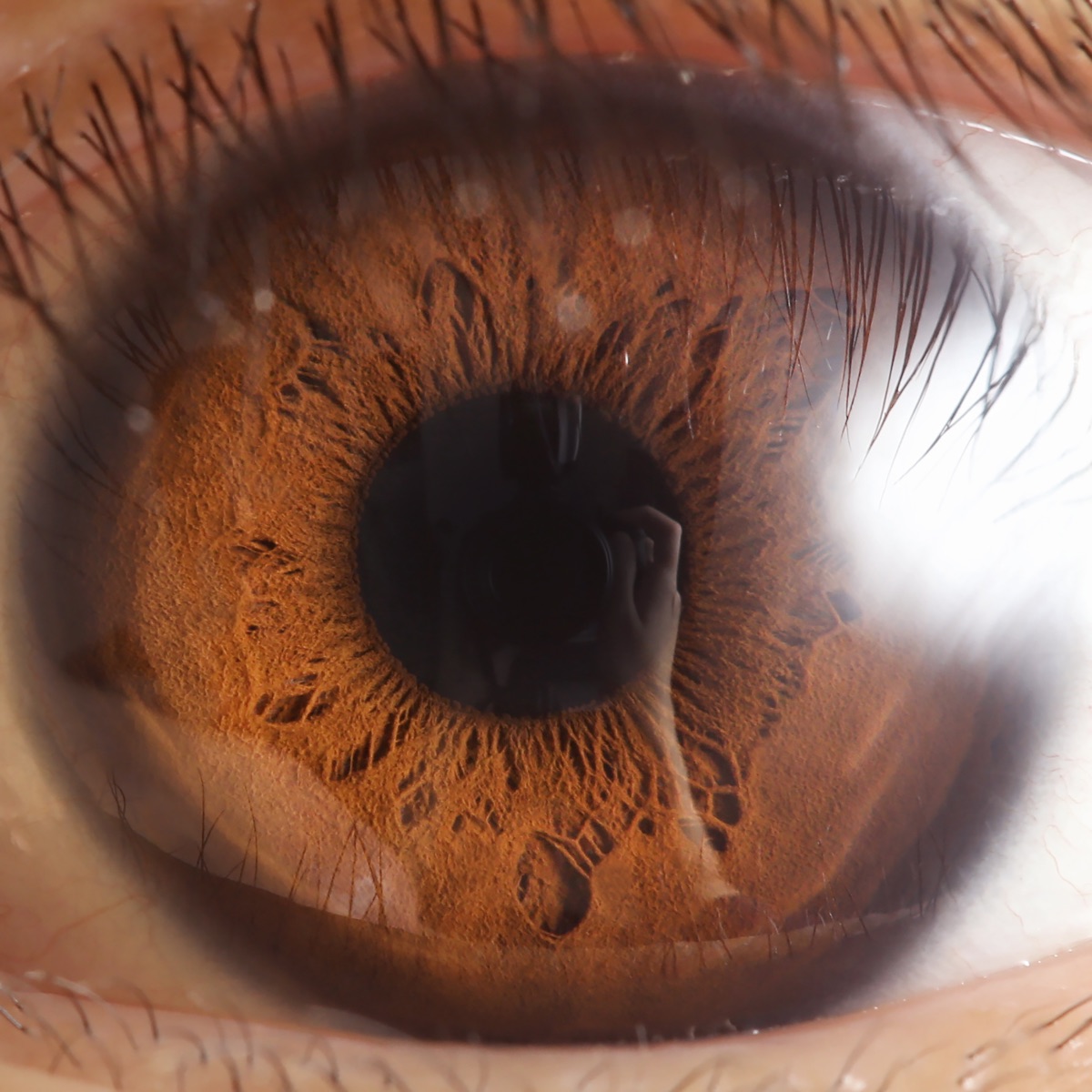
The center of your vision is built by cells that change their identity. In a study published in the Proceedings of the National Academy of Sciences on February 13, 2026, Johns Hopkins biologists led by Robert J. Johnston Jr. (first author Katarzyna A. Hussey) showed that the foveola - the tiny pit at the retina's center responsible for roughly half of what we consciously see - assembles its dense, red-and-green cone mosaic not by shuffling cells into position, as long assumed, but by reprogramming one cone type into another before birth. Growing human retinal organoids in a dish and tracking them for months (checked against donated human retinal tissue), the team found blue (S) cones briefly appear in the developing foveola around weeks 10-12, then convert into red and green (L/M) cones by about week 14. Two chemical signals run the show: retinoic acid, a vitamin A derivative locally destroyed by the enzyme CYP26A1, first limits new blue cones; then thyroid hormone, locally switched on by the enzyme DIO2, drives the leftover blue cones to become red and green. Because the foveola is the first region to fail in macular degeneration, understanding how it is built is a step toward growing made-to-order photoreceptors to one day restore lost sight.
Read more →

 العربية
 Español
 中文
中文 Deutsch
 Français
 Português