News & Insights
Tech, AI, science & Apple news curated by Jerry Cards. Unlocking US digital content worldwide since 2009.
Jul 16, 2026, 1:14 PM ETScience
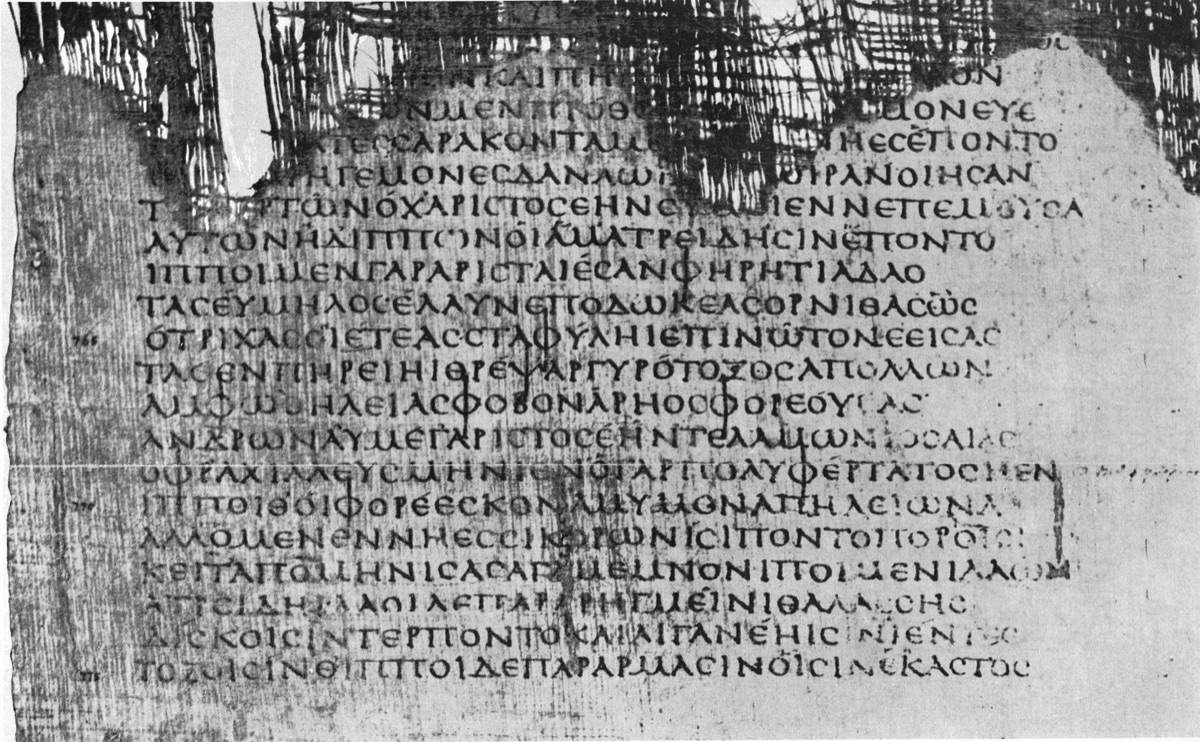
The University of Barcelona's Oxyrhynchus mission found a fragment of the Iliad's Catalogue of Ships laid on a Roman-era mummy's abdomen as part of the embalming - the first known case of a Greek literary text built into a mummification ritual. Every papyrus found in that position before was a spell.
Read more →
Jul 16, 2026, 9:12 AM ETScience
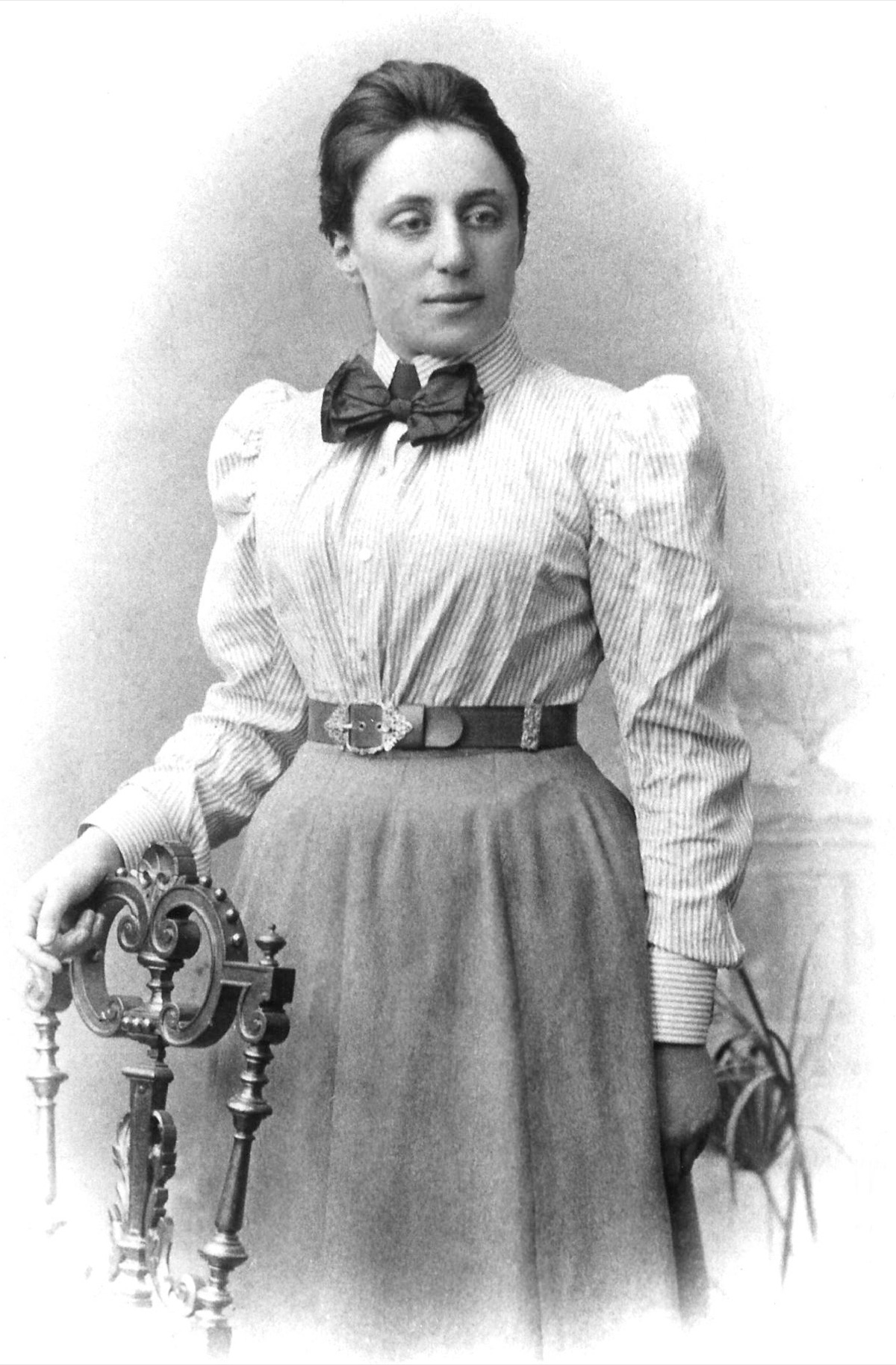
On 26 July 1918, Felix Klein read a paper to the Gottingen Scientific Society on behalf of a colleague who was not allowed to be a member of it. The paper was 'Invariante Variationsprobleme,' the colleague was Emmy Noether, and it contained what many physicists now regard as the most beautiful result in their subject. Noether proved that every conservation law in physics - every quantity that never changes - is the shadow of a symmetry. Because the laws of physics work the same today as tomorrow, energy is conserved. Because they work the same here as over there, momentum is conserved. Because space has no preferred direction, angular momentum is conserved. Conservation was no longer a set of separate rules discovered by experiment; it was a single theorem, and its source was symmetry. Her second theorem went further, explaining the puzzle that had brought her to Gottingen in the first place: why energy behaves so strangely in Einstein's general relativity. That result now underpins gauge theory and the entire Standard Model of particle physics. Noether wrote it while working without a salary or a title, lecturing under Hilbert's name because the faculty would not appoint a woman. Einstein called her the most significant creative mathematical genius produced since the higher education of women began. A tribute to the theorem that told us why the universe keeps its promises.
Read more →
Jul 16, 2026, 5:12 AM ETTech
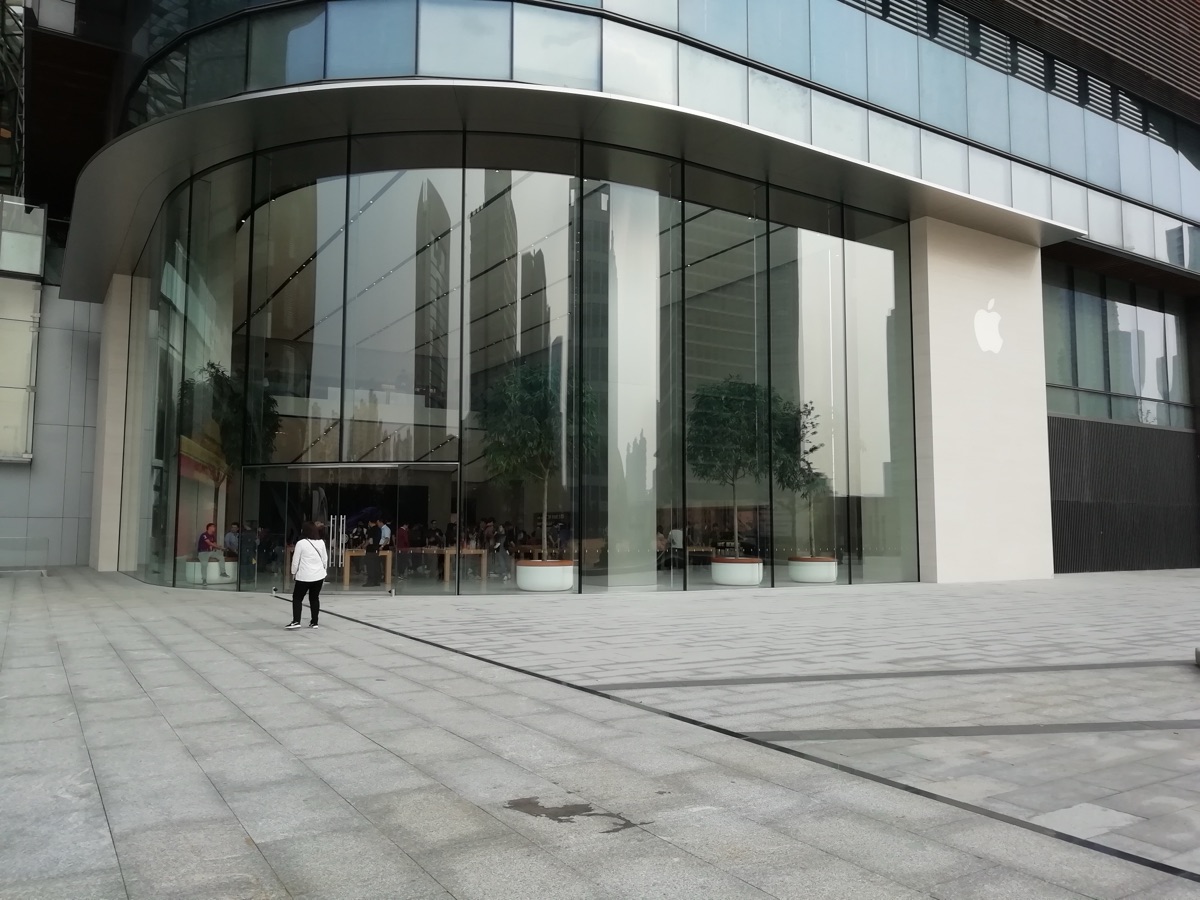
On Wednesday, July 15, 2026, the Cyberspace Administration of China published a notice approving Apple Intelligence for iPhone - ending a wait that has run since Apple's AI platform debuted in 2024. The China build runs on Alibaba's Qwen for text and image understanding and generation, with Baidu contributing on a smaller scale, reported to power search features. Apple Intelligence was one of seven smartphone AI services in the batch and one of only two non-Chinese ones. No launch date has been announced, though clearance usually precedes a rollout by a few months. The approval lands on momentum: Apple's Greater China revenue hit $20.5 billion last quarter, up 28% - its best there in nearly four years. Inside: what was approved, how the China build differs, why it took two years, and what is still unconfirmed.
Read more →
Jul 16, 2026, 12:19 AM ETTech
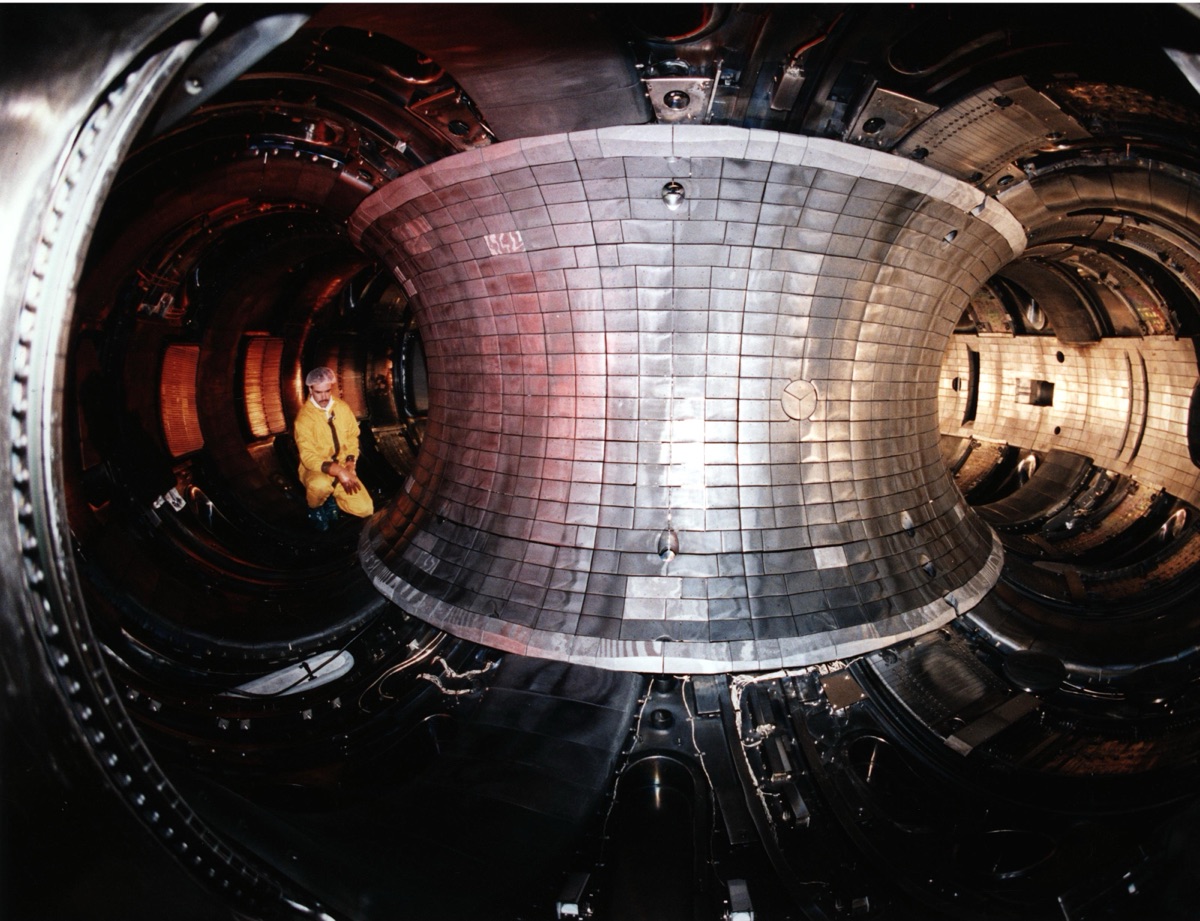
For the first time, scientists have used a quantum computer to simulate the chemistry of a fusion reactor's fuel. A team from Oak Ridge National Laboratory, Cleveland Clinic and IBM (announced July 6, 2026; preprint on arXiv) modeled FLiBe - the fluorine-lithium-beryllium molten salt that future fusion plants plan to use to breed their own tritium - computing nine molecular configurations on IBM quantum hardware and matching the exact classical benchmark to within about 0.3-0.7 kcal/mol, better than chemical accuracy. The work targets one of fusion's last great obstacles: whether tritium bred inside the salt stays locked up as corrosive tritium fluoride or comes out as an extractable gas. Part of the U.S. Department of Energy's Genesis Mission, it is the first-known computation of a fusion material on a quantum computer - and another sign that quantum computing is maturing into a real scientific instrument.
Read more →
Jul 15, 2026, 1:20 PM ETTech
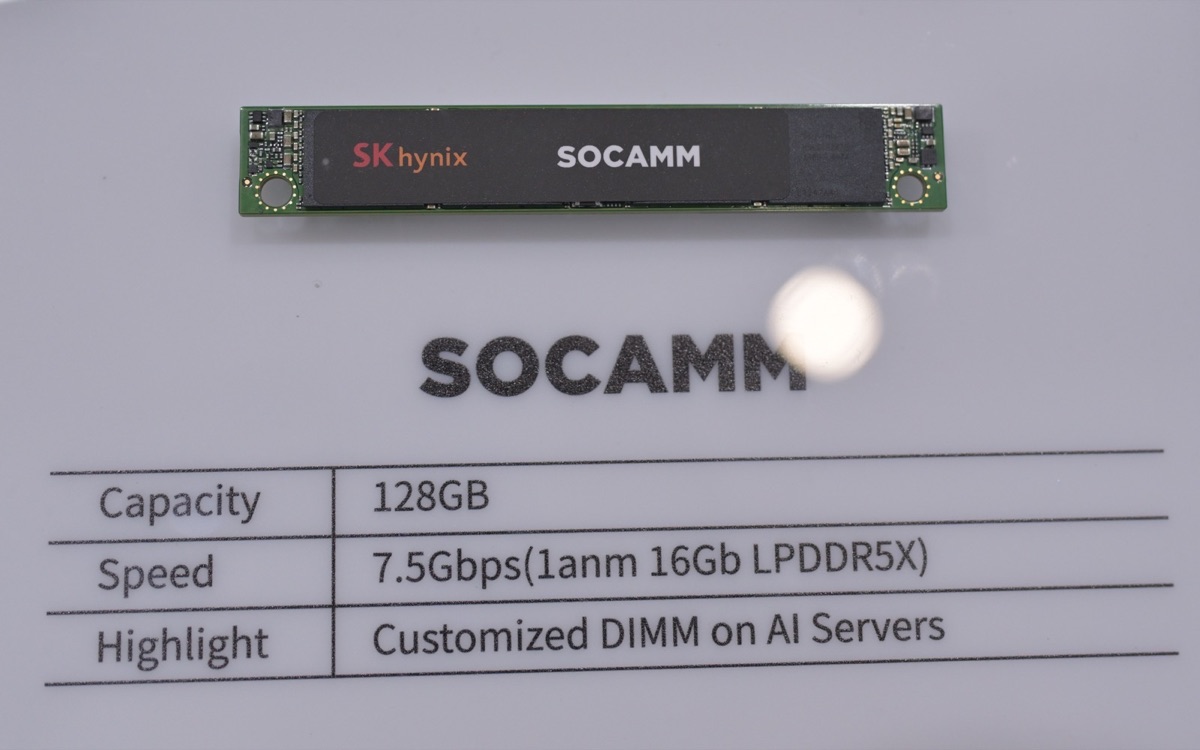
SK Hynix, the world's leading maker of the high-bandwidth memory (HBM) that powers AI chips, listed American Depositary Receipts on the Nasdaq on Friday, July 10, 2026 (ticker SKHY), selling 177.9 million ADRs at $149 to raise roughly $26.5 billion. That is the largest ADR offering in history - edging past Alibaba's $25 billion 2014 record - and the biggest U.S. share sale ever by a foreign company; among 2026's mega-listings it trails only SpaceX's June IPO. The order book was about 7x oversubscribed, the stock opened at $170 and closed up 13% at $168.01, and the company's chairman told CNBC that “demand is enormous.” Unlike many AI-era debuts, SK Hynix arrives profitable and dominant: it holds ~56% of the HBM market and is a key supplier to Nvidia, with its Seoul-listed shares up about 634% over the past year. The proceeds go to new Korean fabs and EUV machines to make even more AI memory. Full breakdown: the numbers, what an ADR is, how HBM feeds AI, and where the money goes.
Read more →
Jul 15, 2026, 9:16 AM ETTech
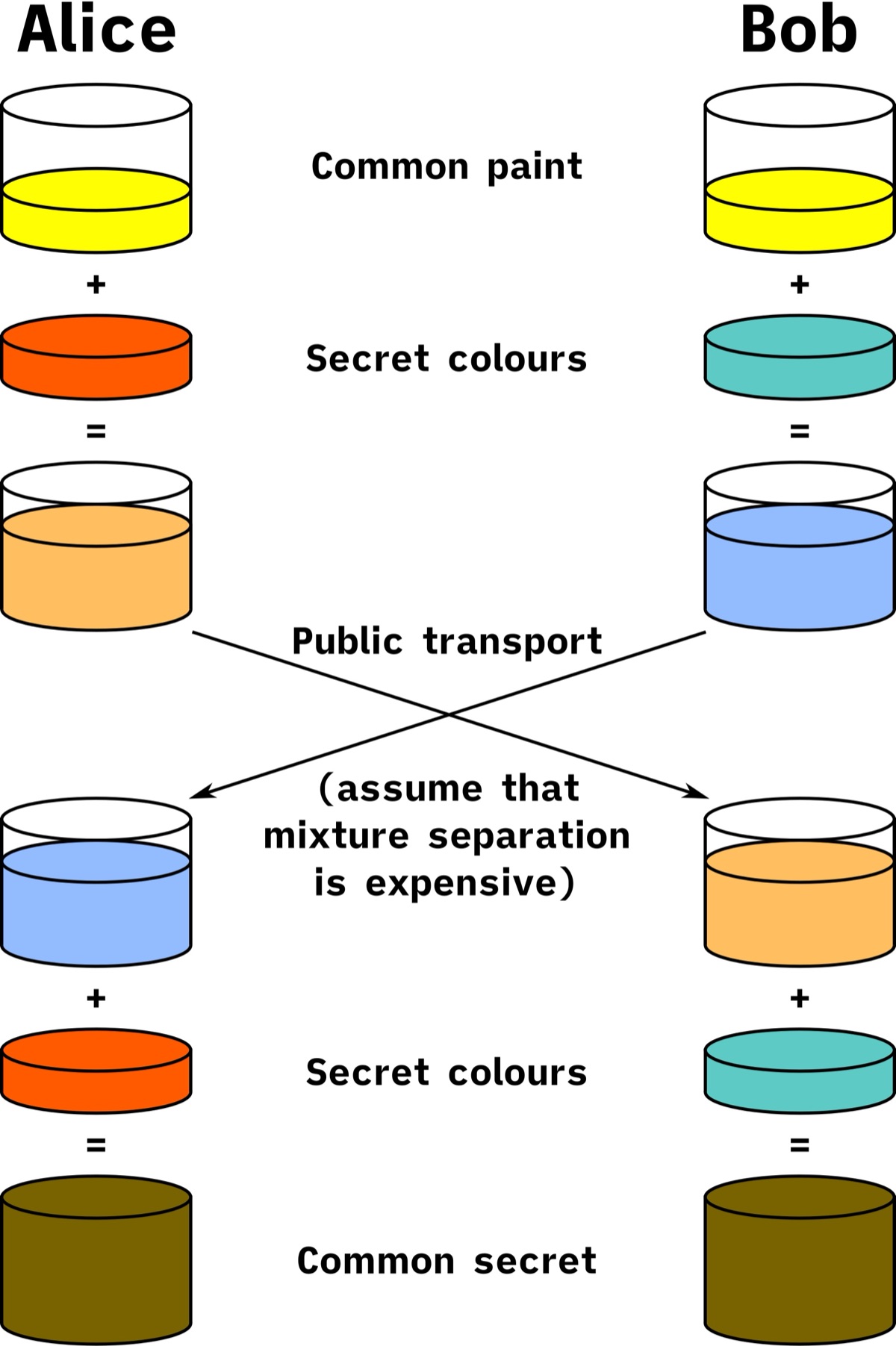
In November 1976, two Stanford researchers - Whitfield Diffie and Martin Hellman - published a paper in the IEEE Transactions on Information Theory with a famous opening line: 'We stand today on the brink of a revolution in cryptography.' They were right. 'New Directions in Cryptography' solved a problem as old as secret writing itself - the key-distribution problem: to talk in code, two people first had to share a secret key, which meant meeting in private or trusting a courier. Diffie and Hellman showed that two strangers who had never met could agree on a shared secret in full public view, with an eavesdropper listening to every word. Their key exchange leans on a piece of one-way math - modular exponentiation, easy to do and brutally hard to undo - and it is beautifully captured by the paint-mixing analogy: mix in a private colour, swap the mixtures openly, mix again, and both sides land on the same secret shade that no listener can reproduce. The paper also introduced the idea of the digital signature. Together those ideas - public keys, a shared secret over an open channel, and unforgeable signatures - became the foundation of nearly all online security: the padlock in your browser, HTTPS, and the trillions of dollars in transactions that cross the internet every day. A third name, Ralph Merkle, belongs on the idea; and in a remarkable twist, a team at Britain's GCHQ had secretly discovered much of it years earlier, only to be declassified in 1997. Diffie and Hellman received the 2015 Turing Award. A tribute to the handshake that lets the whole world keep a secret.
Read more →
Jul 15, 2026, 5:15 AM ETTech
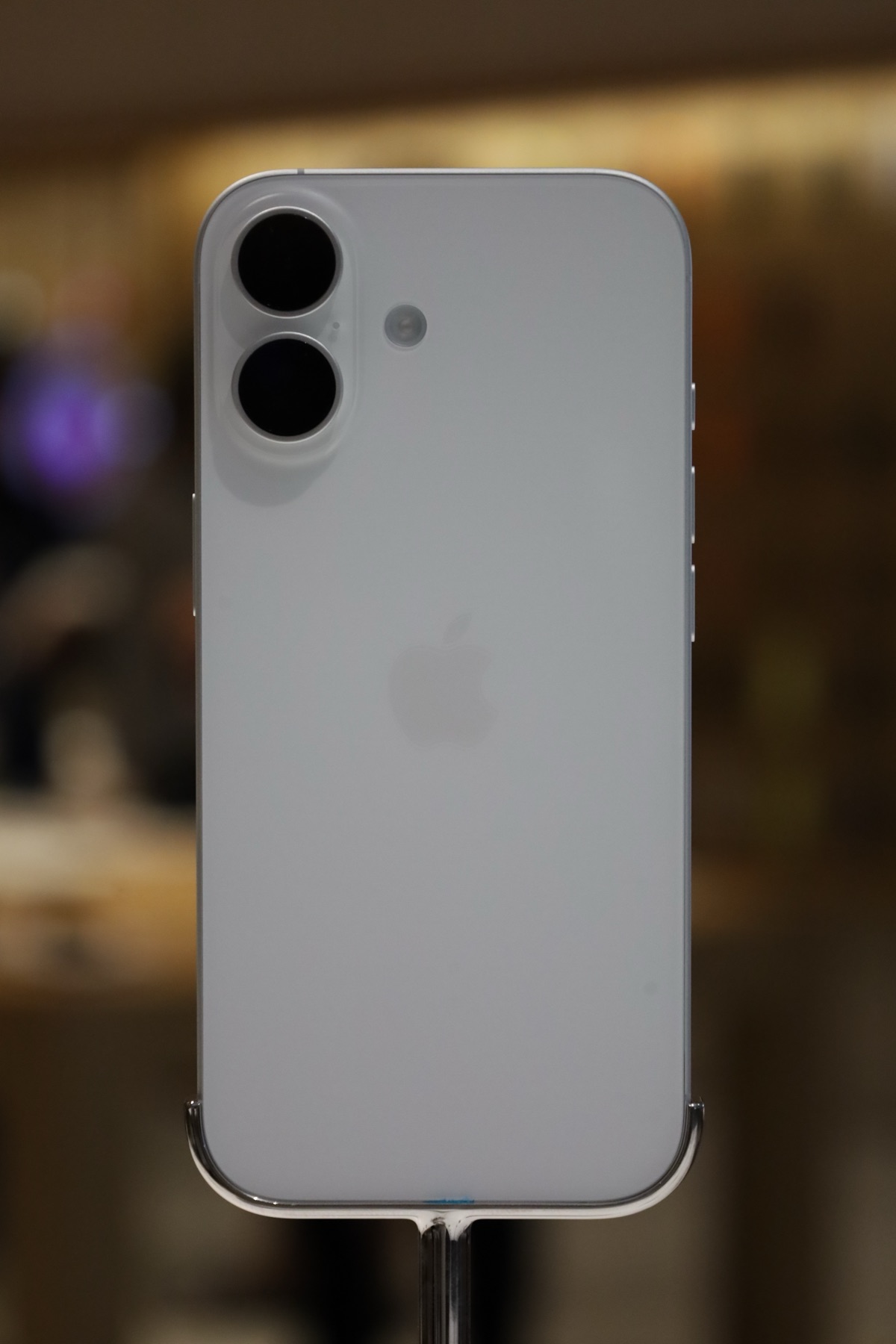
New Counterpoint Research data for the second quarter of 2026 (April-June) puts Apple at a record 20% of global smartphone shipments - its highest share ever for a second quarter. The standout detail: Apple was the only major brand to actually ship MORE phones, with iPhone shipments up about 3% year-over-year, and the only top vendor that chose not to raise prices, even as the overall market contracted 11% to its softest second quarter since 2013 amid a global memory-chip shortage. Samsung led the quarter at 24% on strong Galaxy S26 demand, followed by Apple at 20%, Xiaomi at 12%, OPPO at 11%, and vivo at 8%; Apple had itself topped the ranking in Q1 on iPhone 17 demand. Google's Pixel line (+16%) and Huawei (+6%) also grew. Here is what the numbers show, why Apple's result is a genuine display of brand strength, and what is behind the wider slowdown.
Read more →
Jul 15, 2026, 12:17 AM ETScience

NASA's Perseverance rover has run a marathon on Mars. On June 14, 2026 - the 1,890th Martian day, or sol, of its mission - the SUV-sized rover rolled past 26.2 miles (42.195 kilometers) of total driving across Jezero Crater, the exact distance of a marathon. It covered that ground in five years and four months; NASA's earlier Opportunity rover needed 11 years and two months to travel the same distance. NASA marked the milestone with a striking view from above: one day before the rover crossed the line, the HiRISE camera on the Mars Reconnaissance Orbiter photographed Perseverance from orbit as a tiny bright speck on the rust-colored terrain it has spent half a decade crossing. Along the way the rover has sealed dozens of rock and soil samples for a future return to Earth, helped fly the record-setting Ingenuity helicopter, made the first oxygen ever produced on another planet, and recorded the first sounds of Mars. Here is the milestone - and everything Perseverance has achieved since 2021.
Read more →
Jul 14, 2026, 1:16 PM ETHealth
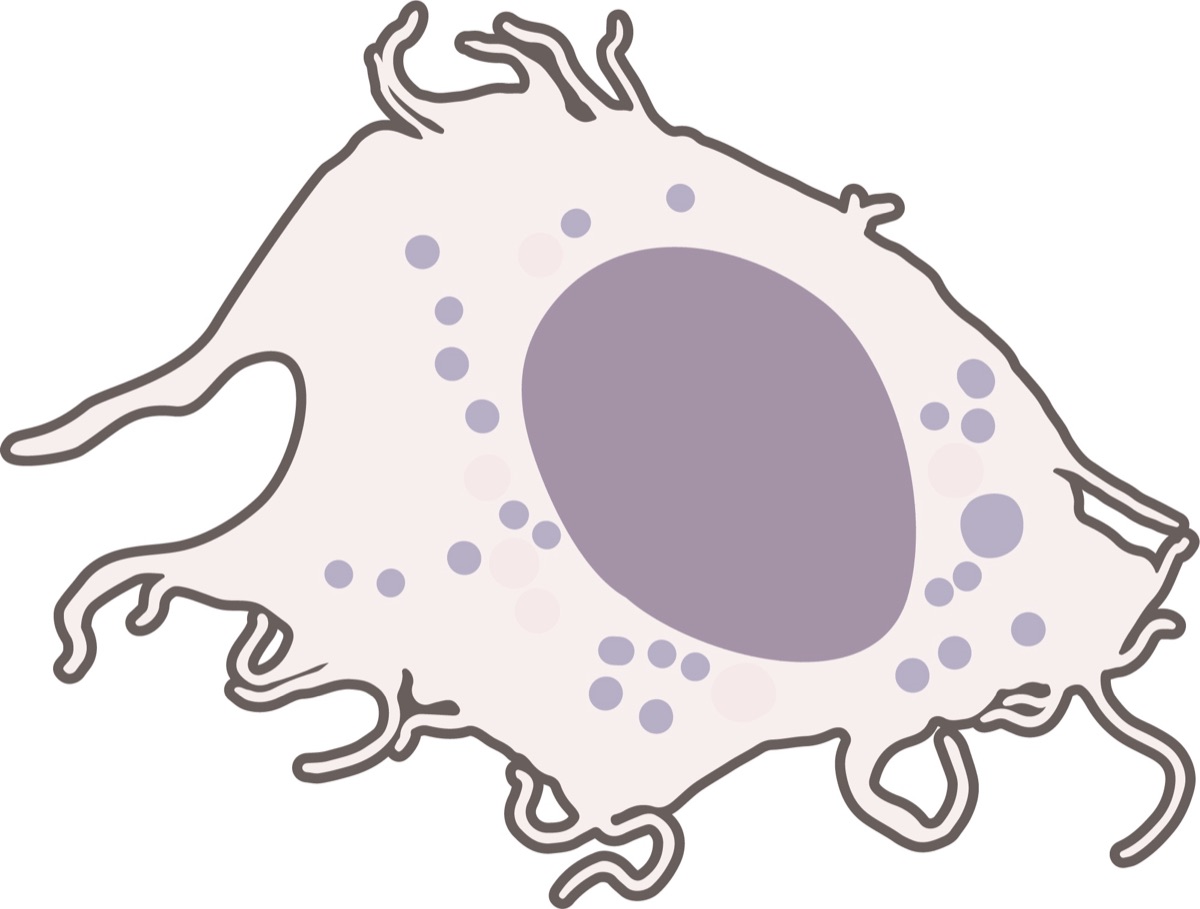
After a knee or ankle injury, the immune system's cleanup crew can get stuck in attack mode - and that lingering inflammation is what slowly wears cartilage down into post-traumatic osteoarthritis, roughly one in eight osteoarthritis cases. A University of Alabama in Huntsville team, publishing in Nature's Scientific Reports, found a gentle, drug-free way to nudge those cells back toward repair: continuous low-intensity ultrasound. Exposing inflammatory 'M1' macrophages to soft, steady sound waves shifted their genetic program away from inflammation and toward a reparative 'M2-like' state that supports healing. To make the test realistic, the researchers modeled a truly injured joint using fibronectin fragments - the debris real cartilage sheds as it breaks down - and read out the cells' gene activity with transcriptomics. The honest caveat: this is a laboratory, cell-level study, with animal trials the next step. But it points toward a future where a simple ultrasound wand might help an injured joint heal itself instead of sliding into arthritis.
Read more →
Jul 14, 2026, 9:20 AM ETScience
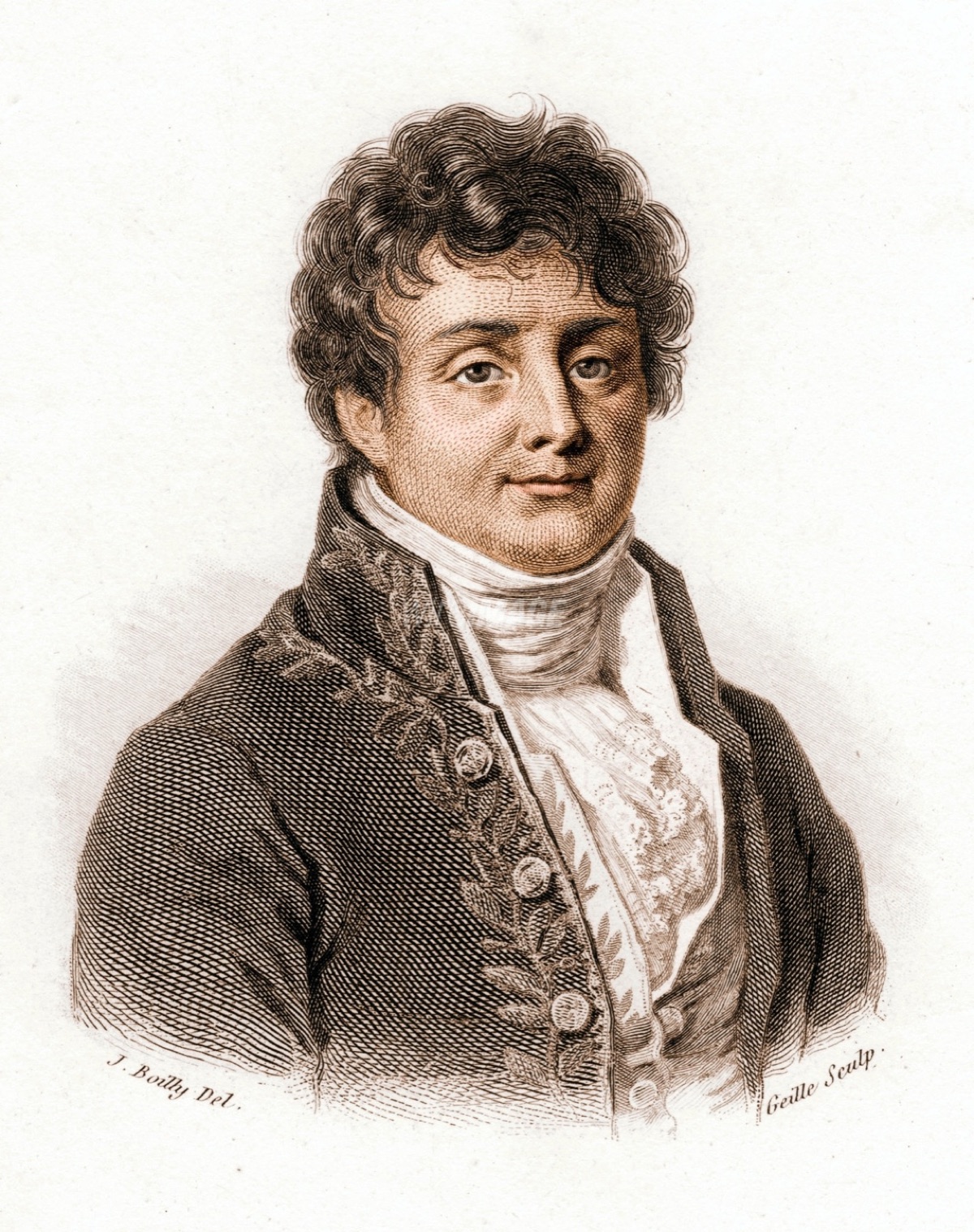
In 1822 the French mathematician Joseph Fourier published a book about how heat flows through a solid body - Theorie analytique de la chaleur, The Analytical Theory of Heat. Buried in its solution was one of the most quietly powerful ideas in the history of science: that almost any signal, however jagged and complicated, can be broken down into a sum of simple, smooth waves - sines and cosines of different frequencies. The claim was so bold that Lagrange, the greatest mathematician of the age, blocked its publication in 1807; Fourier won the Academy's prize in 1811 anyway, was faulted for a lack of rigour, and waited until 1822 to publish the full theory. He turned out to be right - Dirichlet supplied the proof in 1829. Today that single insight, Fourier analysis, is the mathematical engine of the digital age: it powers MP3 audio, JPEG images, Wi-Fi and 5G, MRI scanners, spectroscopy, noise-cancelling headphones and voice assistants, and it even sits at the heart of quantum mechanics and the X-ray images that revealed the structure of DNA. A tribute to the heat study that taught the world how to listen to any signal.
Read more →
Jul 14, 2026, 5:15 AM ETScience
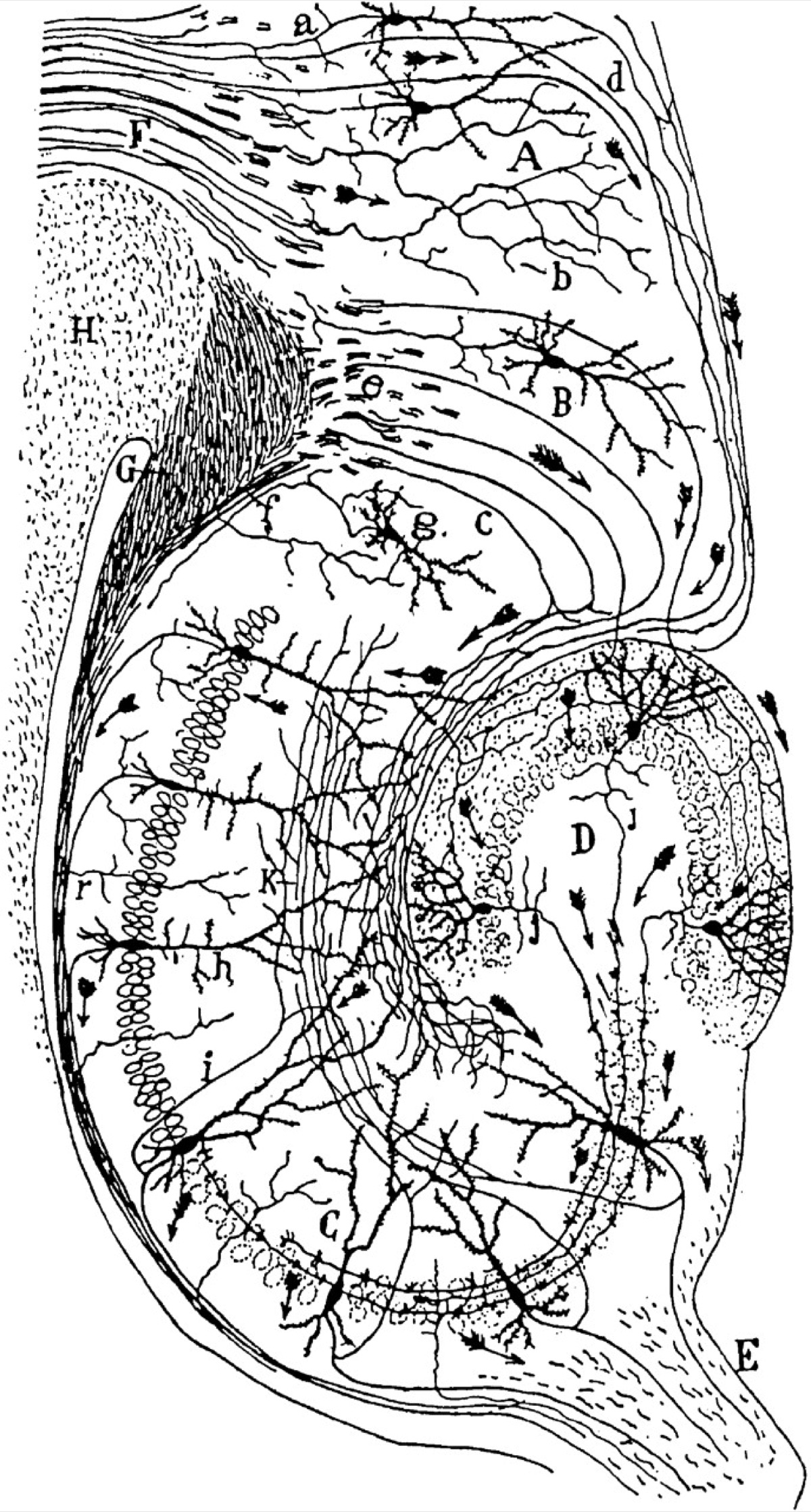
Why do some memories last a lifetime while others vanish by morning? A Flinders University-led team (with Macquarie University and UNSW), publishing in Nature Communications, found a key organizer: tau - the very protein infamous for the tangles of Alzheimer's disease. In its healthy, everyday role, a subtle and tightly controlled chemical tweak to tau (phosphorylation at a single site, T205) acts like a stage manager during learning: it quiets background brain 'noise' and selects exactly which neurons - the sparse 'engram' cells - get to store an experience, converting fleeting moments into durable long-term memories. In mice engineered without tau, animals still learned normally and recalled things minutes later, but their remote (long-term) memories were weaker - and, strikingly, those memories were not erased: they could be switched back on by directly stimulating the exact cells that had stored them. The hopeful twist for medicine: rather than blanket-blocking tau, future Alzheimer's drugs should spare its healthy job and target only the abnormal form. Inside: how memory is physically written, the engram experiments, and what it means for smarter dementia therapies.
Read more →
Jul 14, 2026, 12:17 AM ETScience
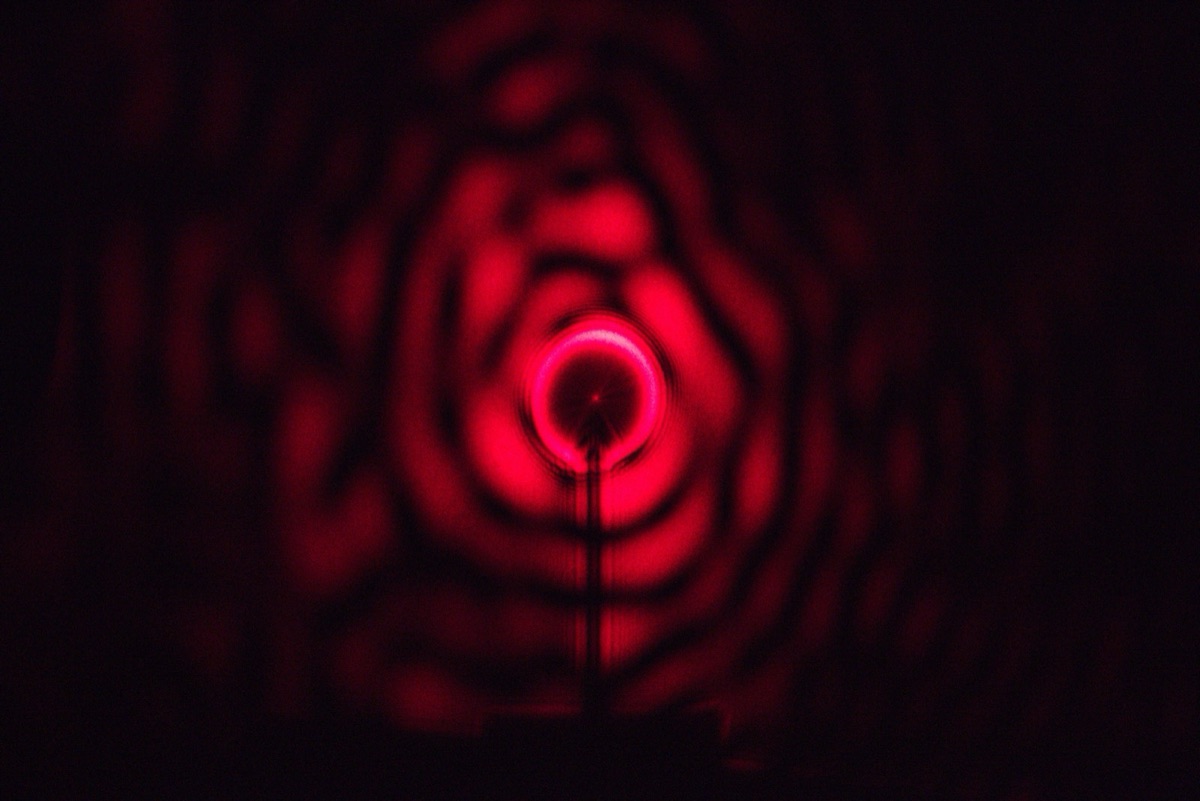
In 1818, the mathematician Siméon Poisson tried to kill the idea that light is a wave. Using a rival’s own equations, he derived what he thought was an absurdity — a bright spot at the very center of a circular object’s shadow — and argued the prediction was too ridiculous to be real. François Arago ran the experiment, and the spot was there. Instead of destroying the wave theory, the ‘Poisson spot’ proved it. Now, more than two centuries later, scientists at Nanyang Technological University (NTU Singapore) have shown that this same humble spot is a remarkably simple, cost-free way to create optical skyrmions — tiny, swirling, topologically stable knots of light that are one of the hottest topics in modern optics. A single Poisson spot, made by just shining a laser at a small disc, was found to contain four different kinds of skyrmion at once — no expensive metamaterials required. Because skyrmions are exceptionally robust carriers of information, the finding points toward future high-density data storage, optical communications and light-based computing. Paper: ‘Optical skyrmions in Poisson spots,’ Optica, June 18, 2026. Inside: the history, what a skyrmion actually is, the four types found, and why researchers are excited.
Read more →

 العربية
 Español
 中文
中文 Deutsch
 Français
 Português